25th February 2026 Current Affairs
INDEX
ISRO Constitutes High-Level Expert Committee to Probe Repeated PSLV Failures......................... 3
MCQs............................................................................................................................................................... 6
Mains Questions............................................................................................................................................. 8
Four Years of Russia-Ukraine War (24 Feb 2022 – 24 Feb 2026): Severe Casualties and Economic Strain Mark the Anniversary...................................................................................................... 9
Mains Questions........................................................................................................................................... 15
National HPV Vaccination Programme: Union Health Ministry to Roll Out HPV Vaccine for Girls Aged 9–14...................................................................................................................................................... 15
Prelims – Multiple Choice Questions (MCQs)......................................................................................... 19
Mains Questions (GS-2, GS-3 & Essay-type)......................................................................................... 21
Union Cabinet Approves Proposal to Rename ‘Kerala’ as ‘Keralam’................................................. 22
MCQs............................................................................................................................................................. 25
Mains Questions........................................................................................................................................... 27
Supreme Court Stresses Community Engagement to Resolve Human-Wildlife Conflict................. 27
MCQs............................................................................................................................................................. 31
Mains Questions........................................................................................................................................... 32
UN Launches Road Safety Capacity-Building Project in Four Indian States.................................... 33
MCQs............................................................................................................................................................. 36
Mains Questions........................................................................................................................................... 38
Supreme Court Closes Suo Motu Case on Polluted Rivers After 5 Years – Directs NGT to Continue Monitoring..................................................................................................................................... 38
MCQs............................................................................................................................................................. 41
Mains Questions........................................................................................................................................... 43
PM Modi’s Israel Visit (February/March 2026) Faces Geopolitical Headwinds................................. 43
MCQs............................................................................................................................................................. 46
Mains Questions........................................................................................................................................... 48
HIV Capsid Confirmed as Promising Drug Target Despite Resistance: New Study on Lenacapavir........................................................................................................................................................................ 48
MCQs............................................................................................................................................................. 51
Mains Questions........................................................................................................................................... 53
The Evolving Nature of Trade Agreements under Trump 2.0: Emergence of “Agreements on Reciprocal Trade (ART)”............................................................................................................................. 53
MCQs............................................................................................................................................................. 56
Mains Questions........................................................................................................................................... 58
Does the Digital Personal Data Protection (DPDP) Act, 2023 Dilute the Right to Information (RTI) Act, 2005?..................................................................................................................................................... 59
MCQs............................................................................................................................................................. 62
Mains Questions........................................................................................................................................... 63
OpenAI & Anthropic Accuse Chinese AI Firms of Large-Scale Data Theft & Model Distillation.. 64
MCQs............................................................................................................................................................. 67
Mains Questions........................................................................................................................................... 68
Middle East Oil Exports Drive VLCC Tanker Costs to Six-Year High Amid US-Iran War Risks.. 69
MCQs............................................................................................................................................................. 71
Mains Questions........................................................................................................................................... 73
Donald Trump’s New 15% Tariffs under Section 122 of Trade Act 1974: Shift to Balance-of-Payments Justification................................................................................................................................. 73
MCQs ............................................................................................................................................................. 76
Mains Questions ............................................................................................................................................................ 78
CLICK HERE to download the PDF
1. Why in News?
- On 24 February 2026, ISRO announced the formation of a high-level external expert committee to investigate systemic and organisational issues behind the successive failures of its workhorse rocket, the Polar Satellite Launch Vehicle (PSLV).
- The committee, chaired by former Principal Scientific Adviser Prof. K. VijayRaghavan and including former ISRO Chairman S. Somanath, will look beyond technical causes into manufacturing, procurement, assembly processes, quality control, organisational culture, and possible systemic lapses.
- Trigger: Two back-to-back third-stage ignition failures in 2025:
- PSLV-C61 (18 May 2025) – EOS-09 mission failure.
- PSLV-C62 (12 January 2026) – 16-satellite mission (including earth-observation and rideshare payloads) failure.
- Union Minister Jitendra Singh confirmed in Parliament (February 2026) that a third-party appraisal (with inputs from external experts) is underway, and the committee’s report is expected in April 2026.
- The move comes amid growing concerns over PSLV’s reliability — once considered one of the world’s most dependable launch vehicles (54 consecutive successful launches from 2017–2024).
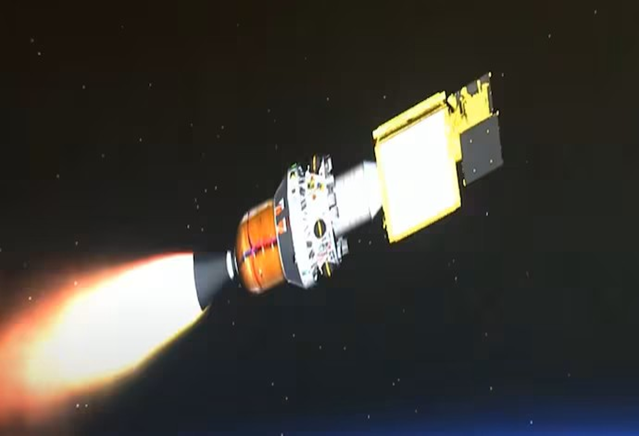
PSLV-C62 lift-off (12 January 2026) — third stage failed to ignite, rocket plunged into sea (ISRO/PTI file image)
2. Key Facts of the Recent Failures
- PSLV-C61 (18 May 2025):
- Mission: EOS-09 earth-observation satellite.
- Anomaly: Third-stage (solid motor) failed to ignite → rocket lost thrust → mission aborted.
- Cause (initial): Suspected nozzle throat erosion / propellant grain defect.
- PSLV-C62 (12 January 2026):
- Mission: 16 satellites (primary + rideshare).
- Anomaly: Third stage failed to ignite after second-stage separation → vehicle trajectory deviated → plunged into Bay of Bengal.
- Similar pattern: Ignition failure in the same solid-motor stage (PS3).
- Commonality: Both failures occurred in the third stage (PS3 – solid propellant motor) — historically very reliable in PSLV.
3. Composition & Mandate of the Committee
- Chairman: Prof. K. VijayRaghavan (former PSA to GoI).
- Members:
- Dr. S. Somanath (former ISRO Chairman).
- External experts from academia & industry.
- ISRO internal specialists (but majority external for objectivity).
- Scope (beyond usual Failure Analysis Committee):
- Systemic issues in manufacturing, procurement, assembly.
- Organisational culture, quality assurance processes.
- Possible “human factors” or “process drift” in repeated production.
- Implications for other ISRO vehicles & private-sector involvement.
- Timeline: Report expected by April 2026 → before next major PSLV missions.
4. Historical Context: PSLV’s Track Record
- PSLV: India’s most successful launch vehicle.
- First launch: 1993 (failure).
- 60+ launches till 2024 → ~54 consecutive successes (2017–2024) — global benchmark.
- Variants: PSLV-XL, PSLV-CA, PSLV-DL, PSLV-QL.
- Key missions: Chandrayaan-1, Mangalyaan, NavIC, Aditya-L1, multiple commercial & international customer satellites.
- Recent string of failures (2025–26) → first major reliability concern in over a decade.
5. Implications & Challenges Highlighted
- Strategic: PSLV is backbone for SSO (Sun-Synchronous Orbit) missions → critical for earth observation, disaster management, agriculture, defence.
- Commercial: NewSpace India Ltd (NSIL) & private players (Skyroot, Agnikul) depend on PSLV reliability for credibility.
- Organisational: Questions on:
- Over-reliance on legacy processes.
- Impact of rapid scaling & private-sector integration.
- Possible dilution of quality control amid high launch cadence.
- Public & Parliamentary Scrutiny: Demand for transparency on failure reports (unlike earlier practice of limited disclosure).
6. Government & ISRO Response
- ISRO Chairman V. Narayanan (Feb 2026): “We treat every anomaly with utmost seriousness… lessons will strengthen future missions.”
- Union Minister Jitendra Singh: “Third-party appraisal ongoing… ISRO’s credibility remains intact.”
- Corrective actions already initiated:
- Detailed review of PS3 solid motor production chain.
- Enhanced non-destructive testing & quality gates.
|
For UPSC CSE & State PSC |
|
Prelims |
|
|
|
|
|
GS-3 (Science & Technology) |
|
|
|
|
GS-3 (Disaster Management & Security) |
|
|
Essay / Interview |
|
|
Que 1. With reference to the recent failures of ISRO’s PSLV rocket, consider the following statements:
- Both PSLV-C61 (May 2025) and PSLV-C62 (Jan 2026) failed due to anomalies in the third stage (PS3 – solid motor).
- The failures represent the first major reliability concern for PSLV in over a decade.
- The committee formed in February 2026 is chaired by current ISRO Chairman V. Narayanan.
Which of the statements given above is/are correct?
(a) 1 and 2 only
(b) 2 and 3 only
(c) 1 and 3 only
(d) 1, 2 and 3
Answer: (a) 1 and 2 only
Que 2. The high-level expert committee constituted by ISRO in February 2026 to probe systemic issues behind PSLV failures is chaired by: (a) V. Narayanan (b) S. Somanath (c) K. VijayRaghavan (d) Ajit Doval
Answer: (c)
Que 3. Which of the following missions was affected by the PSLV-C61 failure in May 2025? (a) Aditya-L1 (b) EOS-09 earth-observation satellite (c) Chandrayaan-3 follow-on payload (d) GSAT series communication satellite
Answer: (b)
Que 4. Consider the following statements regarding the PSLV rocket:
- It is India’s most successful launch vehicle with over 54 consecutive successful launches between 2017 and 2024.
- The third stage (PS3) is a solid propellant motor.
- The recent failures are the first in the history of the PSLV programme.
Which of the statements given above is/are correct?
(a) 1 and 2 only
(b) 2 and 3 only
(c) 1 and 3 only
(d) 1, 2 and 3
Answer: (a) 1 and 2 only
Que 5. The committee formed to investigate PSLV failures has been mandated to look into which of the following issues?
- Manufacturing, procurement and assembly processes
- Organisational culture and quality assurance
- Possible human factors and process drift
- Implications for private-sector participation in ISRO missions
Select the correct answer using the code given below:
(a) 1 and 2 only
(b) 1, 2 and 3 only
(c) 1, 3 and 4 only
(d) 1, 2, 3 and 4
Answer: (d)
Que 1. “The constitution of a high-level external expert committee in February 2026 to probe systemic issues behind PSLV-C61 and PSLV-C62 failures reflects ISRO’s commitment to transparency and continuous improvement.” Discuss the technical and organisational dimensions of the recent PSLV setbacks and suggest measures to restore the vehicle’s legendary reliability. (15 marks / 250 words) (GS-3 – Science & Technology)
Que 2. The repeated third-stage failures of PSLV in 2025–26 have raised serious questions about systemic reliability in ISRO’s launch vehicle programme. Examine the implications of these failures for India’s space ambitions and suggest a roadmap to strengthen institutional resilience. (10 marks / 150 words) (GS-3 – Science & Technology)
Que 3. “ISRO’s decision to form an external-majority expert committee to probe PSLV failures marks a shift towards greater institutional accountability.” Do you agree? Substantiate your view. (10 marks / 150 words) (GS-3 – Science & Technology + Governance)
Que 4. Essay (250 marks / 1000–1200 words) “From reliability to resilience: Lessons from PSLV’s recent setbacks for India’s space programme in the era of private-sector participation.”
Que 5. “Public sector excellence in space technology must evolve to accommodate private-sector agility without compromising reliability.” In the light of recent PSLV failures, critically examine this statement. (15 marks / 250 words) (GS-3 – Science & Technology + Economy)
Why in News?
- On 24 February 2026, the world marked the fourth anniversary of Russia’s full-scale invasion of Ukraine.
- Independent estimates and official statements released on the occasion paint a grim picture: over 15,000 Ukrainian civilians killed, ~1,77,000 Russian troops dead, ~5.9 million Ukrainians displaced/refugees, and both economies severely battered.
- Ukraine’s reconstruction cost is estimated at $588 billion over the next decade.
- The anniversary comes amid renewed diplomatic efforts by US President Donald Trump to broker a deal, while Russia continues its offensive in eastern Donetsk and Ukraine remains under martial law with suspended elections.
Key Statistics (4 Years of War)
|
Parameter |
Figure (as of Feb 2026) |
|
Civilian deaths (Ukraine) |
>15,000 |
|
Russian military deaths |
~1,77,000 (independent estimates) |
|
Ukrainian soldiers killed |
~55,000 (Zelenskyy statement) |
|
Ukrainian refugees/displaced |
~5.9 million left the country |
|
Reconstruction cost (Ukraine) |
~$588 billion (next 10 years) |
|
Russian military spending |
~9% of GDP |
|
US aid to Ukraine |
$115 billion |
|
EU aid to Ukraine |
€201 billion |
- Infrastructure damage: Entire cities (Bakhmut, Toretsk, Vovchansk) reduced to rubble; over 2,800 attacks on healthcare facilities; widespread mines and unexploded ordnance.
- Economic impact: Ukraine’s economy decimated; Russia under massive strain due to sanctions and war spending.
Current Military & Political Situation (Feb 2026)
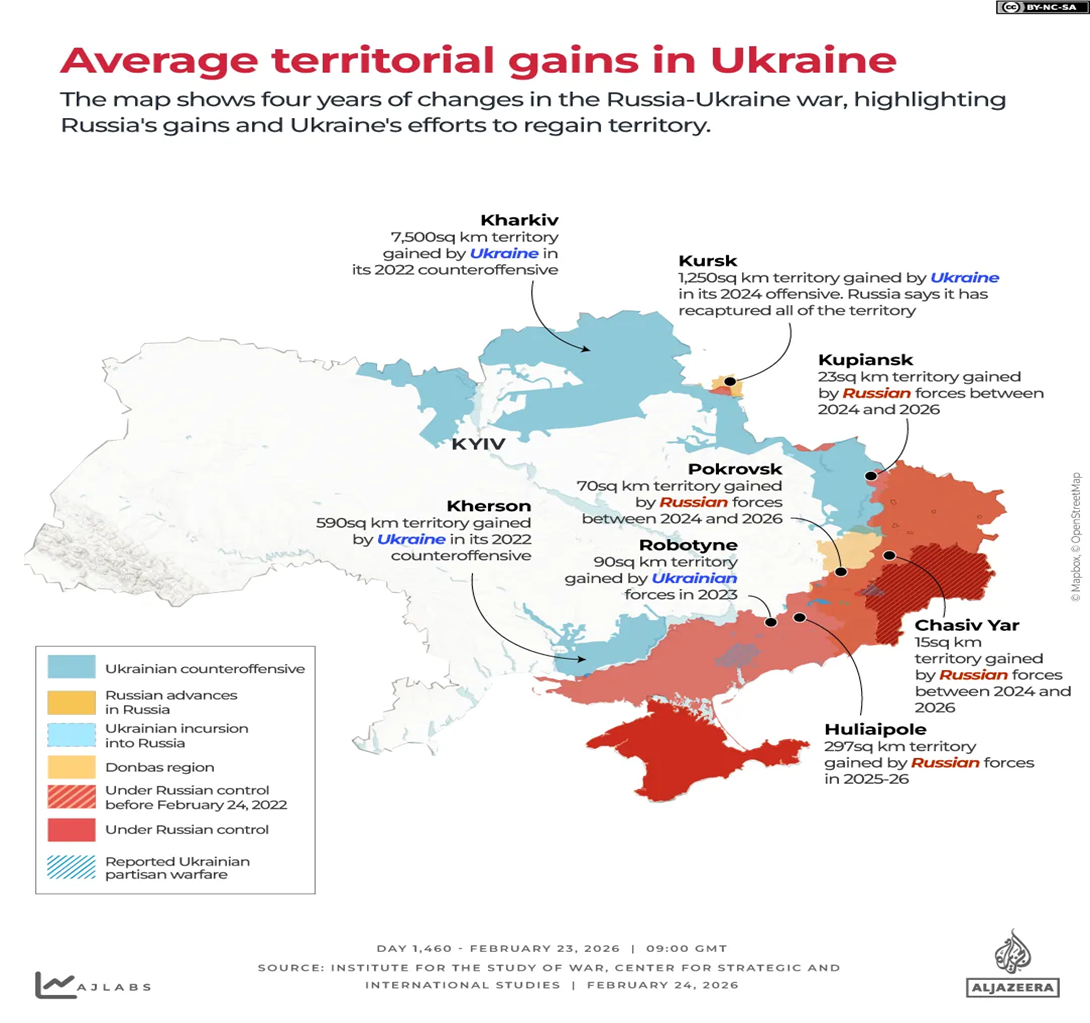
- Russia controls ~19.5% of Ukraine (including Crimea and parts of four eastern regions).
- Russia pushing for full control of Donetsk region; intense fighting continues.
- Ukraine under martial law; elections suspended.
- Trump’s diplomatic push: Several rounds of talks (Istanbul, Abu Dhabi, Geneva) ongoing; Trump claims a deal is close.
- Russia has opened over 10,000 criminal cases against critics of the war.
Major Consequences
For Ukraine:
- Massive demographic loss, destroyed infrastructure, energy crisis.
- Heavy dependence on Western aid (US + EU).
For Russia:
- Economy strained but resilient due to war economy, oil revenue rerouting, and shadow fleet.
- High military casualties and international isolation (except China, North Korea, Iran support).
Global Impact:
- Food and energy price shocks (2022–23), now somewhat stabilised.
- Weakening of international norms against territorial aggression.
- NATO expansion (Finland, Sweden joined); renewed European defence spending.
For India:
- Diversified oil imports (Russia became top supplier at one point).
- Strategic autonomy tested — maintained neutral stance, continued trade with Russia while strengthening Quad and ties with West.
- Lesson on energy security and need for diversified supply chains.
|
For UPSC CSE & State PSC |
|
Prelims |
|
|
|
|
GS-2 (International Relations) |
|
|
|
|
GS-3 (Economy & Security) |
|
|
|
Essay / Interview |
|
|
MCQs (Prelims Standard)
Que 1. With reference to the Russia-Ukraine war, consider the following statements:
- The full-scale invasion began on 24 February 2022.
- Independent estimates put Russian military deaths at around 1,77,000 as of February 2026.
- Ukraine has held regular presidential elections throughout the war.
Which of the statements given above is/are correct?
(a) 1 and 2 only
(b) 2 and 3 only
(c) 1 and 3 only
(d) 1, 2 and 3
Answer: (a)
Que 2. Which of the following is the single largest donor of military and financial aid to Ukraine since 2022?
(a) European Union
(b) United States
(c) United Kingdom
(d) NATO collectively
Answer: (b) (US ~$115 billion; EU ~€201 billion combined)
Que 3. The term “shadow fleet” in the context of the Russia-Ukraine war refers to:
(a) Russia’s new naval vessels
(b) Older tankers used to transport sanctioned Russian oil
(c) Ukrainian drone fleet
(d) NATO’s maritime patrol ships
Answer: (b)
Que 4. As of February 2026, what percentage of Ukrainian territory is approximately under Russian control?
(a) Less than 5%
(b) Around 19–20%
(c) Around 40%
(d) Over 50%
Answer: (b)
Que 1. “Four years of the Russia-Ukraine war have fundamentally altered the post-Cold War international order.” Examine the geopolitical, economic, and humanitarian consequences of the conflict and discuss its implications for India’s foreign policy. (15 marks / 250 words)
Que 2. Critically analyse how the Russia-Ukraine war has exposed the limitations of the rules-based international order and the effectiveness of Western sanctions. (10 marks / 150 words)
Que 3. “The ongoing Russia-Ukraine conflict presents both challenges and opportunities for India’s energy security and strategic autonomy.” Discuss. (15 marks / 250 words)
Que 4. Essay (250 marks) “The Russia-Ukraine war at four years: A turning point in 21st-century geopolitics.”
1. Why in News?
- On 24 February 2026, the Union Ministry of Health and Family Welfare (MoHFW) officially announced the finalisation of plans to launch India’s first national HPV vaccination programme targeting girls aged 9–14 years to prevent cervical cancer.
- The programme will use the quadrivalent HPV vaccine (Gardasil – protects against HPV types 6, 11, 16, 18) — already approved and widely used internationally.
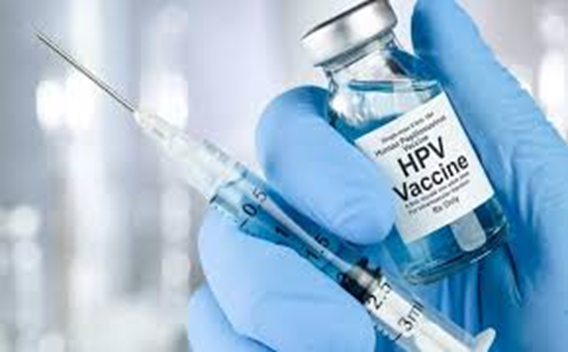
- The vaccine will be administered in a two-dose schedule (0 and 6 months) and offered free of cost through government health facilities, schools, and outreach sessions.
- Announcement follows:
- Successful pilot projects in select districts (2023–2025).
- Cabinet approval in principle (late 2025).
- Recommendation by National Technical Advisory Group on Immunisation (NTAGI) and Standing Technical Sub-Committee.
- Cervical cancer remains India’s second most common cancer among women (~123,000 new cases, ~77,000 deaths annually – 2022 GLOBOCAN data), with ~90% linked to persistent high-risk HPV infection.
Key Features of the Programme
- Target Group: Girls aged 9–14 years (school-going & out-of-school).
- Vaccine: Gardasil (quadrivalent) → covers HPV types 6, 11 (genital warts), 16 & 18 (responsible for ~70% cervical cancers globally).
- Schedule: 2 doses (0 & 6 months) – no booster currently recommended.
- Delivery Mode:
- School-based sessions (government & private schools).
- Community outreach for out-of-school girls.
- Health facilities (PHCs, CHCs, urban health centres).
- Cost: Free of cost – funded under National Health Mission (NHM) & Universal Immunisation Programme (UIP).
- Consent: Voluntary; parental/guardian consent required.
- Cold Chain & Logistics: Strengthened through existing UIP infrastructure.
Rationale & Burden of Cervical Cancer in India
- Epidemiology:
- ~123,907 new cases & ~77,348 deaths in 2022 (GLOBOCAN).
- Second most common cancer in Indian women (after breast cancer).
- ~90% cases linked to persistent infection with high-risk HPV (mainly 16 & 18).
- Risk Factors: Early sexual debut, multiple partners, tobacco use, low socio-economic status, poor screening access.
- Current Screening Gap: Only ~1–3% women screened regularly → late detection common.
- Vaccine Efficacy: >90–100% protection against vaccine-type HPV infections & precancerous lesions when given before sexual debut.
Global & National Context
- Global: WHO’s 90-70-90 cervical cancer elimination targets by 2030 (90% girls vaccinated by age 15, 70% screened by 35 & 45, 90% treated).
- India’s Position: Among 50+ countries with national HPV programmes; India lagged due to cost, logistics & vaccine hesitancy concerns.
- Earlier Efforts:
- 2009–2010 pilots in Andhra Pradesh & Gujarat (controversial due to adverse events & ethical issues → halted).
- 2022–2025 renewed pilots (Punjab, Delhi, Maharashtra, Karnataka, etc.) → high acceptance (>80–90%).
- Serum Institute of India developing indigenous HPV vaccine (Cervavac – bivalent & quadrivalent versions) → expected licensure soon.
Challenges & Mitigation Measures
- Vaccine Hesitancy: Misinformation linking HPV vaccine to infertility, promiscuity → countered through community engagement & IEC campaigns.
- Logistics: Two-dose schedule, adolescent tracking → school-based delivery + AEFI surveillance strengthened.
- Equity: Reach out-of-school girls, rural & marginalised communities → ANM/ASHA involvement.
- Sustainability: High upfront cost (~₹2,000–4,000 per girl) → central funding + future indigenous production to reduce price.
Significance for India
- Public Health Milestone: First adolescent-focused national immunisation addition since 2010s.
- Women’s Health: Potential to reduce cervical cancer incidence by 50–70% in vaccinated cohorts over 20–30 years.
- Demographic Dividend: Protects future mothers, reduces economic burden of cancer treatment.
- Global Commitment: Aligns with WHO elimination roadmap & SDG-3 (health for all).
|
For UPSC CSE & State PSC |
|
Prelims |
|
|
|
|
|
GS-2 (Health & Governance) |
|
|
|
|
GS-1 (Society) |
|
|
|
GS-3 (Science & Technology) |
|
|
|
Essay / Interview |
|
|
Que 1. With reference to India’s first National Counter-Terrorism Policy “PRAHAAR” released in February 2026, which of the following is/are correct?
- It explicitly states that terrorism is not linked to any religion, ethnicity, nationality or civilisation.
- The acronym PRAHAAR stands for Prevention, Response, Aggregation, Human rights, Attenuation, Alignment, Recovery.
- It proposes zero tolerance only for non-state actors and not for state-sponsored terrorism.
Select the correct answer using the code given below:
(a) 1 and 2 only
(b) 2 and 3 only
(c) 1 and 3 only
(d) 1, 2 and 3
Answer: (a) 1 and 2 only
Que 2. The recent failures of PSLV-C61 (May 2025) and PSLV-C62 (January 2026) were caused by anomalies in which stage of the vehicle?
(a) First stage (PS1 – solid)
(b) Second stage (PS2 – liquid Vikas engine)
(c) Third stage (PS3 – solid motor)
(d) Fourth stage (PS4 – liquid)
Answer: (c)
Que 3. With reference to the proposed national HPV vaccination programme announced in February 2026, consider the following statements:
- The target age group is girls aged 9–14 years.
- The vaccine to be used is the quadrivalent Gardasil covering HPV types 6, 11, 16 and 18.
- It will be administered in a single-dose schedule to maximise coverage.
Which of the statements given above is/are correct?
(a) 1 and 2 only
(b) 2 and 3 only
(c) 1 and 3 only
(d) 1, 2 and 3
Answer: (a) 1 and 2 only
Que 4. In the context of the US Supreme Court ruling of 23 February 2026, which of the following statements is correct regarding President Trump’s tariffs?
(a) The Court upheld the use of IEEPA for imposing broad trade tariffs
(b) The ruling invalidated tariffs imposed under IEEPA as they exceeded emergency powers
(c) The decision led to an immediate increase in US 10-year Treasury yields
(d) India was completely exempted from all tariff actions prior to the ruling
Answer: (b)
Que 5. The high-level expert committee constituted in February 2026 to probe repeated PSLV failures is chaired by:
(a) V. Narayanan
(b) S. Somanath
(c) K. VijayRaghavan
(d) Ajit Doval
Answer: (c)
Que 6. Which of the following best describes the core philosophy of India’s PRAHAAR counter-terrorism policy?
(a) Reactive policing and post-attack response only
(b) Intelligence-led prevention, whole-of-government coordination, and human rights compliance
(c) Exclusive focus on kinetic military operations against terrorist groups
(d) Complete reliance on international cooperation without domestic measures
Answer: (b)
Que 1. “India’s first comprehensive National Counter-Terrorism Policy ‘PRAHAAR’ represents a doctrinal shift from reactive policing to proactive, intelligence-led prevention.” Critically examine the key pillars, challenges, and significance of this policy in addressing multi-dimensional terrorist threats. (15 marks / 250 words) (GS-3 – Internal Security)
Que 2. The repeated third-stage failures of PSLV-C61 and PSLV-C62 in 2025–26 have raised serious questions about systemic issues in ISRO’s launch vehicle ecosystem. Discuss the implications for India’s space programme and suggest measures to restore PSLV’s legendary reliability. (10 marks / 150 words) (GS-3 – Science & Technology)
Que 3. Cervical cancer remains the second most common cancer among Indian women. In light of the Union Health Ministry’s February 2026 decision to roll out a national HPV vaccination programme for girls aged 9–14, evaluate the public health significance, implementation challenges, and long-term impact of this initiative. (15 marks / 250 words) (GS-2 – Health & Governance)
Que 4. The US Supreme Court’s February 2026 ruling striking down President Trump’s use of IEEPA for broad tariffs has provided temporary relief to Indian exporters but introduced fresh uncertainties in India–US trade relations. Analyse the short-term gains and long-term strategic implications for India’s economic diplomacy and energy security. (15 marks / 250 words) (GS-2 – International Relations + GS-3 – Economy)
Que 5. Essay (250 marks / 1000–1200 words) “From security to health to space — India’s February 2026 policy announcements reflect a maturing state striving for comprehensive national resilience. Discuss.”
Que 6. “While judicial intervention in electoral roll revisions (SIR) has improved transparency, the continued executive dominance in Election Commissioner appointments undermines the independence of the Election Commission.” Do you agree? Substantiate your view. (10 marks / 150 words) (GS-2 – Polity & Governance)
Que 7. “The green ammonia route under the National Green Hydrogen Mission exemplifies India’s pragmatic approach to energy transition and export leadership.” Critically analyse India’s progress and challenges in becoming a global green ammonia hub. (15 marks / 250 words) (GS-3 – Environment & Energy Security)
1. Why in News?
- On 25 February 2026, the Union Cabinet, chaired by Prime Minister Narendra Modi, gave its in-principle approval to the Kerala government’s long-pending proposal to officially change the state’s name from “Kerala” to “Keralam” in the Malayalam language
- The decision paves the way for introduction of the Kerala (Alteration of Name) Bill in Parliament after the President refers the matter to the Kerala Legislative Assembly under Article 3 of the Constitution for its views.

- This follows the unanimous resolution passed by the Kerala Assembly on 24 June 2024, demanding the name change to reflect the state’s historical and linguistic identity.
- The proposal was processed by the Ministry of Home Affairs (under Amit Shah) and circulated to the Department of Legal Affairs and Legislative Department for necessary inputs.
Background & Timeline
- Demand Origin: The demand for “Keralam” has existed since the linguistic reorganisation of states in 1956. Malayalam speakers have always called the state “Keralam” (കേരളം).
- Key Milestones:
- 1 November 1956: Kerala state formed on linguistic basis (Malayalam-speaking areas).
- 1 November: Celebrated as Kerala Piravi Day (Malayalam: “Keralam”).
- June 2024: Kerala Assembly passes unanimous resolution seeking name change.
- February 2025–2026: Detailed consultations in MHA, Law Ministry and PMO.
- 25 February 2026: Union Cabinet nod.
- Similar demands have been made earlier by Tamil Nadu (Madras → Tamil Nadu, 1969), Orissa → Odisha (2011), Bombay → Maharashtra & Gujarat, etc.
Constitutional & Legal Process
- Article 3 of the Constitution: Parliament has the power to alter the name of any state by simple law. However, the bill cannot be introduced without:
- President’s recommendation.
- Referring the bill to the concerned State Legislative Assembly for its views (within a specified period).
- Once Kerala Assembly sends its views (expected to be favourable), the bill will be introduced in either House of Parliament.
- After passage in both Houses and Presidential assent, the new name “Keralam” will be reflected in:
- First Schedule of the Constitution.
- All official documents, maps, statutes, and international references.
Significance of the Move
- Linguistic & Cultural Identity: Corrects the anglicised version “Kerala” to the original Malayalam “Keralam”, fulfilling long-standing cultural aspirations.
- Federalism in Action: Demonstrates Centre-State cooperation on symbolic issues.
- Political Consensus: Unanimous support in Kerala Assembly (both LDF & UDF) and quick Cabinet approval.
- Precedent: Strengthens similar demands from other states (e.g., West Bengal → “Bangla”, Karnataka debates).
- Symbolic Value: Reinforces “Ek Bharat Shreshtha Bharat” by respecting regional linguistic pride while maintaining national unity.
Challenges & Practical Implications
- Minor administrative changes: Updating official seals, stationery, websites, maps, and educational material.
- No change in boundaries, capital (Thiruvananthapuram), or governance structure.
- Cost of transition: Minimal, to be borne by the state government.
|
For UPSC CSE & State PSC |
|
Prelims |
|
|
|
|
GS-2 (Polity & Governance) |
|
|
|
|
GS-1 (History & Culture) |
|
|
GS-2 (IR) |
|
|
Essay / Interview |
|
|
Que 1. With reference to the proposal to rename ‘Kerala’ as ‘Keralam’, consider the following statements:
- The change requires a constitutional amendment under Article 368.
- The bill can be introduced in Parliament only after the President refers it to the Kerala Legislative Assembly under Article 3.
- The name ‘Keralam’ is the original Malayalam name of the state.
Which of the statements given above is/are correct?
(a) 1 and 2 only
(b) 2 and 3 only
(c) 1 and 3 only
(d) 1, 2 and 3
Answer: (b)
Que 2. Under which Article of the Indian Constitution does Parliament have the power to alter the name of a state?
(a) Article 2
(b) Article 3
(c) Article 4
(d) Article 368
Answer: (b)
Que 3. Which of the following states changed its name through an Act of Parliament after independence?
- Orissa to Odisha
- Madras to Tamil Nadu
- Bombay to Maharashtra
Select the correct answer using the code given below:
(a) 1 and 2 only
(b) 2 and 3 only
(c) 1 and 3 only
(d) 1, 2 and 3
Answer: (d)
Que 4. The resolution seeking the name change from Kerala to Keralam was passed by the Kerala Assembly in:
(a) June 2023
(b) June 2024
(c) February 2025
(d) February 2026
Answer: (b)
Que 1. “The proposal to rename Kerala as Keralam reflects the deepening of linguistic federalism in India.” Discuss the constitutional process involved and its significance in the context of Centre-State relations. (10 marks / 150 words)
Que 2. Critically examine how symbolic changes like state name alterations strengthen cultural identity without undermining national unity. Illustrate with suitable examples from post-independence India. (15 marks / 250 words)
Que 3. “Article 3 of the Constitution gives Parliament wide powers to alter state names, but the process requires meaningful consultation with the state concerned.” In the light of the recent Kerala to Keralam proposal, analyse the balance between parliamentary supremacy and federal principles. (15 marks / 250 words)
Que 4. Essay (250 marks) “Names matter: Linguistic and cultural recognition as pillars of Indian federalism.”
Why in News?
- On 24 February 2026, a Supreme Court bench headed by Chief Justice of India Surya Kant made strong oral observations while hearing a batch of petitions on human-wildlife conflict in southern states, particularly Kerala.
- The Court emphasised that mere judicial orders passed from Delhi are insufficient; the real solution lies in on-ground engagement with local communities, understanding their livelihood concerns, and adopting a humanitarian approach.
- The bench described the situation in southern states (especially Kerala) as “alarming” and criticised the use of cruel methods such as spikes and fireballs to drive away elephants.
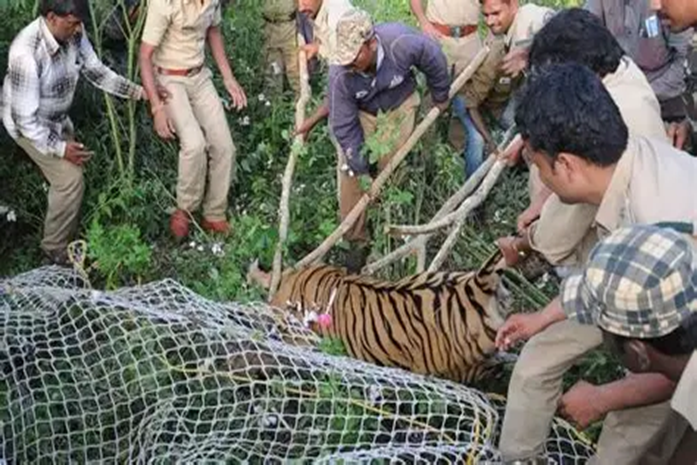
- The Court is examining orders passed between 4 August 2018 and 1 December 2018 and has been hearing multiple related petitions since then.
Key Observations of the Supreme Court
- “This is an issue which has to be addressed not by court orders, but through a humanitarian approach, by reaching out to them… you have to speak their language, understand their issues, their economic conditions.”
- “There is a lack of sensitivity, lack of awareness. There are commercial interests involved and there is also conflict of interest.”
- “There are systematic evasions of the law.”
- The Court highlighted that certain people and interests are even alluring elephants into human areas.
- It criticised the use of spikes and fireballs as “playing with fire” and called for immediate humane alternatives.
Background: Human-Wildlife Conflict in India
- India has one of the highest incidences of human-wildlife conflict globally.
- Elephants are the most prominent species involved in southern India (Kerala, Tamil Nadu, Karnataka, Andhra Pradesh).
- Kerala reports the highest number of human deaths due to elephant attacks (average 50–70 per year in recent years).
- Major hotspots: Wayanad, Palakkad, Idukki, Coimbatore forest divisions.
- Causes:
- Habitat fragmentation due to plantations, roads, railways, and settlements.
- Elephants attracted to crops (paddy, banana, coconut, arecanut).
- Lack of effective barriers and early-warning systems.
- Poor compensation mechanisms and delayed payments.
- Commercial interests (illegal resorts, quarries, tourism inside forests).
Supreme Court’s Earlier Interventions (2018 Orders)
- In 2018, the Court had passed directions on:
- Scientific management of elephant corridors.
- Removal of encroachments.
- Electrified solar fences.
- Community-based early warning systems.
- Despite these, ground-level implementation remains poor → leading to repeated petitions in 2026.
Significance of the Latest Observations
- Shifts focus from top-down judicial diktats to bottom-up community-centric solutions.
- Recognises socio-economic dimensions of conflict (farmers’ livelihood loss, fear, anger).
- Highlights conflict of interest and systematic evasion of existing laws.
- Reinforces that wildlife conservation cannot succeed without local support (principle of “conservation through participation”).
Way Forward Suggested by the Court & Experts
- Regular Gram Sabha-level dialogues with affected communities.
- Crop insurance and prompt, adequate compensation.
- Eco-development committees and alternative livelihood programmes.
- Scientific elephant-proof trenches, solar fencing, and early-warning apps.
- Strict enforcement against illegal resorts and commercial exploitation inside forests.
- Integration with Project Elephant, CAMPA funds, and state forest departments.
|
For UPSC CSE & State PSC |
|
Prelims |
|
|
|
|
GS-3 (Environment & Ecology) |
|
|
|
|
GS-2 (Polity & Governance) |
|
|
|
GS-1 (Society) |
|
|
Essay / Interview |
|
|
Que 1. With reference to the Supreme Court observations on human-wildlife conflict (February 2026), which of the following statements is/are correct?
- The Court emphasised that mere judicial orders are sufficient to resolve the issue.
- The bench headed by CJI Surya Kant described the situation in southern states as “alarming”.
- The Court criticised the use of spikes and fireballs against elephants.
Select the correct answer:
(a) 1 only
(b) 2 and 3 only
(c) 1 and 3 only
(d) 1, 2 and 3
Answer: (b)
Que 2. Human-wildlife conflict involving elephants is most acute in which of the following states as per recent Supreme Court observations?
(a) Assam and Meghalaya
(b) Kerala and Tamil Nadu
(c) Rajasthan and Gujarat
(d) Uttar Pradesh and Bihar
Answer: (b)
Que 3. Which of the following is NOT identified by the Supreme Court as a reason behind human-wildlife conflict?
(a) Commercial interests and conflict of interest
(b) Systematic evasion of the law
(c) Lack of sensitivity and awareness among local people
(d) All of the above are mentioned
Answer: (c) [Note: Court blamed lack of sensitivity among authorities/implementers, not local people]
Que 4. Project Elephant is a centrally sponsored scheme launched in which year?
(a) 1992
(b) 2005
(c) 2010
(d) 2015
Answer: (a)
Que 1. “Engagement with local people is the key to mitigating human-wildlife conflict.” In the light of the Supreme Court’s observations on 24 February 2026, discuss the causes of escalating human-elephant conflict in southern India and suggest a multi-pronged strategy for long-term co-existence. (15 marks / 250 words)
Que 2. The Supreme Court has repeatedly highlighted that judicial orders alone cannot resolve ecological conflicts. Critically examine the role of judiciary in environmental governance with special reference to human-wildlife conflict. (10 marks / 150 words)
Que 3. “Human-wildlife conflict is not merely a conservation issue but a serious socio-economic and livelihood challenge for forest-fringe communities.” Discuss with suitable examples from Kerala and other states. (15 marks / 250 words)
Que 4. Essay (250 marks) “From conflict to coexistence: Reimagining human-wildlife relations in a crowded India.”
Why in News?
- On 25 February 2026, the United Nations in partnership with the Government of India officially launched a road safety financing and capacity-building project in four states: Rajasthan, Kerala, Tamil Nadu, and Assam.
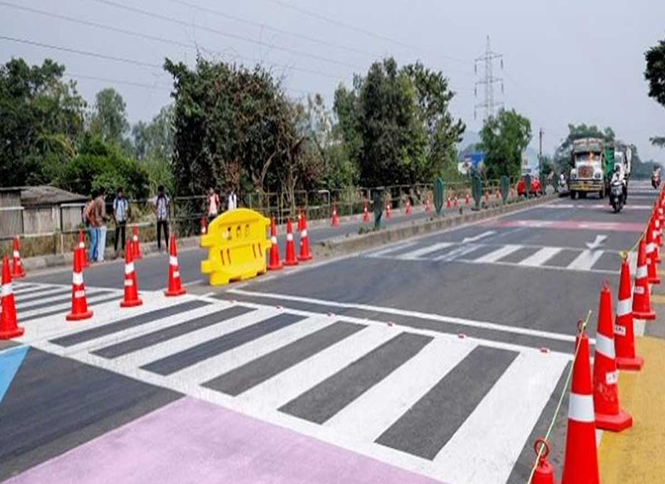
- The project will be implemented under the coordination of the UN Resident Coordinator’s Office in India.
- It aims to strengthen state-level capacities for effective implementation of road safety action plans and to reduce road fatalities and serious injuries.
- Jean Todt, UN Secretary-General’s Special Envoy for Road Safety, told The Hindu that “the world is not on track” to meet the global target of reducing road traffic deaths and injuries by at least 50% by 2030 under the Decade of Action for Road Safety 2021–2030.
Key Features of the UN Project
- Focus Areas:
- Building institutional and technical capacities at state and district levels.
- Effective implementation of existing State Road Safety Action Plans.
- Data-driven road safety interventions.
- Financing mechanisms for sustainable road safety projects.
- Awareness, enforcement, engineering, and emergency care (4E approach).
- Duration & Funding: Multi-year project; funding through UN Road Safety Trust Fund and bilateral/multilateral partners.
- Why these four states?
- High burden of road crashes.
- Diverse geography and traffic patterns (desert highways in Rajasthan, coastal & hill roads in Kerala & Tamil Nadu, hilly & border areas in Assam).
- Strong political will and existing road safety councils.
Road Safety Crisis in India (Latest Data)
- India accounts for ~11% of global road crash deaths despite having only 1% of the world’s vehicles.
- Annual road deaths: ~1.5 lakh (2024–25 provisional data).
- Serious injuries: ~4–5 lakh every year.
- Economic loss: 3–5% of GDP annually.
- Leading causes: Over-speeding, drunk driving, helmet/seatbelt non-use, poor road design, and pedestrian neglect.
- Top states (2024 data): Uttar Pradesh, Maharashtra, Tamil Nadu, Rajasthan, Karnataka, Madhya Pradesh, Andhra Pradesh.
Global Context: UN Decade of Action for Road Safety (2021–2030)
- Launched in 2021 following the Stockholm Declaration.
- Target: Reduce road traffic deaths and injuries by 50% by 2030.
- Current global progress: Only ~10–12% reduction achieved so far → world is off-track.
- India’s commitment: Signed the Stockholm Declaration and included road safety in NITI Aayog’s Vision 2047 and 15th Finance Commission grants (₹1.5 lakh crore for urban mobility & road safety).
Significance of the UN Project
- First major multi-state UN intervention focused exclusively on road safety capacity building.
- Brings international best practices (Sweden’s Vision Zero, Netherlands’ Sustainable Safety) to Indian states.
- Helps states access global funding and technical expertise.
- Aligns with Sustainable Development Goal 3.6 (halve road deaths by 2030) and SDG 11.2 (safe, affordable, accessible transport).
Challenges in India’s Road Safety Ecosystem
- Fragmented implementation (Centre, states, ULBs, police, transport departments).
- Weak enforcement of Motor Vehicles Act 2019 amendments.
- Inadequate data systems (under-reporting of crashes).
- Low public awareness and behavioural change.
- Funding gap at state level.
|
For UPSC CSE & State PSC |
|
Prelims |
|
|
|
|
|
GS-2 (Governance & IR) |
|
|
|
|
GS-3 (Economy & Infrastructure) |
|
|
|
GS-2 (Social Justice) |
|
|
Essay / Interview |
|
|
Que 1. With reference to the UN road safety project launched in February 2026, which of the following states are covered?
- Rajasthan
- Kerala
- Tamil Nadu
- Assam
Select the correct answer using the code given below:
(a) 1 and 2 only
(b) 1, 2 and 3 only
(c) 1, 3 and 4 only
(d) 1, 2, 3 and 4
Answer: (d)
Que 2. The global target of reducing road traffic deaths and injuries by 50% by 2030 is part of which of the following?
(a) Paris Agreement
(b) UN Decade of Action for Road Safety 2021–2030
(c) Sendai Framework for Disaster Risk Reduction
(d) New Urban Agenda
Answer: (b)
Que 3. Consider the following statements regarding road safety in India:
- India accounts for approximately 11% of global road crash deaths.
- The UN project launched in 2026 covers only North Indian states.
- SDG 3.6 aims to halve global road deaths by 2030.
Which of the statements given above is/are correct?
(a) 1 and 3 only
(b) 2 and 3 only
(c) 1 only
(d) 1, 2 and 3
Answer: (a)
Que 4. Who among the following is the UN Secretary-General’s Special Envoy for Road Safety who commented on India’s project in February 2026?
(a) Antonio Guterres
(b) Jean Todt
(c) Tedros Adhanom Ghebreyesus
(d) Achim Steiner
Answer: (b)
Que 1. “Road safety is a development issue, not merely a traffic issue.” In the light of the UN road safety project launched in four Indian states in February 2026, discuss the magnitude of the problem in India and suggest a multi-stakeholder strategy to achieve the 50% reduction target by 2030. (15 marks / 250 words)
Que 2. Critically examine the role of international organisations like the United Nations in addressing India’s domestic challenges such as road safety. How can such partnerships be made more effective? (10 marks / 150 words)
Que 3. “Behavioural change, strict enforcement and engineering solutions are the three pillars of road safety.” Discuss with special reference to the high-burden states of Kerala, Tamil Nadu, Rajasthan and Assam. (15 marks / 250 words)
Que 4. Essay (250 marks) “From Vision Zero to Ground Zero: Making India’s roads safe in the era of rapid urbanisation and motorisation.”
Why in News?
- On 24 February 2026, a Supreme Court bench headed by Chief Justice of India Surya Kant closed a suo motu case initiated in January 2021 on the remediation of polluted rivers across the country.
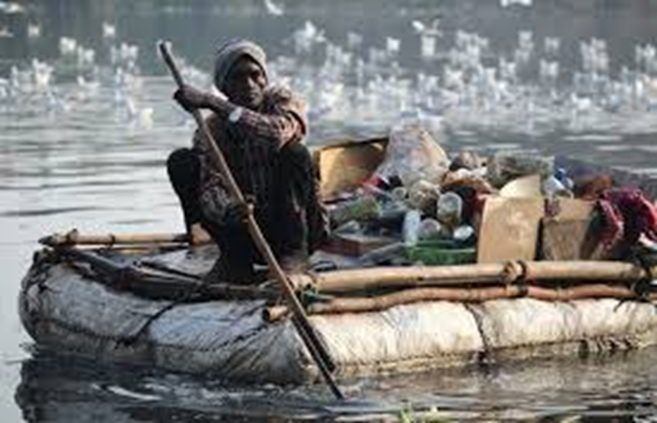
- After nearly five years of near inaction and limited progress, the Court observed that it is not feasible for the apex court to monitor pollution in all rivers nationwide and directed the National Green Tribunal (NGT) to reopen the case and ensure continued monitoring.
- The bench questioned the multiplicity of issues being entertained by the Court and stressed the need for a more focused, practical approach rather than broad, nationwide suo motu interventions.
Key Observations of the Supreme Court
- “Is it possible for us to look at all the polluted rivers? We can look at it one by one… Why should we have a multiplicity of issues like this?”
- The Court acknowledged the direct co-relation between river pollution and public health and the right to a clean environment (Article 21).
- It noted that pollution-free water is protected under the broad rubric of the right to life.
- The bench highlighted systematic lapses by municipalities in treating sewage and criticised the lack of sensitivity and awareness.
- The Court expressed concern over commercial interests and conflict of interest in some cases.
Background of the Suo Motu Case
- January 13, 2021: The Supreme Court took suo motu cognisance of the contamination of rivers by untreated sewage, triggered by visuals of toxic foam on the Yamuna river near Mathura and Delhi.
- A three-judge bench led by then Chief Justice Sharad A. Bobde had described the deterioration of fresh water as “alarming” and issued directions to states and pollution control boards.
- Over the next five years, the case saw limited hearings and minimal ground-level improvement despite repeated judicial directions.
- The matter involved major rivers such as Yamuna, Ganga, Sabarmati, and several others in southern and northern states.
Significance of the Closure
- Judicial Restraint: The Court has signalled limits to expansive suo motu jurisdiction in complex, pan-India environmental issues that require continuous technical monitoring.
- Strengthening NGT: Reinforces the NGT as the specialised statutory body for environmental adjudication (under National Green Tribunal Act, 2010).
- Practical Governance: Shifts focus from courtroom monitoring to ground-level execution by pollution control boards, municipalities, and state governments.
- Right to Clean Environment: Reaffirms that river pollution violates Article 21 but emphasises that remedies must be targeted and sustainable.
Current Status of River Pollution in India
- Namami Gange and other river rejuvenation programmes have achieved only partial success.
- Yamuna in Delhi stretch remains one of the most polluted rivers (BOD levels often >30 mg/L against permissible 3 mg/L).
- Over 70% of surface water in India is polluted (NITI Aayog & CPCB data).
- Major causes: Untreated sewage (80%), industrial effluents, agricultural runoff, and solid waste dumping.
Way Forward
- NGT to monitor the case actively with state-specific benches.
- Strict enforcement of Water (Prevention & Control of Pollution) Act, 1974 and Environment Protection Act, 1986.
- Implementation of Polluter Pays Principle and Extended Producer Responsibility.
- Community participation, real-time water quality monitoring, and strict timelines for STPs (Sewage Treatment Plants).
|
For UPSC CSE & State PSC |
|
Prelims |
|
|
|
|
|
GS-2 (Polity & Governance) |
|
|
|
|
GS-3 (Environment & Ecology) |
|
|
|
|
Essay / Interview |
|
|
Que 1. With reference to the Supreme Court order of 24 February 2026, which of the following statements is correct?
(a) The Court closed the suo motu case and directed the Central Pollution Control Board to monitor all rivers
(b) The Court closed the suo motu case and directed the National Green Tribunal to reopen and monitor the case
(c) The Court transferred the case to the High Courts of respective states
(d) The Court imposed a nationwide ban on untreated sewage discharge
Answer: (b)
Que 2. The suo motu case on polluted rivers was initially taken up by the Supreme Court in which year?
(a) 2018
(b) 2021
(c) 2023
(d) 2025
Answer: (b)
Que 3. Which of the following is NOT correct regarding the Supreme Court’s observations on 24 February 2026?
(a) The Court questioned the feasibility of examining pollution in all rivers nationwide
(b) The Court criticised the use of multiplicity of issues in environmental litigation
(c) The Court held that river pollution has no relation with the right to life under Article 21
(d) The Court noted systematic lapses by municipalities in sewage treatment
Answer: (c)
Que 4. The National Green Tribunal was established under which Act?
(a) Environment Protection Act, 1986
(b) National Green Tribunal Act, 2010
(c) Water (Prevention and Control of Pollution) Act, 1974
(d) Forest Conservation Act, 1980
Answer: (b)
Que 1. “The Supreme Court’s closure of the suo motu case on polluted rivers highlights the limits of judicial activism in addressing nationwide environmental problems.” Critically examine this statement in the light of the order dated 24 February 2026. (15 marks / 250 words)
Que 2. Discuss the role of the National Green Tribunal in environmental governance and how the recent Supreme Court directive strengthens or limits its mandate. (10 marks / 150 words)
Que 3. “River pollution in India is not merely an environmental issue but a violation of the fundamental right to life and livelihood.” In the context of the Yamuna and other major rivers, suggest a multi-pronged strategy involving judiciary, executive and civil society to achieve meaningful rejuvenation. (15 marks / 250 words)
Que 4. Essay (250 marks) “Judicial restraint in environmental matters: A step towards sustainable governance or judicial retreat?”
Why in News?
- Prime Minister Narendra Modi is scheduled to undertake a standalone bilateral visit to Israel in the last week of February or early March 2026 — his first visit since 2017.
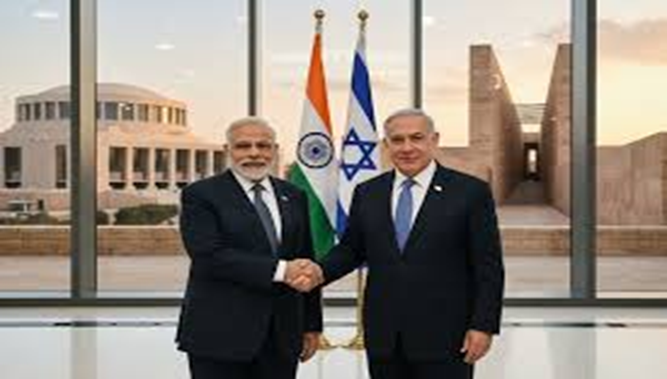
- The visit aims to upgrade bilateral ties in defence & security, trade & labour, AI & technology, and IMEC connectivity.
- However, the timing is highly sensitive due to Israeli PM Benjamin Netanyahu’s plan to announce a “hexagonal alliance” (India–Greece–Cyprus + unnamed Arab/African countries) targeting “both radical Sunni and Shia axes”.
- This announcement will be closely watched by Iran, Türkiye, Saudi Arabia, and Qatar — all of which maintain complex but important relations with India.
- The visit also coincides with heightened Israel–Iran tensions (following US President Trump’s threats of military strikes on Iran) and Israel’s continued military operations in Gaza and the West Bank.
Key Agenda of the Visit
- Bilateral meetings with PM Benjamin Netanyahu.
- Address to the Knesset (Israeli Parliament).
- Private dinner and interaction with the Indian-Jewish diaspora.
- Visit to Yad Vashem Holocaust Memorial.
- Possible joint statement and MoUs on defence, technology, trade, and IMEC (India-Middle East-Europe Economic Corridor).
Geopolitical Headwinds
- Hexagonal Alliance Proposal: Netanyahu wants to formalise a grouping against “radical Sunni and Shia axes”. Any Indian association (even symbolic) could be seen as targeting Iran and certain Sunni actors, straining India’s ties with the Gulf and Tehran.
- Iran Factor: India imports significant crude oil from Iran (pre-sanctions) and maintains strategic Chabahar Port access. India has already issued a travel advisory asking citizens to leave Iran amid US–Israel tensions.
- Gulf & Arab World: Saudi Arabia, UAE, Qatar have massive investments in India and host millions of Indian workers. Any perception of India joining an “anti-Iran” or “anti-Islamic” axis could damage these ties.
- Gaza & West Bank: Israel’s ongoing operations (over 70,000 killed since Oct 2023 as per reports) and plans to extend control make the visit diplomatically delicate.
- Domestic & Diaspora Angle: Strong Indian-Jewish community in Israel; but India must balance its traditional support for the Palestinian cause.
India–Israel Bilateral Relations: Quick Snapshot
- Strategic partnership since 1992; elevated to comprehensive strategic partnership.
- Key pillars: Defence (India is largest buyer of Israeli weapons — Heron, Barak, Spike missiles), agriculture, water technology, cyber security, homeland security.
- Trade: ~$10–12 billion (2025); target higher through CEPA.
- IMEC Project: India–Israel–UAE–Saudi–Jordan–EU corridor (alternative to China’s BRI) — high strategic importance for India.
India’s Balancing Act in West Asia
- India follows “multi-alignment” policy: Strong ties with Israel (defence & tech) + strong ties with Arab Gulf (energy & remittances) + functional engagement with Iran (Chabahar, INSTC).
- India has consistently supported two-state solution on Palestine and voted for ceasefire resolutions at UN.
- Recent examples of balancing:
- Abstained/nuanced votes on Gaza at UN.
- Continued oil imports from Russia and Gulf despite Western pressure.
- Strong defence cooperation with Israel without formal military alliance.
Significance of the Visit
- Opportunity to push IMEC and counter China’s influence in the region.
- Boost to defence and technology cooperation amid global supply-chain shifts.
- Test of India’s diplomatic dexterity in a highly polarised West Asia under Trump 2.0.
|
For UPSC CSE & State PSC |
|
Prelims |
|
|
|
|
GS-2 (International Relations) |
|
|
|
|
GS-3 (Economy & Security) |
|
|
|
|
Essay / Interview |
|
|
Que 1. With reference to PM Modi’s proposed visit to Israel in February/March 2026, consider the following statements:
- It is his first visit to Israel as Prime Minister.
- The visit is expected to focus on defence, AI, technology and IMEC connectivity.
- Israeli PM Netanyahu plans to announce a ‘hexagonal alliance’ involving India during the visit.
Which of the statements given above is/are correct?
(a) 1 only
(b) 2 and 3 only
(c) 1 and 3 only
(d) 1, 2 and 3
Answer: (b)
Que 2. The ‘hexagonal alliance’ proposed by Israeli PM Netanyahu is targeted against:
(a) Radical Sunni and Shia axes
(b) Only radical Shia axis (Iran-led)
(c) Only radical Sunni axis
(d) China and Russia
Answer: (a)
Que 3. Which of the following countries is NOT likely to be concerned by the proposed ‘hexagonal alliance’ announcement?
(a) Iran
(b) Türkiye
(c) Saudi Arabia
(d) None of the above (all are likely to watch closely)
Answer: (d)
Que 4. IMEC stands for:
(a) India–Middle East–Europe Economic Corridor
(b) Israel–Mediterranean–Europe Corridor
(c) Indo-Pacific Maritime Energy Corridor
(d) International Maritime Energy Corridor
Answer: (a)
Que 1. “PM Modi’s Israel visit in February/March 2026 comes at a time when West Asia is highly polarised.” Analyse the opportunities and challenges for India in upgrading bilateral ties with Israel without alienating its traditional partners in the region. (15 marks / 250 words)
Que 2. Discuss how India’s multi-alignment policy in West Asia has evolved since 2014. In this context, evaluate the strategic importance of the IMEC project and the risks posed by regional alliances like the proposed ‘hexagonal alliance’. (15 marks / 250 words)
Que 3. “In a multipolar West Asia, India must balance its growing strategic partnership with Israel and its longstanding energy and diaspora interests in the Gulf and Iran.” Comment. (10 marks / 150 words)
Que 4. Essay (250 marks) “Strategic autonomy in a fractured West Asia: Challenges and opportunities for Indian foreign policy.”
Why in News?
- A landmark study published in Science Translational Medicine (February 2026) has provided strong scientific evidence that the HIV capsid is an excellent long-term drug target, even in the face of emerging resistance.
- The study analysed how HIV attempts to escape the drug lenacapavir (the world’s first capsid inhibitor, approved by US FDA in 2022) and found that the virus must damage its own essential components to develop resistance — making high-level resistance biologically costly and difficult to sustain.
- This reaffirms that targeting the viral capsid opens the door to a new generation of long-acting, highly effective HIV drugs.
- The findings come at a time when India is preparing to roll out its national HPV vaccination programme (announced 24 Feb 2026) and amid renewed global focus on ending the HIV/AIDS epidemic by 2030 (UNAIDS target).
Key Findings of the Study
- To escape lenacapavir, HIV must introduce mutations in the capsid protein.
- These mutations destabilise the capsid structure, severely reducing the virus’s ability to infect new cells and replicate efficiently.
- Result: Even when resistance emerges, the resistant virus is weaker and less fit than the original strain.
- Lenacapavir works by binding to the capsid and preventing it from properly assembling/uncoating — a step essential for the virus to deliver its genetic material into the host cell.
- The study examined patients from multiple countries (including South Africa) and confirmed that capsid-targeting drugs maintain high efficacy even after prolonged use.
What is the HIV Capsid?
- The capsid is the protein shell that encloses the viral RNA and enzymes (reverse transcriptase, integrase, protease).
- It protects the virus during the early stages of infection and is critical for:
- Uncoating inside the host cell
- Transport to the nucleus
- Integration of viral DNA into host genome
- Unlike earlier targets (reverse transcriptase, protease, integrase), the capsid is highly conserved — meaning it cannot mutate easily without losing fitness.
Lenacapavir: Game-Changer in HIV Treatment
- First capsid inhibitor approved anywhere in the world (FDA: June 2022; EMA & others followed).
- Dosing: Subcutaneous injection every 6 months — revolutionary for adherence.
- Efficacy: In treatment-experienced patients with multi-drug resistance, it achieved viral suppression in ~80–90% cases when combined with other drugs.
- Developed by Gilead Sciences; now being studied for pre-exposure prophylaxis (PrEP) as a twice-yearly injection.
Significance for Global & Indian HIV Response
- Global: Brings hope for long-acting antiretrovirals — reduces daily pill burden, improves adherence, and helps reach UNAIDS 95-95-95 targets by 2030.
- India:
- ~24 lakh people living with HIV (2025 NACO estimate).
- Daily oral ART is lifelong and faces adherence challenges.
- Capsid inhibitors could become a game-changer for hard-to-treat patients and future long-acting PrEP.
- India is a global leader in generic ARV production — future generic versions of lenacapavir could dramatically reduce costs.
- Reinforces the principle that targeting conserved viral structures is the key to overcoming resistance.
Challenges Remaining
- High cost of lenacapavir (currently ~$40,000 per year in the US).
- Need for combination therapy — not a monotherapy cure.
- Limited data on use in pregnancy and children.
- Potential for eventual resistance if used widely without proper monitoring.
|
For UPSC CSE & State PSC |
|
Prelims |
|
|
|
|
GS-2 (Health & Governance) |
|
|
|
GS-3 (Science & Technology) |
|
|
|
GS-2 (IR) |
|
|
Essay / Interview |
|
|
Que 1. With reference to the recent study on HIV capsid (February 2026), which of the following statements is correct?
(a) The study found that HIV can easily develop resistance to capsid inhibitors without any fitness cost
(b) Lenacapavir is the world’s first approved capsid-based HIV inhibitor
(c) The HIV capsid is not essential for viral replication
(d) Lenacapavir is administered as a daily oral tablet
Answer: (b)
Que 2. Lenacapavir is administered in which of the following frequencies?
(a) Daily
(b) Weekly
(c) Every 6 months
(d) Once a year
Answer: (c)
Que 3. Consider the following statements about the HIV capsid:
- It encloses the viral RNA and essential enzymes.
- It is a highly conserved structure, making it difficult for the virus to mutate without losing fitness.
- It is the target of the drug lenacapavir.
Which of the statements given above is/are correct?
(a) 1 only
(b) 1 and 2 only
(c) 1, 2 and 3
(d) 2 and 3 only
Answer: (c)
Que 4. The global target of ending AIDS as a public health threat by 2030 is set by:
(a) World Health Organization
(b) UNAIDS
(c) GAVI Alliance
(d) Global Fund to Fight AIDS, TB and Malaria
Answer: (b)
Que 1. “The confirmation that the HIV capsid is a viable drug target despite resistance opens a new chapter in the fight against HIV/AIDS.” Discuss the scientific significance of the February 2026 study on lenacapavir and its potential implications for India’s National AIDS Control Programme. (15 marks / 250 words)
Que 2. Long-acting antiretrovirals represent a major advancement in HIV management. Evaluate the opportunities and challenges of introducing capsid inhibitors like lenacapavir in resource-limited settings like India. (10 marks / 150 words)
Que 3. “From AZT in 1987 to lenacapavir in 2022–26, the journey of HIV therapeutics shows how targeting conserved viral structures can overcome resistance.” Analyse this evolution and its lessons for antimicrobial resistance research. (15 marks / 250 words)
Que 4. Essay (250 marks) “From crisis to control: The science and equity dimensions of ending the HIV/AIDS epidemic by 2030.”
Why in News?
- An in-depth economic analysis published in The Hindu on 25 February 2026 titled “The evolving nature of trade agreements” examines how U.S. President Donald Trump’s second-term trade policy is creating a new category of bilateral deals called Agreements on Reciprocal Trade (ART).
- These agreements are signed under the shadow of high tariffs (often 25–60%) and are legally distinct from traditional Free Trade Agreements (FTAs).
- The article highlights the ongoing India–U.S. trade negotiations (interim framework announced earlier in February 2026) and questions whether the eventual India–U.S. deal will follow the ART template or a conventional FTA model.
- It also discusses the legal tension these deals create with WTO rules (GATT Article XXIV and the Most-Favoured-Nation principle).
What are Agreements on Reciprocal Trade (ART)?
- Trump administration’s new nomenclature for bilateral trade pacts signed since January 2025.
- Key features:
- Signed under the threat of or after imposition of high reciprocal tariffs.
- Focus on immediate tariff reductions on both sides rather than long-phase liberalisation.
- Often include non-trade issues (labour, environment, data localisation, digital trade, investment protection).
- Exempt the partner country from certain U.S. tariffs but retain “snap-back” clauses if commitments are not met.
- Not notified to WTO as full FTAs in many cases, making their legal status under GATT Article XXIV questionable.
- Already signed with: Malaysia, Cambodia, Argentina, Bangladesh, etc.
- India–U.S. interim framework (Feb 2026) is being watched as a potential ART-type deal.
Three Typologies of Modern Trade Agreements
- Multilateral — WTO/GATT framework (non-discriminatory MFN principle).
- Preferential Trade Agreements (PTAs) — Traditional FTAs, Customs Unions, notified to WTO.
- Agreements on Reciprocal Trade (ART) — New Trump-era bilateral deals, often coercive, limited WTO notification, heavy on enforcement and non-trade clauses.
Legal & WTO Concerns
- GATT Article XXIV requires FTAs to cover “substantially all trade” and not raise barriers against third parties.
- Many ARTs are criticised for being sector-selective and politically driven, potentially violating WTO rules.
- Developing countries (including India) cannot easily challenge them due to power asymmetry and fear of retaliatory tariffs.
- The article notes that these deals create an institutional linkage with the WTO but operate independently, raising questions of transparency and fairness.
Implications for India
- Opportunity: India can secure tariff relief on textiles, pharma, steel, and gems & jewellery (hit by 50% tariffs earlier).
- Risk: If the final deal is framed as an ART, it may include stringent labour, environment, and digital trade clauses that India has traditionally resisted.
- Strategic Choice: India must decide whether to push for a comprehensive FTA (long-term, WTO-compliant) or accept a quick reciprocal deal (short-term relief but with snap-back risks).
- Broader Diplomacy: Any perception of India joining a U.S.-led “reciprocal trade bloc” could affect its image in the Global South and BRICS.
Global Context under Trump 2.0
- “America First” trade policy: High tariffs used as negotiating leverage.
- Shift from multilateralism (WTO) to bilateral transactionalism.
- Proliferation of large bilateral deals (covering 10–15 countries) instead of mega-regionals.
- Impact on Global Value Chains: Increased uncertainty and “friend-shoring”.
|
For UPSC CSE & State PSC |
|
Prelims |
|
|
|
|
GS-2 (International Relations) |
|
|
|
GS-3 (Economy) |
|
|
|
|
Essay / Interview |
|
|
Que 1. With reference to the new category of trade agreements under President Trump, consider the following statements:
- They are officially called “Agreements on Reciprocal Trade (ART)”.
- These agreements are always notified to the WTO as full Free Trade Agreements.
- They are often signed under the threat of high reciprocal tariffs.
Which of the statements given above is/are correct?
(a) 1 and 3 only
(b) 2 and 3 only
(c) 1 only
(d) 1, 2 and 3
Answer: (a)
Que 2. GATT Article XXIV is primarily related to:
(a) Dispute settlement mechanism
(b) Formation of Free Trade Areas and Customs Unions
(c) Most-Favoured-Nation (MFN) principle
(d) Trade in services
Answer: (b)
Que 3. Which of the following is NOT a characteristic of Trump-era “Agreements on Reciprocal Trade (ART)”?
(a) Heavy emphasis on non-trade issues like labour and environment
(b) Complete exemption from WTO rules
(c) Use of tariff threats as negotiating leverage
(d) Bilateral in nature with snap-back clauses
Answer: (b)
Que 4. The article mentions that the U.S. has already signed ART-type agreements with which of the following countries?
- Malaysia
- Cambodia
- Bangladesh
- Argentina
Select the correct answer:
(a) 1 and 2 only
(b) 1, 2 and 3 only
(c) 1, 3 and 4 only
(d) 1, 2, 3 and 4
Answer: (d)
Que 1. “The emergence of Agreements on Reciprocal Trade (ART) under President Trump represents a shift from rule-based multilateralism to power-based bilateralism.” Discuss the implications of this shift for developing countries like India. (15 marks / 250 words)
Que 2. Critically examine the legal compatibility of Trump’s ART-type agreements with the WTO framework, particularly GATT Article XXIV. What challenges does this pose for global trade governance? (10 marks / 150 words)
Que 3. In the context of ongoing India–U.S. trade negotiations, should India prefer a comprehensive FTA or accept a quick reciprocal trade deal? Give reasoned arguments. (15 marks / 250 words)
Que 4. Essay (250 marks) “From GATT to ART: The changing architecture of global trade and India’s strategic response.”
Why in News?
- On 24–25 February 2026, the Supreme Court continued hearing a batch of petitions challenging the blanket exemption provided to “personal information” under the Digital Personal Data Protection (DPDP) Act, 2023.
- The petitions argue that Section 44(3) of the DPDP Act amends Section 8(1)(j) of the RTI Act, 2005 by removing the public interest override and the requirement to apply the proportionality test, thereby diluting the fundamental Right to Information.
- A Constitution Bench is likely to be constituted soon to examine whether this exemption violates the right to information (derived from Article 19(1)(a)) and the right to privacy (Article 21) as declared in the Puttaswamy judgment (2017).
- The controversy has reignited the long-standing debate on balancing transparency vs. privacy in governance.
Key Legal Provisions at the Centre of Controversy
- RTI Act, 2005 – Section 8(1)(j) (Original): Exempts personal information whose disclosure has no relationship to any public activity or interest, or which would cause unwarranted invasion of privacy — unless the Central Public Information Officer (CPIO) or appellate authority is satisfied that larger public interest justifies disclosure.
- DPDP Act, 2023 – Section 44(3) (Amendment): Provides a blanket exemption to “any information which relates to personal information” without the public interest test or proportionality check.
- Result: Even information related to public servants’ assets, contracts, or decisions involving public funds can now be denied on the ground that it is “personal data”.
Background & Evolution
- 2005: RTI Act enacted — landmark tool for transparency and accountability.
- 2017: Supreme Court in Justice K.S. Puttaswamy v. Union of India declared Right to Privacy as a fundamental right under Article 21.
- 2018: Justice B.N. Srikrishna Committee submitted draft Data Protection Bill.
- August 2023: DPDP Act, 2023 passed by Parliament (replacing the withdrawn 2019 Bill).
- 2023–2026: Multiple PILs filed in Supreme Court challenging Section 44(3) of DPDP Act as violating the basic structure of the Constitution and diluting RTI.
Core Arguments in Supreme Court Petitions
Against the Amendment:
- Creates an absolute shield for personal data even when public interest is overwhelming (e.g., corruption cases, public expenditure, electoral bonds data, etc.).
- Violates the proportionality doctrine laid down in Puttaswamy (legitimate aim, rational nexus, necessity, balancing).
- Undermines the basic structure — transparency and accountability are integral to democracy.
Government’s Stand:
- Protects citizens’ fundamental right to privacy.
- Prevents misuse of RTI for fishing expeditions or harassment.
- Data fiduciaries (government included) must still follow purpose limitation and consent principles.
Implications if the Amendment is Upheld
- Significant weakening of RTI for information involving any “personal data”.
- Reduced transparency in government functioning, especially in contracts, appointments, and public spending.
- Potential misuse by public servants to shield assets and decisions.
- Conflict between two fundamental rights — privacy vs. information.
Way Forward Suggested by Experts
- Repeal or suitably amend Section 44(3) of DPDP Act.
- Restore the public interest override with clear guidelines on what constitutes “personal information” vs. “information relating to public activity”.
- Introduce data protection impact assessments for government departments.
- Strengthen the Data Protection Board and ensure independence.
|
For UPSC CSE & State PSC |
|
Prelims |
|
|
|
|
GS-2 (Polity & Governance) |
|
|
|
|
GS-2 (Social Justice) |
|
|
Essay / Interview |
|
|
Que 1. With reference to the ongoing Supreme Court case on the DPDP Act, 2023, consider the following statements:
- Section 44(3) of the DPDP Act provides a blanket exemption to any information relating to personal data.
- The RTI Act, 2005 originally contained a public interest override in Section 8(1)(j).
- The Puttaswamy judgment (2017) declared Right to Privacy as a fundamental right under Article 19 only.
Which of the statements given above is/are correct?
(a) 1 and 2 only
(b) 2 and 3 only
(c) 1 and 3 only
(d) 1, 2 and 3
Answer: (a)
Que 2. The Right to Information Act, 2005 was enacted to give effect to which Fundamental Right?
(a) Article 14
(b) Article 19(1)(a)
(c) Article 21
(d) Article 32
Answer: (b)
Que 3. Which of the following is NOT a ground for exemption under the original Section 8(1)(j) of the RTI Act?
(a) Information unrelated to public activity or interest
(b) Information causing unwarranted invasion of privacy
(c) Information that has no larger public interest
(d) Information relating to Cabinet papers (this is under 8(1)(i))
Answer: (d)
Que 4. The Justice B.N. Srikrishna Committee was constituted in the context of:
(a) Electoral reforms
(b) Data protection framework
(c) Police reforms
(d) Judicial appointments
Answer: (b)
Que 1. “The Digital Personal Data Protection Act, 2023 has created an unprecedented conflict between the Right to Information and the Right to Privacy.” Critically examine this statement and suggest a balanced way forward. (15 marks / 250 words)
Que 2. Discuss the evolution of the Right to Information in India from the Common Law to the RTI Act, 2005 and its subsequent interaction with the fundamental Right to Privacy as recognised in the Puttaswamy judgment. (10 marks / 150 words)
Que 3. “A blanket exemption for personal information under the DPDP Act undermines the basic structure of the Constitution.” Do you agree? Substantiate your view with constitutional and judicial reasoning. (15 marks / 250 words)
Que 4. Essay (250 marks) “Transparency vs. Privacy: Striking the constitutional balance in the digital age.”
Why in News?
- On 25 February 2026, leading U.S. AI companies — OpenAI (creator of ChatGPT) and Anthropic (creator of Claude) — publicly accused three unnamed Chinese AI firms of running sophisticated, industrial-scale campaigns to illicitly extract capabilities from Western AI models, particularly Claude chatbot.
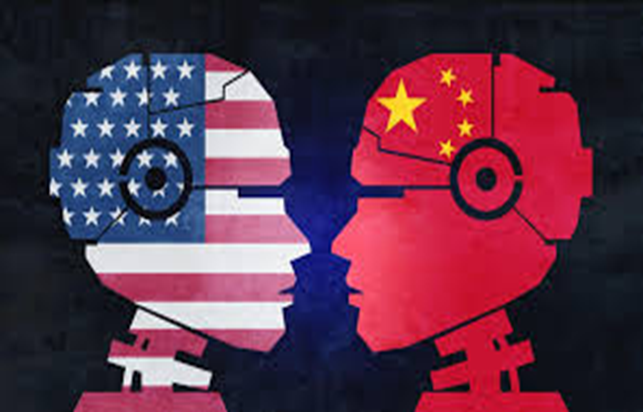
- The accusations centre on the technique of “distillation” — a method where a smaller, less capable model is trained on outputs of a larger frontier model (Claude) to rapidly boost its performance, effectively stealing proprietary knowledge.
- DeepSeek, Moonshot AI, and MiniMax have been specifically named in related reports and complaints filed with U.S. lawmakers earlier in February 2026.
- This marks the most serious and public escalation yet in the ongoing U.S.–China AI arms race over intellectual property theft.
What is “Model Distillation”?
- A technique in which a student model (smaller/cheaper) learns from a teacher model (larger/frontier model like Claude or GPT) by using the teacher’s outputs as training data.
- Allows rapid capability transfer without needing the original massive training dataset or compute.
- Legitimate use exists in research, but when done without permission on proprietary models, it constitutes intellectual property theft and trade secret misappropriation.
Key Allegations
- Chinese firms used automated prompt engineering and large-scale querying to extract Claude’s reasoning patterns, safety alignments, and capabilities.
- The extracted knowledge was then “distilled” into Chinese models, enabling them to match or approach Claude-level performance at a fraction of the cost and time.
- This is described as “industrial-scale intellectual property theft” — not simple data scraping but systematic capability cloning.
- Similar complaints were made to U.S. lawmakers in early February 2026.
Broader Context: U.S.–China AI Rivalry
- Since 2022, the U.S. has imposed strict export controls on advanced chips (NVIDIA A100/H100) to China.
- China has responded by accelerating indigenous AI development and allegedly using “model extraction” and distillation techniques to bypass hardware limitations.
- This incident follows earlier accusations against Chinese firms for scraping training data from GitHub, StackOverflow, and Western websites.
- The U.S. views frontier AI models as strategic national assets, comparable to nuclear or aerospace technology.
Implications
- For Global AI Governance: Raises urgent questions about ownership of AI model weights, outputs, and emergent capabilities. Current international law (TRIPS, copyright) is inadequate for AI.
- For India:
- India is rapidly building its own AI ecosystem under the IndiaAI Mission (₹10,000+ crore).
- Highlights the need for strong data protection, model security, and IP safeguards in India’s AI policy.
- Opportunity for India to position itself as a trusted, rule-based AI partner between the U.S. and China.
- Geopolitical: Further tightens U.S. export controls and may lead to new sanctions or “AI export control” regimes.
- Industry: Accelerates the trend of “AI sovereignty” — countries and companies investing heavily in secure, air-gapped training environments.
|
For UPSC CSE & State PSC |
|
Prelims |
|
|
|
|
GS-2 (International Relations) |
|
|
|
GS-3 (Science & Technology + Economy) |
|
|
|
|
GS-2 (Polity & Governance) |
|
|
Essay / Interview |
|
|
Que 1. With reference to the recent accusations of AI data theft (February 2026), consider the following statements:
- OpenAI and Anthropic have accused Chinese firms of using “distillation” to steal capabilities from Claude chatbot.
- Distillation involves training a smaller model on the outputs of a larger proprietary model.
- The technique is completely legal under current international intellectual property law.
Which of the statements given above is/are correct?
(a) 1 and 2 only
(b) 2 and 3 only
(c) 1 and 3 only
(d) 1, 2 and 3
Answer: (a)
Que 2. Which of the following best describes “model distillation” in the context of AI?
(a) A method to compress large language models into smaller ones using legitimate transfer learning
(b) An illegal technique to extract and replicate capabilities from proprietary frontier models without permission
(c) A hardware optimisation technique used only by U.S. companies
(d) A data encryption method for secure AI training
Answer: (b)
Que 3. The companies that made the accusations in February 2026 are:
(a) Google DeepMind and Meta
(b) OpenAI and Anthropic
(c) Microsoft and Amazon
(d) Tesla and xAI
Answer: (b)
Que 4. The technique of distillation allows Chinese firms to overcome which major U.S. restriction? (a) Ban on exporting advanced AI chips to China
(b) Ban on exporting crude oil to China
(c) Restrictions on foreign investment in U.S. tech firms
(d) Visa restrictions on Chinese researchers
Answer: (a)
Que 1. “The accusations of AI model distillation by Chinese firms highlight the inadequacy of existing international frameworks to govern emerging technologies.” Discuss the challenges of regulating AI intellectual property in a geopolitically divided world and suggest India’s possible approach. (15 marks / 250 words)
Que 2. Examine the strategic implications of U.S.–China AI rivalry for India’s technological sovereignty and national security. How should India balance cooperation and competition in the AI domain? (15 marks / 250 words)
Que 3. “Distillation of frontier AI models represents a new form of intellectual property theft in the 21st century.” Critically analyse this statement in the context of the February 2026 OpenAI–Anthropic allegations. (10 marks / 150 words)
Que 4. Essay (250 marks) “Artificial Intelligence and Geopolitics: From data to dominance in the emerging world order.”
Why in News?
- On 25 February 2026, Reuters reported that the cost of hiring Very Large Crude Carriers (VLCCs) — the largest oil tankers — has surged to the highest level in six years.
- The spike is driven by a massive wave of crude oil exports from the Middle East (Saudi Arabia, UAE, Iraq, etc.), accelerated chartering due to fears of military conflict between the US and Iran, and a shrinking global tanker fleet as older vessels move into the “shadow fleet” (used for sanctioned Russian oil).
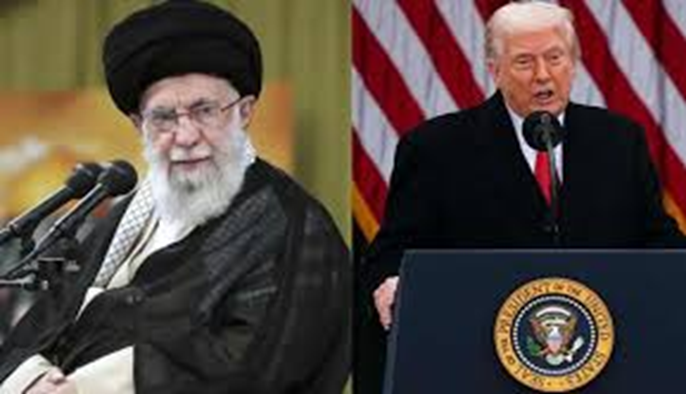
- In February 2026, Middle East crude exports exceeded 19 million barrels per day — the highest since April 2020.
- VLCC freight rates from the Middle East to China have more than tripled since the start of 2026.
Key Data & Drivers
- Freight Rate Surge: VLCC rates from Middle East to China jumped sharply in early 2026.
- Export Volume: Middle East crude exports >19 mn bpd in February 2026.
- Shadow Fleet Effect: Hundreds of older tankers have been diverted to carry Russian oil under sanctions, tightening availability for legitimate Middle East trade.
- Geopolitical Trigger: Heightened US-Iran tensions under Trump 2.0 (threats of strikes on Iranian nuclear sites, sanctions on Iranian oil) have forced traders to book tankers early and pay war-risk insurance premiums.
- Strait of Hormuz Risk: Any escalation could jam the critical chokepoint through which ~20% of global oil passes.
Impact on Global Oil Shipping
- War-Risk Premiums: Expected to rise sharply if conflict escalates; owners may avoid the region.
- Supply Chain Strain: Refineries in Asia (especially India and China) face higher logistics costs and potential delays.
- Market Response: Traders are shifting to smaller tankers (Aframax, Suezmax) and rushing to secure tonnage early.
Specific Implications for India
- India is the world’s third-largest oil importer (~85% import dependence).
- Middle East remains the dominant source (~60% of India’s crude imports).
- Rising tanker costs will inflate India’s oil import bill, putting pressure on:
- Current Account Deficit
- Retail fuel prices (petrol, diesel)
- Inflation (transport and food costs)
- India had shifted some imports to discounted Russian oil (peaked at 35–40% share), but recent US pressure (interim trade deal) has reduced Russian volumes to ~21%.
- Any disruption in Hormuz or higher ME shipping costs could force India to pay a double premium — higher freight + loss of Russian discounts.
- Positive side: Indian shippers and ports (e.g., Vadinar, Mundra) may see increased activity if rerouting occurs.
Broader Geopolitical & Economic Context
- US-Iran Tensions: Trump 2.0 has revived “maximum pressure” campaign; threats of military action against Iran’s nuclear programme.
- OPEC+ Dynamics: Saudi Arabia and UAE ramping up production to fill any Iranian supply gap.
- Energy Security Lesson: Reinforces India’s need to diversify sources (US LNG, green hydrogen, domestic exploration) and build strategic petroleum reserves.
- Shadow Fleet Phenomenon: Highlights how sanctions create parallel maritime ecosystems, affecting global freight dynamics.
|
For UPSC CSE & State PSC |
|
Prelims |
|
|
|
|
GS-2 (International Relations) |
|
|
|
GS-3 (Economy & Energy Security) |
|
|
|
GS-3 (Disaster Management) |
|
|
Essay / Interview |
|
|
Que 1. With reference to the recent surge in VLCC tanker costs (February 2026), consider the following statements:
- The increase is primarily due to record crude exports from the Middle East.
- The shadow fleet has increased the availability of tankers for legitimate trade.
- VLCC freight rates from the Middle East to China have more than tripled since January 2026.
Which of the statements given above is/are correct?
(a) 1 and 3 only
(b) 2 and 3 only
(c) 1 only
(d) 1, 2 and 3
Answer: (a)
Que 2. The “shadow fleet” primarily refers to:
(a) New tankers built for green shipping
(b) Older vessels used to transport sanctioned Russian oil
(c) Naval escort vessels in the Strait of Hormuz
(d) Tankers registered under UN flags
Answer: (b)
Que 3. Which of the following is the most critical maritime chokepoint for Middle East oil exports to Asia?
(a) Strait of Malacca
(b) Strait of Hormuz
c) Suez Canal
(d) Panama Canal
Answer: (b)
Que 4. India’s crude oil import dependence is approximately:
(a) 40%
(b) 60%
(c) 85%
(d) 100%
Answer: (c)
Que 1. “Rising tanker freight costs amid US-Iran tensions highlight the structural vulnerabilities in India’s energy security architecture.” Discuss the causes and suggest a multi-pronged strategy for India to enhance energy resilience. (15 marks / 250 words)
Que 2. Analyse the impact of geopolitical developments in West Asia on global oil shipping economics and India’s import strategy. How does the emergence of the “shadow fleet” complicate this scenario? (10 marks / 150 words)
Que 3. “Energy security is no longer just about sourcing oil but about securing reliable and affordable shipping lanes.” In the light of the February 2026 VLCC cost surge, critically examine this statement. (15 marks / 250 words)
Que 4. Essay (250 marks) “From Hormuz to Malacca: The geopolitics of energy chokepoints and India’s quest for energy independence.”
Why in News?
- On 25 February 2026, US President Donald Trump’s temporary 15% replacement tariffs took effect for 150 days, replacing the earlier tariffs struck down by the Supreme Court on 23 February 2026.
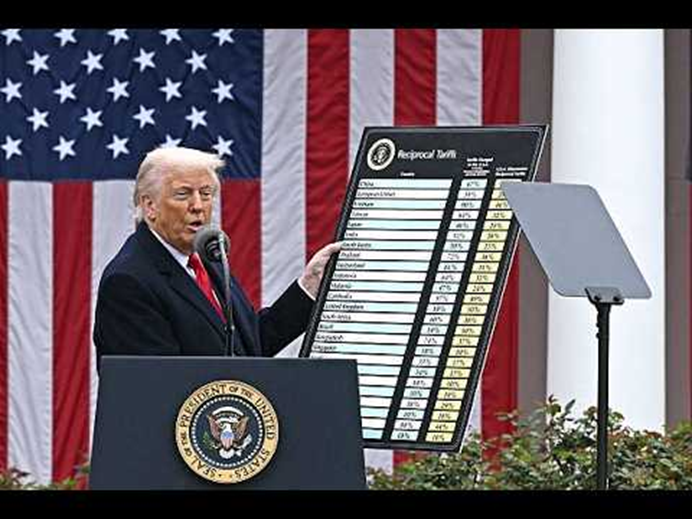
- These new tariffs are imposed under Section 122 of the Trade Act of 1974, which allows the President to address a “serious balance of payments deficit” or “fundamental international payments problems”.
- Trump’s legal team argued before the Supreme Court that Section 122 (not the previously used IEEPA) is the correct statutory tool for such tariffs.
- The move shifts the legal and economic justification from “national emergency” (IEEPA) to balance-of-payments crisis, even though many economists dispute the existence of such a crisis.
Key Features of the New Tariffs
- Rate: 15% across a wide range of imports (replacing the earlier 25–60% tariffs imposed under IEEPA).
- Duration: Up to 150 days (temporary measure).
- Legal Basis: Section 122 of Trade Act 1974 — rarely used since 1974; last significant invocation was in the 1970s under Nixon.
- Scope: Applies to goods trade deficit; aims to correct perceived imbalance in US current account.
- Exemptions/Adjustments: Expected to be negotiated bilaterally (as seen in the India interim deal earlier in February 2026).
Background & Legal Context
- 23 Feb 2026: Supreme Court struck down Trump’s earlier tariffs imposed under IEEPA (International Emergency Economic Powers Act) as exceeding executive authority.
- Trump administration immediately invoked Section 122 as a fallback legal tool.
- US current account deficit is around $1.2 trillion annually, but economists note:
- Goods trade deficit ~4% of GDP.
- US Treasury yields remain stable.
- Dollar remains the world’s reserve currency — deficit is financed easily.
- Critics (including former IMF officials) argue there is no balance-of-payments crisis; the US benefits from the “exorbitant privilege” of the dollar.
Implications for India
- India had secured an interim trade framework in early February 2026, reducing effective US tariffs on Indian exports from 50% to 18% in exchange for commitments on Russian oil and $500 billion purchases.
- The new 15% Section 122 tariffs may apply uniformly or be subject to fresh bilateral negotiations.
- Potential impact on Indian exports (textiles, pharma, steel, gems & jewellery) if the 15% rate is not further reduced.
- India must now decide whether to renegotiate under the new legal framework or challenge it at WTO.
Global & Economic Significance
- Marks a shift from emergency powers to balance-of-payments justification for protectionism.
- Raises questions about compatibility with WTO rules (GATT Article XII allows temporary balance-of-payments restrictions but with strict conditions).
- Increases uncertainty in global trade; may trigger retaliatory measures.
- Strengthens the narrative of deglobalisation and weaponisation of trade policy.
|
For UPSC CSE & State PSC |
|
Prelims |
|
|
|
|
GS-2 (International Relations) |
|
|
|
GS-3 (Economy) |
|
|
|
Essay / Interview |
|
|
Que 1. With reference to the new US tariffs announced on 25 February 2026, consider the following statements:
- They have been imposed under Section 122 of the Trade Act of 1974.
- The tariffs are temporary and valid for up to 150 days.
- The legal justification is a “serious balance of payments deficit”.
Which of the statements given above is/are correct?
(a) 1 only
(b) 1 and 2 only
(c) 2 and 3 only
(d) 1, 2 and 3
Answer: (d)
Que 2. Section 122 of the Trade Act of 1974 primarily deals with:
(a) National security-based tariffs
(b) Balance of payments emergencies
(c) Anti-dumping duties
(d) Intellectual property violations
Answer: (b)
Que 3. The US Supreme Court struck down earlier Trump tariffs imposed under which law on 23 February 2026?
(a) Section 122 of Trade Act 1974
(b) International Emergency Economic Powers Act (IEEPA)
(c) Section 301 of Trade Act 1974
(d) Smoot-Hawley Tariff Act
Answer: (b)
Que 4. Which of the following best describes the current US goods trade deficit as per recent economic analysis?
(a) Less than 2% of GDP
(b) Around 4% of GDP
(c) More than 10% of GDP
(d) In surplus
Answer: (b)
Que 1. “Trump’s shift from IEEPA to Section 122 of the Trade Act 1974 reflects a calculated attempt to legitimise protectionism under the garb of balance-of-payments concerns.” Critically analyse the economic and legal implications of this move for global trade and India. (15 marks / 250 words)
Que 2. Discuss the tension between unilateral US trade measures and the rules-based multilateral trading system under the WTO. How should India respond to the latest 15% tariffs imposed under Section 122? (10 marks / 150 words)
Que 3. “Balance of payments is no longer a crisis for the US, yet it is being used as a justification for tariffs.” Examine this statement in the context of the February 2026 developments and its impact on emerging economies. (15 marks / 250 words)
Que 4. Essay (250 marks) “From emergency powers to balance-of-payments justification: The changing face of American trade protectionism and its consequences for the world economy.”
