2nd March Current Affairs
Why in News?
Iran launched a series of missile and drone strikes on U.S. allies across West Asia on 27 February 2026, vowing revenge for the killing of Supreme Leader Ayatollah Ali Khamenei in an Israeli airstrike. The attacks targeted Israeli positions in the Golan Heights, U.S. bases in Iraq and Syria, and Jordanian military sites, killing several and escalating the region to the brink of open war. 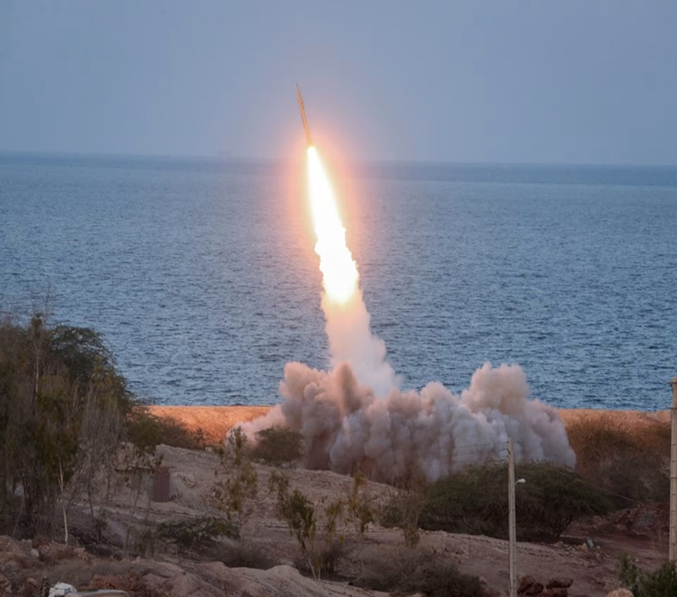
U.S. President Donald Trump warned Iran against retaliation, pledging "non-stop strikes" on its leaders and military if attacks continue. Israeli Prime Minister Benjamin Netanyahu said Israel would deliver "unprecedented blows" to Iran.
Iran's new leadership council — a temporary body — has begun work, with the next Supreme Leader expected to be chosen soon. The strikes mark the most direct Iranian aggression since the 2020 Soleimani killing, amid fears of a wider U.S.–Iran conflict drawing in Gulf allies and disrupting global energy supplies.
Key Developments & Sequence of Events
- Khamenei's Killing: Israeli airstrike on Tehran (26 Feb 2026) killed Khamenei and senior IRGC commanders; Israel called it a "defensive pre-emptive" action against an imminent threat.
- Iran's Response: Over 200 ballistic missiles and drones launched; hits confirmed on:
- Israeli Golan Heights (civilian casualties).
- U.S. bases in Iraq/Syria (5 U.S. troops killed).
- Jordan (air defence site damaged).
- U.S. Stance: Trump said the U.S. will not tolerate attacks on allies; ordered additional carrier groups to Persian Gulf.
- Israel's Retaliation: Immediate airstrikes on Iranian nuclear sites (Natanz, Fordow); Netanyahu warned of "total war" if escalation continues.
- Iranian Leadership Transition: A new council (Assembly of Experts interim) begins work; hardliner Saeed Jalili or Mojtaba Khamenei likely successors.
- Global Reaction: UNSC emergency meeting; China/Russia condemn Israel; EU calls for restraint; oil prices surge to $95/bbl.
Background: Roots of the Crisis
- Iran–Israel Shadow War: Decades of enmity; intensified post-2018 JCPOA withdrawal (Trump 1.0); 2024–25 saw mutual strikes in Syria, Lebanon, and direct April/October exchanges.
- U.S.–Iran Tensions: Trump 2.0 revived "maximum pressure" — sanctions, assassinations; Khamenei's killing seen as U.S.-backed Israeli op.
- Regional Alliances: U.S.–Israel–Gulf (Abraham Accords) vs. Iran–Proxies (Hezbollah, Houthis, PMF).
- Trigger Factors: Iran's uranium enrichment to 90%+ (Feb 2026 IAEA report); alleged IRGC plot against U.S. officials.
Implications
- For West Asia: Risk of multi-front war (Gaza, Lebanon, Iraq, Syria); Gulf states (Saudi, UAE) on high alert; humanitarian crisis escalation.
- Global Economy: Oil prices +20% in 24 hours; Strait of Hormuz threat → global supply chain disruption.
- Nuclear Risk: Iran's "breakout time" reduced to weeks; U.S./Israel may target remaining sites.
- For India:
- Energy Security: 60% oil imports from Gulf; prices could hit $100–120/bbl → inflation, CAD surge.
- Diaspora Safety: ~9 million Indians in Gulf; evacuation plans activated.
- Strategic: Chabahar/INSTC at risk; opportunity to mediate via SCO/BRICS.
- Economic Hit: Remittances (~$100 bn/year from Gulf) threatened; stock markets down 5%.
Prelims
- Key terms: JCPOA, Abraham Accords, IRGC (Islamic Revolutionary Guard Corps).
- Locations: Golan Heights, Natanz, Fordow.
- Related: Strait of Hormuz chokepoint.
GS-2 (International Relations)
- India’s West Asia balancing (Iran vs Israel/US).
- Multi-alignment challenges amid escalation.
GS-3 (Economy & Security)
- Oil price volatility & India's energy security.
- Impact on CAD, inflation, remittances.
GS-2 (Governance)
- Diaspora protection & emergency diplomacy.
Essay / Interview
- “Escalation in West Asia: A test of India’s strategic autonomy.”
- “Global conflicts & energy security: Lessons for India from the Iran crisis.”
1. With reference to the Iran strikes in February 2026, consider the following statements:
- Iran targeted U.S. bases in Iraq and Syria as revenge for Khamenei's killing.
- Trump warned of "non-stop strikes" on Iran's leadership.
- The strikes were Iran's first direct attack on Israel since 2024.
Which of the statements given above is/are correct?
(a) 1 only
(b) 1 and 2 only
(c) 2 and 3 only
(d) 1, 2 and 3
Answer: (b)
2. Natanz and Fordow are associated with which of the following?
(a) Iranian oil refineries
(b) Nuclear enrichment sites
(c) IRGC headquarters
(d) Hezbollah bases
Answer: (b)
3. The JCPOA, often in news, refers to:
(a) Joint Comprehensive Plan of Action on Iran's nuclear programme
(b) Joint Cyber Protection Agreement
(c) Jerusalem Comprehensive Peace Accord
(d) Joint Climate Outlook Assessment
Answer: (a)
4. Which chokepoint's closure would most severely impact global oil supplies in a U.S.–Iran conflict?
(a) Suez Canal
(b) Strait of Hormuz
(c) Malacca Strait
(d) Bab el-Mandeb
Answer: (b)
1. “The killing of Iran's Supreme Leader Khamenei and subsequent strikes have pushed West Asia to the brink of a multi-front war.” Discuss the geopolitical implications and India's strategic response options. (15 marks / 250 words)
2. Analyse the evolution of the Iran–Israel shadow war and the role of the United States in escalating regional tensions. (10 marks / 150 words)
3. “Global energy security is the first casualty of West Asian conflicts.” In the context of the February 2026 Iran strikes, examine the statement and its impact on India's economy. (15 marks / 250 words)
4. Essay (250 marks) “Vengeance and Volatility: The Khamenei Crisis and the Remaking of West Asian Geopolitics – Challenges for India's Multi-Alignment Strategy.”
Why in News?
A groundbreaking study published in Nature Astronomy (March 2023, with renewed attention in February 2026 due to ongoing Mars missions) has identified the Salar de Pajonales in Chile's Atacama Desert as a near-perfect Mars analogue. Researchers discovered fossilized microbes preserved for thousands of years in gypsum crystals, providing crucial insights into how life could persist in Mars' extreme conditions. 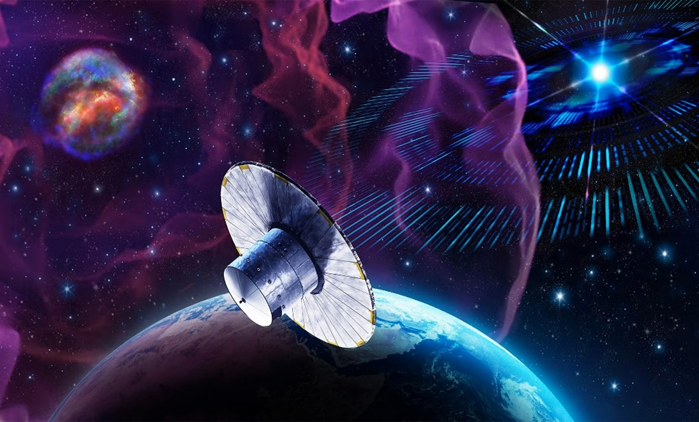
The findings, led by the SETI Institute and involving AI-driven mapping, reinforce the potential for microbial refugia on Mars and guide future astrobiological exploration (e.g., NASA's Perseverance rover). This comes amid heightened global interest in Mars habitability, with India's Mangalyaan-2 and ISRO's Mars Sample Return plans in discussion.
Key Findings of the Study
- Site Description: Salar de Pajonales is a hypersaline, high-UV, hyperarid salt flat at 3,517 m elevation in Chile's Atacama Desert — mimicking Mars' ancient lakes and current polar regions.
- Microbial Discovery: Gypsum (CaSO₄·2H₂O) crystals contain biosignatures (fossilized microbes, organic compounds) from 4,000–6,000 years ago.
- Spatial separation: Living microbes in surface layers; ancient fossils in deeper zones.
- Methodology: Combined microbial ecology surveys, drone remote sensing, and machine learning to map biosignature distribution with 75–95% accuracy.
- Implications for Mars: Gypsum's protective qualities suggest it could entomb Martian microbes; prime target for Perseverance & future missions.
- AI Role: Machine learning codified "intuition" for locating life in polyextreme environments — scalable to Mars data.
About Salar de Pajonales
- Location: Atacama Desert, Chile (boundary of High Andes & Altiplano-Puna plateau).
- Environment: Hyperarid (driest non-polar desert), high UV radiation, extreme diurnal temperature swings (-10°C to +30°C), hypersaline soils.
- Mars Analogue Traits:
- Gypsum-dominated stromatolites (microbial-layered rocks) similar to Martian paleolakes.
- No surface water; subsurface brines sustain cryptic life.
- Scientific Value: Window into Mars' "last oases" ~3–4 billion years ago when liquid water disappeared.
Broader Significance
- Astrobiology Breakthrough: Proves life can persist in Mars-like extremes; guides search for biosignatures in Jezero Crater (Perseverance site).
- Climate & Ecology Insights: Demonstrates gypsum's role in preserving ancient life — relevant for Earth's paleo-climate studies.
- AI in Exploration: Protocol for AI-guided biosignature mapping on Mars/Europa/Titan.
- Global Missions Link: Supports NASA's Artemis, ESA's ExoMars, China's Tianwen; India's potential Mars-2 (orbiter + rover by 2028).
- For India: Boosts ISRO's astrobiology ambitions; lessons for Ladakh's high-altitude analogues (Hanle, Pangong Tso).
Prelims
- Key terms: Mars Analogue, Gypsum (CaSO₄·2H₂O), Stromatolites, Astrobiology, SETI Institute.
- Locations: Atacama Desert (Chile), Jezero Crater (Mars).
- Related: Perseverance Rover, Mangalyaan-1/2.
GS-3 (Science & Technology)
- AI in space exploration & microbial ecology.
- Extraterrestrial life search methodologies.
GS-1 (Geography)
- Extreme environments & analogues (Atacama as Mars proxy).
- Paleo-climate & biosignatures.
GS-3 (Environment)
- Microbial resilience in polyextreme conditions.
- Link to biodiversity conservation.
Essay / Interview
- “Earth's extremes as windows to extraterrestrial life: Lessons from Salar de Pajonales.”
- “Can AI unlock the secrets of life on Mars?”
1. With reference to the Salar de Pajonales study (highlighted in February 2026), consider the following statements:
- It is located in Chile's Atacama Desert and serves as a Mars analogue due to its hyperarid conditions.
- Researchers found fossilized microbes preserved in gypsum crystals for thousands of years.
- The study used AI and drone sensing to map biosignatures with high accuracy.
Which of the statements given above is/are correct?
(a) 1 only
(b) 1 and 2 only
(c) 2 and 3 only
(d) 1, 2 and 3
Answer: (d)
2. Stromatolites, mentioned in the Salar de Pajonales research, are:
(a) Volcanic rock formations
(b) Layered microbial structures
(c) Salt crystals
(d) Meteorite fragments
Answer: (b)
3. Which mineral in Salar de Pajonales is highlighted for preserving ancient biosignatures?
(a) Quartz
(b) Gypsum
(c) Halite
(d) Calcite
Answer: (b)
4. The Salar de Pajonales is an analogue for which Martian feature?
(a) Polar ice caps
(b) Ancient lakes and hypersaline environments
(c) Volcanic plains
(d) Dust storms
Answer: (b)
1. “Earth's extreme environments like Salar de Pajonales provide invaluable analogues for understanding potential life on Mars.” Discuss the key findings of the recent study and their implications for astrobiology and space exploration. (15 marks / 250 words)
2. Examine the role of AI and remote sensing in modern ecological studies, with reference to the Salar de Pajonales biosignature mapping. (10 marks / 150 words)
3. “Microbial life in gypsum offers hope for extraterrestrial biosignatures but challenges our search strategies.” Critically analyse this statement in the context of Mars missions like Perseverance. (15 marks / 250 words)
4. Essay (250 marks) “From Atacama to Mars: How Terrestrial Analogues Are Unlocking the Mysteries of Extraterrestrial Life.”
Why in News?
The Sixteenth Finance Commission (16th FC), constituted under Article 280, has come under scrutiny in a recent analysis (February 2026) for its upward revision of FY26 GDP growth to 7.6% while downward revising nominal GDP size — a move that eases the fiscal deficit-to-GDP ratio but raises concerns over unequal devolution, state fiscal autonomy, and long-term debt sustainability.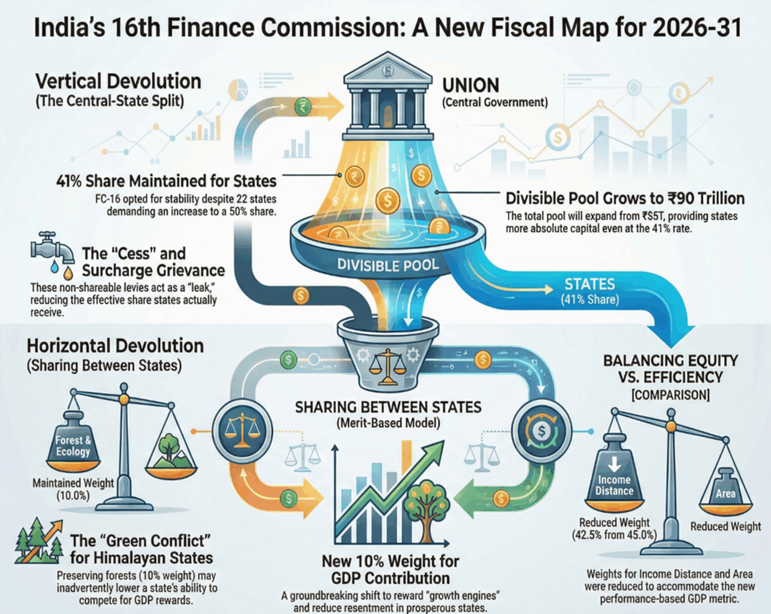
The Commission, chaired by Dr Arvind Panagariya, is tasked with recommending tax devolution for 2026–31. Critics argue it misses addressing core imbalances in vertical (Centre-State) and horizontal (among States) sharing, amid rising central cesses/surcharges that reduce the divisible pool. This comes as the Centre's fiscal space improves, but States face revenue constraints, highlighting tensions in India's fiscal federalism.
Key Highlights from the 16th FC Analysis
- GDP Revisions: Real GDP growth upgraded to 7.6% (from 7.3%); nominal GDP downward to 6.9% (₹3.33 lakh crore vs ₹3.35 lakh crore earlier) → smaller economy size aids steeper deficit reduction (to ~5.1% FY26).
- Vertical Devolution: Centre's share of tax receipts as a proportion of GDP is expected to rise; critics say it erodes States' share (current effective 32–35% vs recommended 41%).
- Horizontal Concerns: Formula for inter-State distribution (population, area, fiscal capacity) may not adequately address inequality; poorer States like Bihar, UP get less per capita.
- Cesses/Surcharges Issue: Centre's non-divisible cesses rose to 18% of gross tax revenue (2025) — reducing divisible pool by ₹2.5 lakh crore annually.
- Fiscal Deficit Path: Steeper reduction possible due to revisions, but States' debt-to-GSDP remains high (28–30%).
- Misses Identified:
- No focus on equalising per-capita grants.
- Ignores urbanisation pressures on State finances.
- Lacks innovation in revenue augmentation for States.
Background: Finance Commission & Fiscal Federalism
- Constitutional Mandate: Article 280 — President constitutes FC every 5 years to recommend:
- Vertical devolution (Centre-State tax share).
- Horizontal distribution (among States based on population, area, fiscal capacity, etc.).
- Grants-in-aid to States.
- 16th FC (2024–26): Chaired by Arvind Panagariya; term 2026–31; focus on post-GST fiscal architecture.
- Evolution:
- 15th FC (2021–26): Recommended 41% State share; introduced revenue deficit grants.
- Trend: Centre's effective share rising due to cesses (not shared).
- Fiscal Federalism Challenges: Centre controls ~65% revenue but States bear 60% expenditure (health, education); imbalance worsened by GST (States lost taxing powers).
Implications
- Positive: Upward growth revision boosts investor confidence; fiscal space for capex (₹11 lakh crore FY26 budget).
- Concerns:
- Inequality: Richer States (MH, TN) benefit more; poorer States lag in per-capita income.
- Debt Sustainability: States' debt >28% GSDP; Centre's lower deficit shifts burden.
- Centralisation Risk: Rising cesses erode federal spirit; States demand 50% share.
- Economic Impact: Slower nominal growth reduces absolute revenue; affects welfare spending.
- For India: Reinforces need for cooperative federalism; potential GST Council reforms.
Prelims
- Article 280: Finance Commission constitution.
- 16th FC Chair: Arvind Panagariya.
- Vertical Devolution: 41% (15th FC recommendation).
- Related: GST, Fiscal Deficit, GSDP.
GS-2 (Polity & Governance)
- Fiscal federalism & Centre-State relations.
- Role of Finance Commission in equitable resource distribution.
GS-3 (Economy)
- GDP estimation (real vs nominal).
- Fiscal deficit management & debt sustainability.
GS-2 (Social Justice)
- Inter-State inequality & per-capita grants.
Essay / Interview
- “Fiscal federalism in India: Balancing growth with equity.”
- “Does the 16th FC's approach deepen Centre-State fiscal divide?”
1. With reference to the Sixteenth Finance Commission, consider the following statements:
- It is chaired by Arvind Panagariya and covers the period 2026–31.
- The Commission has upgraded FY26 real GDP growth estimate to 7.6%.
- The downward nominal GDP revision has no impact on fiscal deficit-to-GDP ratio.
Which of the statements given above is/are correct?
(a) 1 only
(b) 1 and 2 only
(c) 2 and 3 only
(d) 1, 2 and 3
Answer: (b)
2. The Finance Commission is constituted under which Article of the Indian Constitution?
(a) Article 280
(b) Article 281
(c) Article 279
(d) Article 282
Answer: (a)
3. Which of the following is NOT a criterion for horizontal devolution among States by the Finance Commission?
(a) Population
(b) Area
(c) Fiscal capacity
(d) Defence expenditure
Answer: (d)
4. The increase in Centre's cesses and surcharges primarily affects:
(a) Vertical devolution to States
(b) Horizontal distribution among States
(c) Grants-in-aid
(d) State borrowing limits
Answer: (a)
1. “The Sixteenth Finance Commission's revisions for FY26 highlight the tension between fiscal consolidation and equitable federalism.” Critically examine the implications of the upward growth and downward nominal GDP estimates for Centre-State relations. (15 marks / 250 words)
2. Discuss the role of the Finance Commission in addressing inter-State fiscal inequalities. What are the key misses in the 16th FC's approach? (10 marks / 150 words)
3. “Rising cesses and surcharges are eroding the spirit of cooperative federalism in India.” In light of recent Finance Commission trends, analyse the statement and suggest reforms. (15 marks / 250 words)
4. Essay (250 marks) “Fiscal Federalism in India: From Devolution to Disparity – Challenges and Reforms for Equitable Growth.”
Why in News?
A recent CAG (Comptroller and Auditor General) report, tabled in Parliament on 27 February 2026, has exposed major inefficiencies in India's flagship skilling programme, Pradhan Mantri Kaushal Vikas Yojana (PMKVY), describing it as a "Galgotian blunder" with low placement rates, poor fund utilisation, and inadequate targeting. 
The report audited PMKVY 2015–2023 and found only 10–15% trained candidates placed in jobs, with ₹2,000 crore unutilised. This comes amid India's push for Viksit Bharat by 2047, where skilling 400 million youth is critical to harnessing the demographic dividend. The findings have triggered calls for AI-driven reforms, better monitoring, and a shift from quantity to quality in skill development.
Key Highlights from the CAG Report
- Placement Crisis: Only 10–15% of certified trainees secured jobs; in some states like Bihar and Uttar Pradesh, <5%.
- Fund Utilisation: ~₹2,000 crore (20% of allocation) unspent or diverted; irregularities in ~30% training centres (fake enrolments, ghost beneficiaries).
- Targeting Issues: Focus on quantity over quality; rural/ women/ SC-ST coverage low (~30–40% target met); mismatch between skills taught and market needs (e.g., overemphasis on basic IT, neglect of emerging sectors like AI/green jobs).
- Infrastructure Gaps: 40% training centres lacked proper facilities; high dropout rates (25–30%) due to poor quality.
- Overall Performance: PMKVY trained ~1.4 crore (target 2 crore); but employability impact minimal, with many reverting to informal jobs.
- Recommendations: AI for skill mapping, periodic audits, industry-linked curricula, focus on upskilling/reskilling, and integration with NEP 2020.
Background: Skill India Initiative
- Launched: 2015 under National Skill Development Mission; flagship PMKVY (now in Phase 4.0).
- Objective: Skill 400 million by 2022 (revised to 2030); bridge employability gap in a youth-heavy population (65% under 35).
- Key Components:
- PMKVY: Short-term training (3–6 months) in 40+ sectors.
- Institutions: NSDC (National Skill Development Corporation), Sector Skill Councils (SSCs), ITIs.
- Funding: ₹12,000 crore (2015–2023); public-private partnership model.
- Achievements: Trained ~1.4 crore; created 500+ SSCs; aligned with Make in India.
- Historical Context: India's skilling lag stems from colonial education focus on clerical jobs; post-1991 liberalisation exposed skill gaps; NEP 2020 integrates vocational education from Class 6.
Implications & Challenges
- Economic Impact: With ~10 million youth entering workforce annually, poor skilling risks unemployment spike (current ~8%); hampers GDP growth (skilling could add 1–2% annually per NITI Aayog).
- Social Angle: Exacerbates inequality; rural/women/SC-ST youth worst affected; links to migration, urban slums.
- Global Comparison: Croatia's model (industry-vocational integration, 70% placement) highlighted as benchmark.
- Challenges:
- Mismatch: Skills outdated vs. Industry 4.0 needs (AI, robotics).
- Quality: Fake centres, low trainer standards.
- Monitoring: Weak CAG-audited systems.
- Funding: Over-reliance on government; private sector hesitant.
- Positive Note: Reforms like Skill India Digital Hub (SIDH) and NEP's vocational focus could address gaps.
Prelims
- Key terms: PMKVY, NSDC, SSCs, CAG Audit.
- Data: Trained 1.4 crore; placement 10–15%.
- Related: NEP 2020 (vocational from Class 6), Demographic Dividend.
GS-2 (Governance & Social Justice)
- Skill development as tool for inclusive growth.
- Centre-State coordination in education/skilling (Concurrent List).
GS-3 (Economy)
- Employability gap & labour market reforms.
- Impact on unemployment, GDP, manufacturing.
GS-2 (Polity)
- CAG's role in accountability (Article 148).
Essay / Interview
- “Skill India: From Herculean Promises to Galgotian Realities – Reforming for Viksit Bharat.”
- “Can AI and industry integration fix India's skilling crisis?”
1. With reference to the recent CAG report on Skill India (February 2026), consider the following statements:
- Placement rates under PMKVY were only 10–15%.
- Around ₹2,000 crore of allocated funds remained unutilised.
- The report recommended AI for skill mapping and periodic audits.
Which of the statements given above is/are correct?
(a) 1 only
(b) 1 and 2 only
(c) 2 and 3 only
(d) 1, 2 and 3
Answer: (d)
2. PMKVY is a flagship scheme under which ministry?
(a) Ministry of Education
(b) Ministry of Skill Development & Entrepreneurship
(c) Ministry of Labour & Employment
(d) Ministry of Human Resource Development
Answer: (b)
3. Which of the following is NOT a key criticism of Skill India in the CAG report?
(a) Low job placement rates
(b) Poor fund utilisation
(c) Overemphasis on rural skilling
(d) Mismatch between skills and market needs
Answer: (c)
4. The National Skill Development Corporation (NSDC) was established in:
(a) 2008
(b) 2010
(c) 2015
(d) 2020
Answer: (b)
1. “The CAG report on Skill India exposes systemic blunders that threaten India's demographic dividend.” Critically analyse the key findings and suggest reforms to make skilling programmes more effective and market-oriented. (15 marks / 250 words)
2. Discuss the role of CAG audits in ensuring accountability in flagship schemes like PMKVY. How can technology like AI address the identified gaps? (10 marks / 150 words)
3. “Skill development in India needs a shift from quantity to quality to align with Viksit Bharat goals.” In light of the recent CAG report, examine the statement and propose a multi-stakeholder approach for reform. (15 marks / 250 words)
4. Essay (250 marks) “Skill India: Bridging the Gap Between Aspiration and Achievement in a Demographic Dividend Economy.”
Why in News?
On 28 February 2026, the University Grants Commission (UGC) notified new regulations titled "Promotion of Equity in Higher Educational Institutions Regulations, 2026", aimed at ensuring quick justice for complaints related to discrimination, ragging, harassment, and inequities in colleges and universities.
The rules require institutions to acknowledge complaints within 24 hours and resolve them within 15 days, with strict penalties for non-compliance. This comes amid rising concerns over caste, gender, and regional biases in campuses, as highlighted by incidents like ragging deaths and discrimination against marginalised students. Experts like Eugene Dominic (former UGC member) and Ahmad Khan (JNU professor) have welcomed the move as a step towards "true equity," though concerns remain over implementation in resource-poor institutions.
The regulations build on UGC's earlier guidelines (e.g., 2012 anti-ragging rules, 2016 equity guidelines) and align with NEP 2020's emphasis on inclusive education. 
Key Provisions of the UGC Regulations 2026
- Scope: Applies to all higher educational institutions (HEIs) — central, state, deemed, private — covering complaints on caste, creed, religion, gender, disability, region, language, etc.
- Quick Acknowledgment: Complaints must be acknowledged within 24 hours (via email/SMS); non-response attracts penalties.
- Resolution Timeline: Full inquiry and redressal within 15 days; appeals to ombudsman within 30 days.
- Grievance Mechanism:
- Mandatory Student Grievance Redressal Committee (SGRC) with diverse representation (students, faculty, admin).
- Online portal for filing complaints; anonymous options for sensitive cases.
- Counselling and mediation before formal action.
- Focus on Marginalised Groups: Special protections for SC/ST/OBC, minorities, women, PwD, northeastern students; zero tolerance for ragging/harassment.
- Penalties: Fines up to ₹1 lakh per violation; repeat offenders face funding cuts, derecognition, or UGC blacklisting.
- Monitoring: HEIs must submit annual compliance reports; UGC to conduct audits.
- Novel Aspects: AI-driven complaint tracking (optional); tie-up with mental health helplines; awareness campaigns.
Background & Rationale
- Rising Campus Inequities: NCRB data (2024) shows ~1,500 ragging cases annually; suicides due to discrimination up 20% in 2023–25 (e.g., IITs, central universities).
- Legal Imperative: Builds on SC judgments (Vishaka guidelines on harassment, 2024 ragging case), Articles 14 (equality), 15 (non-discrimination), 21 (dignity).
- NEP 2020 Link: Promotes "equitable and inclusive" education; addresses dropout rates among marginalised (SC/ST ~25% higher than general).
- Global Context: Aligns with UN SDGs (4: Quality Education, 5: Gender Equality, 10: Reduced Inequalities).
Significance for India
- Inclusive Education: Empowers vulnerable students; reduces dropouts, promotes diversity.
- Quick Justice: Shifts from prolonged inquiries (often 6–12 months) to speedy resolution, deterring offenders.
- Institutional Accountability: Forces HEIs to prioritise equity; links funding to compliance.
- Social Impact: Addresses caste/gender/regional biases; fosters national integration.
- Challenges: Resource strain on small colleges; potential misuse of complaints; enforcement gaps in private institutions.
Prelims
- Key terms: UGC Regulations 2026, Student Grievance Redressal Committee (SGRC), Anti-Ragging Guidelines.
- Constitutional Links: Articles 14, 15, 21.
- Related: NEP 2020 (inclusive education), UGC (est. 1956).
GS-2 (Polity & Governance)
- Equity in education & grievance redressal mechanisms.
- Centre-State dynamics in higher education (Concurrent List).
GS-2 (Social Justice)
- Addressing discrimination against marginalised groups.
- Gender & caste equity in institutions.
GS-3 (Economy)
- Human capital development through inclusive skilling.
Essay / Interview
- “Quick justice in campuses: A necessity for equitable higher education in India.”
- “How can UGC regulations bridge the gap between policy and practice in promoting campus equity?”
1. With reference to UGC's 2026 Equity Regulations, consider the following statements:
- Complaints must be acknowledged within 24 hours.
- Resolution must be completed within 15 days.
- The regulations apply only to central universities.
Which of the statements given above is/are correct?
(a) 1 only
(b) 1 and 2 only
(c) 2 and 3 only
(d) 1, 2 and 3
Answer: (b)
2. The UGC Regulations 2026 primarily aim to promote equity in higher education by addressing complaints related to:
(a) Fee structures only
(b) Caste, gender, religion, disability, and ragging
(c) Faculty recruitment (
d) Curriculum design
Answer: (b)
3. Which constitutional article is NOT directly linked to the principles behind UGC's equity regulations?
(a) Article 14 (Equality)
(b) Article 15 (Non-discrimination)
(c) Article 21 (Dignity & Liberty)
(d) Article 19 (Freedom of Speech)
Answer: (d)
4. The Student Grievance Redressal Committee (SGRC) under UGC regulations must include representation from:
(a) Students, faculty, and administration
(b) Only faculty members
(c) Only students
(d) External experts only
Answer: (a)
1. “The UGC's 2026 Equity Regulations represent a timely intervention to ensure quick justice in higher education institutions.” Discuss the key provisions and their potential impact on promoting inclusive campuses in India. (15 marks / 250 words)
2. Examine the challenges in implementing grievance redressal mechanisms in Indian HEIs. How do the new UGC rules address these? (10 marks / 150 words)
3. “Equity in education is foundational to social justice in a diverse democracy like India.” In light of the UGC 2026 regulations, critically analyse the statement and suggest measures to strengthen anti-discrimination frameworks. (15 marks / 250 words)
4. Essay (250 marks) “From Complaint to Justice: Reforming Higher Education for Equity and Inclusion in India.”
Why in News?
On 27 February 2026, Iran launched a massive barrage of over 200 ballistic missiles and drones targeting U.S. allies across West Asia — including Israeli positions in the Golan Heights, U.S. bases in Iraq and Syria, and sites in Jordan — in retaliation for the killing of Supreme Leader Ayatollah Ali Khamenei in an Israeli airstrike.
Iran's state media called it a "defensive counterstrike," vowing more if escalation continues. U.S. President Donald Trump warned of "non-stop strikes" on Iran's leadership, while Israeli PM Benjamin Netanyahu pledged "unprecedented blows." The attacks mark Iran's most diverse and long-range display of missile/drone capabilities since the 2020 Soleimani retaliation, amid fears of a regional war disrupting global energy supplies and drawing in Gulf states.
Key Highlights of Iran's Arsenal (From the Strikes) 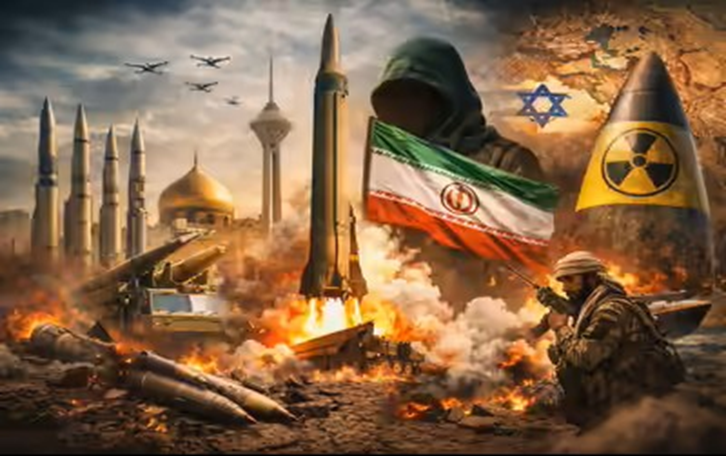
- Ballistic Missiles:
- Soumar: 3,000 km range; cruise missile; Iran-make.
- Sejjil: 2,000 km; solid-fuel ballistic; Iran-make.
- Shahab-3: 1,300 km; liquid-fuel ballistic; Iran-make.
- Zolfaghar: 700 km; solid-fuel ballistic; Iran-make.
- Tondar 69: 150 km; short-range ballistic; China-make.
- Medium-Range Missiles:
- Fattah-1/2: 1,400 km hypersonic ballistic; Iran-make (Mach 5+ speed).
- Emad: 1,700 km; liquid-fuel ballistic; Iran-make.
- Hoveizeh: 1,350 km; cruise missile; Iran-make.
- Haj Qasem: 1,400 km; ballistic; Iran-make.
- UAVs (Drones): Variety of military drones & precision strike UAVs, some reportedly acquired from Ukraine/Russia with ranges up to 3,000 km.
- Stockpile Growth: Iran's arsenal has grown since the 1980s Iran-Iraq War; now includes hypersonic & solid-fuel tech for rapid launch.
- Strike Details: Used mix of short/medium-range for precision; bypassed some air defences; caused civilian & military casualties.
Background & Context
- Iran's Missile Programme: Born from 1980s war needs; now a core deterrent against US/Israel. Post-JCPOA withdrawal (2018), Iran accelerated hypersonic & precision tech.
- Recent Escalations: Khamenei's killing (26 Feb 2026) followed months of shadow war (Israel strikes on IRGC in Syria/Lebanon; Iran proxy attacks on US bases).
- US–Iran Tensions: Trump 2.0 revived "maximum pressure"; Soleimani parallel (2020) but Khamenei strike is unprecedented.
- Israel–Iran Rivalry: Existential for Israel (Iran's nuclear threat); Iran views Israel as "Little Satan."
- Global Factors: Russia–Ukraine war aided Iran's drone tech; China provides components; sanctions limit but not halt programme.
Implications
- For West Asia: Risks multi-front war (Gaza, Lebanon, Iraq); Gulf states (Saudi, UAE) vulnerable; humanitarian crisis.
- Global Economy: Oil prices +15% to $90/bbl; Hormuz Strait threat → supply shock.
- Nuclear Escalation: Iran may accelerate breakout (enrichment >60%); US/Israel target sites.
- For India:
- Energy Crisis: 60% oil from Gulf; prices could hit $100–120/bbl → inflation, CAD surge.
- Diaspora: ~9 million in Gulf; evacuation prep.
- Strategic: Chabahar/INSTC at risk; opportunity for mediation via SCO.
- Economic: Remittances (~$100 bn/year) threatened; markets volatile.
Prelims
- Key missiles: Soumar (3,000 km), Fattah (hypersonic), Shahab-3 (1,300 km).
- Terms: JCPOA, IRGC, Hormuz Strait.
- Related: Abraham Accords.
GS-2 (IR)
- India’s West Asia balancing.
- Multi-alignment challenges.
GS-3 (Security)
- Missile tech & proliferation.
- Asymmetric warfare (drones/missiles).
GS-3 (Economy)
- Oil volatility impact on India.
Essay / Interview
- “Missile diplomacy in West Asia: From deterrence to escalation.”
- “How does West Asian instability test India’s energy security?”
1. With reference to Iran's missile arsenal highlighted in February 2026, consider the following statements:
- The Soumar missile has a range of 3,000 km and is Iran's longest-range cruise missile.
- The Fattah-1/2 is a hypersonic ballistic missile capable of exceeding Mach 5.
- All of Iran's major missiles are indigenously developed without foreign assistance.
Which of the statements given above is/are correct?
(a) 1 only
(b) 1 and 2 only
(c) 2 and 3 only
(d) 1, 2 and 3
Answer: (b)
2. The JCPOA, often in news regarding Iran, stands for:
(a) Joint Comprehensive Plan of Action
(b) Joint Cyber Protection Agreement
(c) Jerusalem Comprehensive Peace Accord
(d) Joint Climate Outlook Assessment
Answer: (a)
3. Iran's strikes in February 2026 were primarily in retaliation for the killing of:
(a) Qasem Soleimani
(b) Ayatollah Ali Khamenei
(c) Hassan Nasrallah
(d) Ismail Haniyeh
Answer: (b)
4. Which of the following is NOT a medium-range missile in Iran's arsenal?
(a) Emad (1,700 km)
(b) Hoveizeh (1,350 km)
(c) Tondar 69 (150 km)
(d) Haj Qasem (1,400 km)
Answer: (c)
1. “Iran's diverse missile and drone arsenal has transformed it from a regional actor to a formidable deterrent power.” Discuss the evolution of Iran's capabilities and their implications for West Asian stability. (15 marks / 250 words)
2. Analyse the impact of the Khamenei killing and Iran's retaliatory strikes on global energy markets and India's economic security. (10 marks / 150 words)
3. “The US–Iran–Israel triangle is a powder keg with global fallout.” In the context of February 2026 events, critically examine the statement and suggest India's diplomatic response. (15 marks / 250 words)
4. Essay (250 marks) “Missiles Over Diplomacy: The Escalating Arms Race in West Asia and Its Global Repercussions.”
Why in News?
The Odisha Forest Department announced that Debrigarh Wildlife Sanctuary (Bargarh district) will host the second edition of the two-day ‘Indian Bison Fest’ in early March 2026.
The festival aims to raise awareness about the conservation status of the Indian Bison (Gaur) — the state animal of Goa and one of the largest wild bovids in Asia — while promoting eco-tourism and community participation in wildlife protection. The first edition (2025) was a success in terms of local engagement and visitor footfall; the 2026 event is expected to be larger, with participation from wildlife experts, tribal communities, and tourists.
This initiative comes amid renewed national focus on protecting vulnerable large mammals and integrating biodiversity conservation with sustainable livelihoods in Odisha’s Western Ghats–Eastern Ghats transition zone. 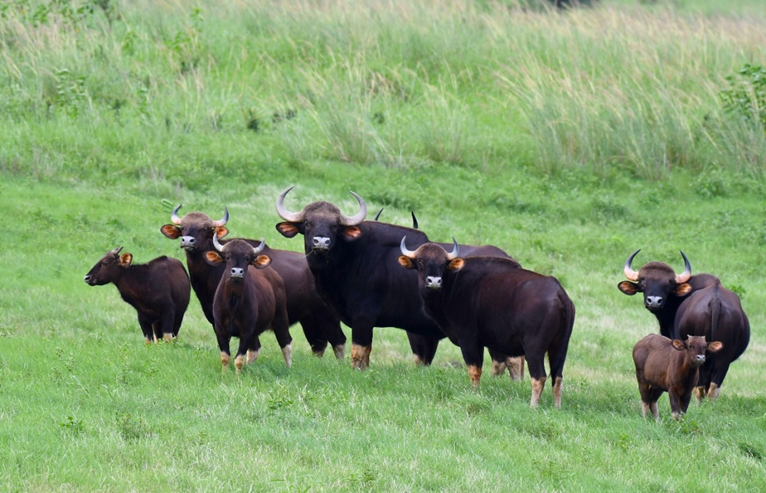
About the Indian Bison (Gaur) – Bos gaurus
- Common Name: Gaur, Indian Bison
- IUCN Red List: Vulnerable (VU) – population declining due to habitat loss, poaching, disease from livestock, and human–wildlife conflict
- Physical Features: Largest extant wild bovine; adult males weigh 700–1,500 kg, stand 1.7–2.2 m at shoulder; distinctive high grey ridge on forehead between curved horns
- Distribution: South & Southeast Asia (India, Nepal, Bhutan, Bangladesh, Myanmar, Thailand, Malaysia, Cambodia, Laos, Vietnam, southern China)
- Preferred Habitat: Evergreen, semi-evergreen, moist deciduous forests with open grasslands; hilly terrains up to 1,500–1,800 m; require large undisturbed tracts and water sources
- Conservation Status in India: Schedule I (highest protection) under Wildlife (Protection) Act, 1972
- Threats in Odisha: Habitat fragmentation due to mining, agriculture, and irrigation projects; retaliatory killing due to crop damage
Significance of Indian Bison Fest 2026
- Conservation Awareness: Highlights Gaur as a flagship species; educates on threats (habitat loss, poaching, disease transmission from livestock).
- Eco-Tourism Boost: Promotes Debrigarh as a biodiversity hotspot; expected to increase footfall and revenue for local communities.
- Community Engagement: Involves tribal groups (Gond, Binjhal) in festival planning and eco-tourism activities, promoting livelihoods.
- Biodiversity Showcase: Bird-watching, nature trails, cultural programmes, and Gaur-tracking sessions planned.
- Link to State Policy: Aligns with Odisha’s Eco-Tourism Policy 2022 and Wildlife Conservation Strategy.
Prelims
- Sanctuary: Debrigarh Wildlife Sanctuary (Bargarh, Odisha)
- Associated Dam: Hirakud (longest earthen dam in world)
- Historical Figure: Veer Surendra Sai
- Species: Gaur (Indian Bison) – IUCN Vulnerable
- Vegetation: Mixed & dry deciduous forest
GS-3 (Environment & Ecology)
- Conservation of Vulnerable species (Gaur)
- Role of protected areas in Western Ghats–Eastern Ghats transition zone
- Eco-tourism as sustainable development tool
GS-1 (Geography & Society)
- Hirakud Dam geography & Mahanadi basin
- Tribal communities & forest rights in sanctuaries
GS-2 (Governance)
- Integration of wildlife conservation with local livelihoods
- Role of state-level festivals in biodiversity awareness
Essay / Interview
- “Eco-tourism & community participation: Can festivals like Indian Bison Fest save India’s flagship species?”
- “Protected areas in transition zones: Balancing conservation with development in Odisha.”
1. With reference to Debrigarh Wildlife Sanctuary, consider the following statements:
- It is situated in Bargarh district of Odisha near the Hirakud Dam.
- The sanctuary served as a base for freedom fighter Veer Surendra Sai during his rebellion.
- It is part of the Nilgiri Biosphere Reserve.
Which of the statements given above is/are correct?
(a) 1 and 2 only
(b) 2 and 3 only
(c) 1 and 3 only
(d) 1, 2 and 3
Answer: (a)
2. The Indian Bison (Gaur) is classified as which of the following by IUCN?
(a) Least Concern
(b) Near Threatened
(c) Vulnerable
(d) Endangered
Answer: (c)
3. Which of the following is NOT a major fauna species found in Debrigarh Wildlife Sanctuary?
(a) Indian Leopard
(b) Sloth Bear
(c) Chousingha (Four-horned Antelope)
(d) One-horned Rhinoceros
Answer: (d)
4. The Indian Bison Fest is organised in which wildlife sanctuary?
(a) Simlipal Wildlife Sanctuary
(b) Debrigarh Wildlife Sanctuary
(c) Bhitarkanika Wildlife Sanctuary
(d) Satkosia Tiger Reserve
Answer: (b)
1. “The Indian Bison Fest in Debrigarh Wildlife Sanctuary exemplifies the integration of conservation, eco-tourism, and community participation.” Discuss its significance and potential for replication in other biodiversity hotspots. (15 marks / 250 words)
2. Analyse the ecological importance of the Indian Bison (Gaur) in forest ecosystems. What are the major threats to its survival in India, and how can protected areas like Debrigarh contribute to its conservation? (10 marks / 150 words)
3. “Protected areas in transition zones between Eastern and Western Ghats face unique conservation challenges.” In the context of Debrigarh Wildlife Sanctuary, examine the statement and suggest measures for sustainable management. (15 marks / 250 words)
4. Essay (250 marks) “From Sanctuary to Festival: How Community-Led Initiatives Can Save India’s Flagship Species and Strengthen Biodiversity Conservation.”
CLICK HERE to download the PDF
