2nd March Editorials & Articles
UPSC 360°
The Hindu Unwrapped – Daily Current Affairs Mastery for UPSC CSE (Clear that it’s based on The Hindu editorials / news analyses – very aspirant-friendly)
|
Significance |
|
Tehran’s evolution from ancient settlement to modern Islamic Republic symbolizes Iran’s civilizational depth, political transformation, and ideological resilience. Its history reflects shifts from monarchy to theocracy, modernization to revolution, and tradition to contemporary contestation. Understanding Tehran illuminates regional geopolitics, state–society tensions, and enduring struggles between reform, authority, and identity today. |
“Tehran Through Time: From Ancient Settlement to Islamic Republic and Today’s Challenges”
Introduction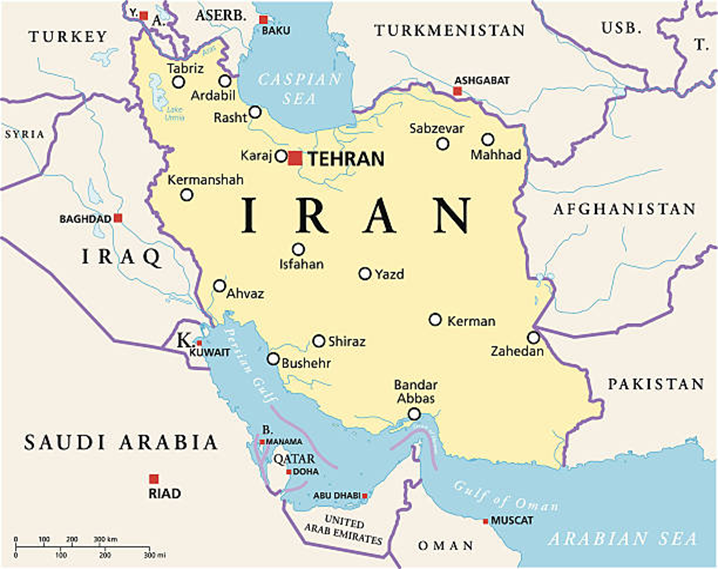
- Tehran, the pulsating heart of modern Iran, stands as a living chronicle of Persian civilization — evolving from a modest medieval village to the political, cultural, and economic epicentre of one of the world's most strategically significant nations.
- Its trajectory mirrors Iran's broader historical journey: from ancient settlements and imperial grandeur through dynastic transformations, revolutionary upheaval, and the complex challenges of the 21st century.
Today, as Iran navigates international isolation, domestic protests, and regional tensions, Tehran remains both a symbol of resilience and a mirror to the nation's unresolved contradictions between tradition and modernity, clerical authority and popular aspirations. - Understanding Tehran's evolution provides critical insights into Iran's geopolitical positioning, which directly influences India's energy security, strategic autonomy, and West Asia policy.
Ancient and Medieval Origins of Tehran
- Tehran's earliest historical mentions trace back to the 11th century, when it was described as a small village located north of the ancient and far more prominent city of Ray (also known as Rhages or Raghā), which today forms a southern suburb of the modern metropolis.
- Ray itself boasts one of the oldest continuous settlements in the region, with archaeological evidence of human habitation dating as far back as 6000 BCE, making the greater Tehran area one of the cradles of early Iranian urbanization.
- By the 12th and 13th centuries, Tehran began to emerge as a modest market town, benefiting from its strategic location along important trade routes connecting the Iranian plateau to the Caspian Sea and Central Asia.
- Its growth was driven by fertile agricultural lands and proximity to mountain pastures, which supported livestock and trade. The Mongol invasion of 1220 CE devastated Ray, leading to a gradual shift of population and economic activity towards Tehran.
- By the late medieval period, Tehran had transformed into a regional centre known for its produce, textiles, and as a stopover for caravans.
- This early phase laid the foundation for Tehran's future expansion, reflecting the resilience of Persian urban centres despite repeated invasions and political upheavals that shaped the broader Iranian plateau.
Becoming Capital: Qajar and Pahlavi Eras (1786–1979)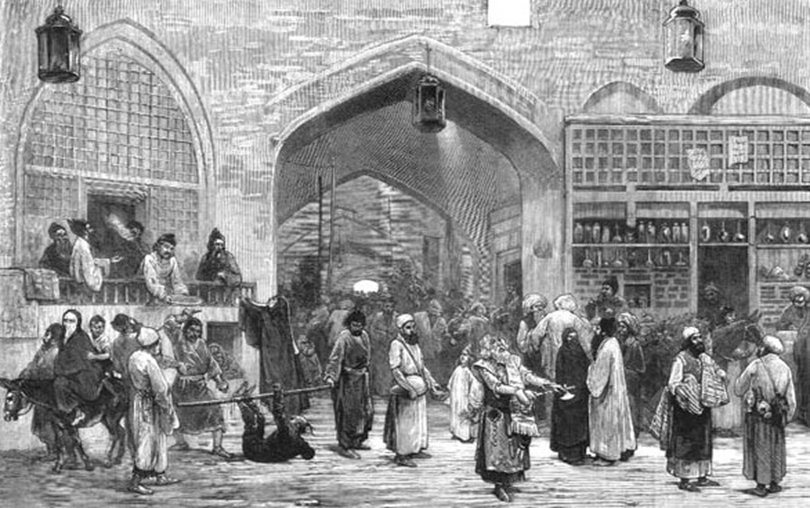
- The decisive turning point in Tehran's destiny came in 1786 when Agha Mohammad Khan Qajar, founder of the Qajar dynasty, declared it the capital of Iran.
- This move was strategic: Tehran's location offered better control over northern and central territories while providing a defensible position against rivals.
- Under the Qajars, Tehran rapidly transformed from a fortified garrison town into a proper political centre, attracting courtiers, soldiers, merchants, and artisans.
- The city expanded with new bazaars, palaces, and administrative buildings, though it remained relatively modest compared to earlier Persian capitals like Isfahan.
- The Pahlavi era (1925–1979) marked Tehran's explosive modernization. Reza Shah Pahlavi (1925–1941) initiated sweeping urban reforms, demolishing the old city walls, constructing wide boulevards, and promoting industrial growth to project a modern, secular Iran.
- His son, Mohammad Reza Shah Pahlavi, accelerated this transformation through the White Revolution (1963–1979), which included land redistribution, women's suffrage, infrastructure development, and literacy campaigns.
- Tehran became a cosmopolitan metropolis with modern highways, high-rise buildings, universities, and cultural institutions.
- However, rapid urbanization also bred social inequalities, cultural alienation among traditional classes, and political repression, setting the stage for the 1979 Islamic Revolution.
- This period transformed Tehran into Iran's undisputed economic and political hub while deepening the contradictions between Western-style modernization and traditional Iranian-Islamic values.
The 1979 Islamic Revolution: Overthrow of the Shah 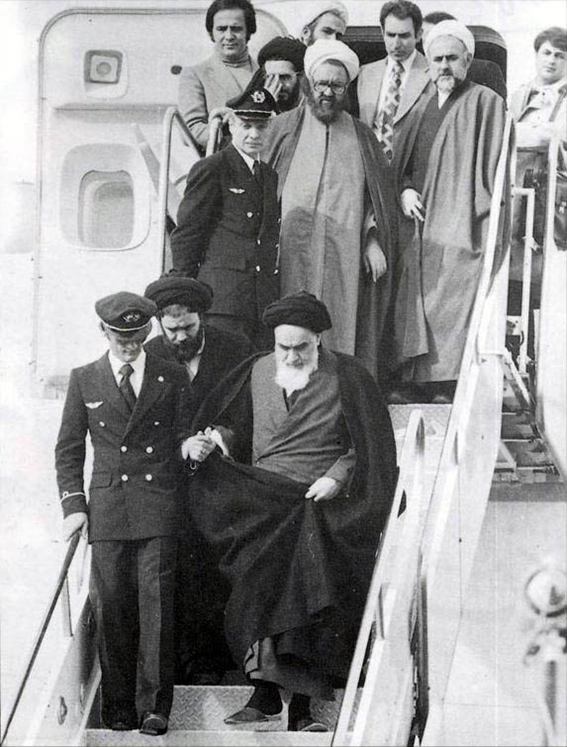
- The 1979 Islamic Revolution represented a seismic rupture in Tehran's — and Iran's — history. Widespread discontent over political repression, rampant corruption, stark economic inequality, and perceived cultural Westernization under the Pahlavi regime fuelled mass protests that began in 1978 and peaked in early 1979.
- Ayatollah Ruhollah Khomeini, who had been exiled for his opposition to the Shah, emerged as the unifying spiritual and political leader of the revolution.
- His return to Tehran on 1 February 1979 was greeted by millions, marking one of the largest popular uprisings in modern history.
- In February 1979, the Pahlavi monarchy collapsed, and the Islamic Republic of Iran was established with Khomeini as Supreme Leader.
- Tehran became the epicentre of revolutionary fervour, where millions gathered in streets like Azadi Square and around the former US Embassy (site of the 1979–81 hostage crisis).
- The revolution replaced a Western-aligned monarchy with a unique theocratic-republican system blending Islamic governance with elected institutions.
- It profoundly reshaped Tehran's socio-political fabric: enforcing strict Islamic codes, nationalising industries, and reorienting foreign policy towards anti-imperialism.
- The city, once a symbol of Pahlavi modernity, became the nerve centre of the new Islamic order, embodying both revolutionary zeal and the tensions between state authority and societal aspirations.
Tehran in the Islamic Republic (1980s–2000s) 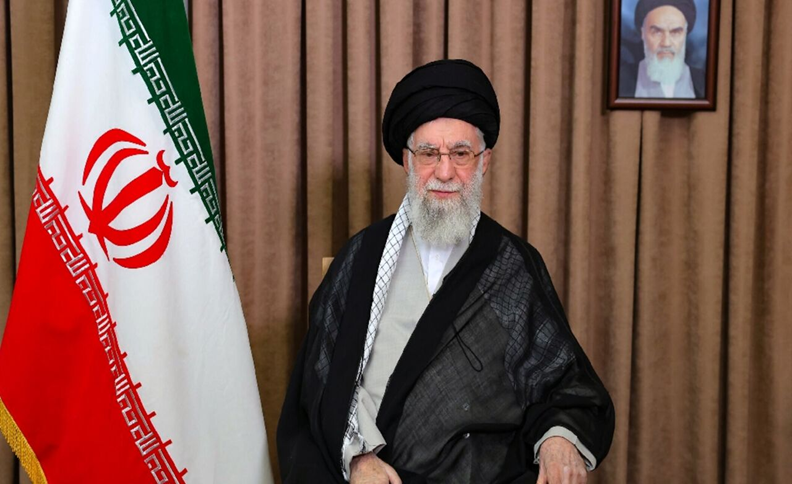
- Following the revolution, Tehran emerged as the political and cultural nerve centre of the Islamic Republic during one of Iran's most challenging periods — the Iran–Iraq War (1980–1988). The city endured Iraqi missile attacks and economic hardships but also became a symbol of national resilience.
- Under the new system, Tehran witnessed the institutionalisation of clerical authority, with bodies like the Guardian Council and Assembly of Experts shaping governance.
- Social policies tightened, enforcing hijab, gender segregation, and Islamic norms in public life, while media and education were aligned with revolutionary ideology.
- Iran's foreign policy became assertive and independent, often confronting Western powers, particularly after the 1979–81 US Embassy hostage crisis in Tehran. Despite international isolation and sanctions, Tehran expanded as a metropolis, with new infrastructure, universities, and cultural institutions.
- However, beneath the surface, cultural and political debates persisted, occasionally erupting in protests (e.g., 1999 student movement). This era solidified Tehran's identity as the capital of a revolutionary state navigating between ideological purity and pragmatic governance.
Contemporary Tehran and Iran (2000s–Present) 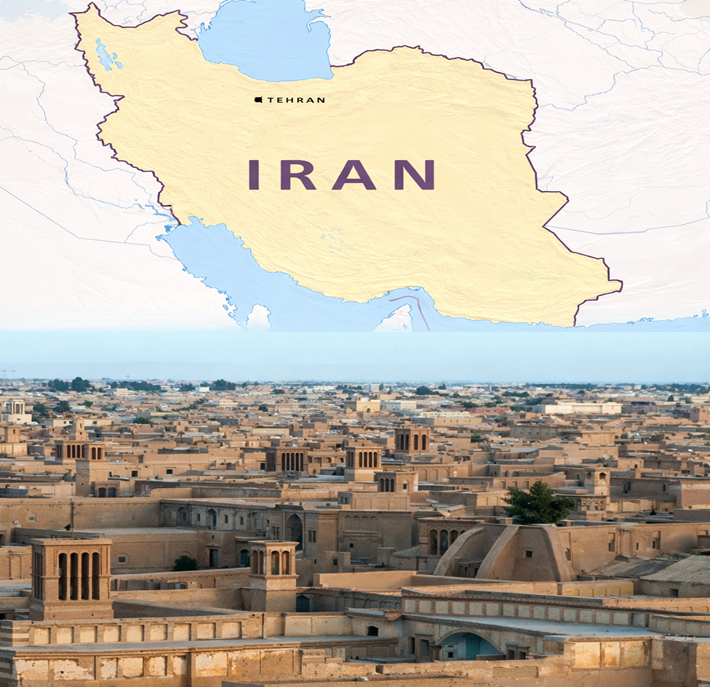
- In the 21st century, Tehran has grown into a sprawling metropolis of over 14 million residents (including suburbs), serving as Iran's undisputed political, economic, and cultural hub.
- The city faces pressing modern challenges: severe economic hardship due to decades of international sanctions, acute water shortages exacerbated by climate change and mismanagement, recurrent social unrest, and environmental degradation (notably air pollution).
- Protests in 2009 (Green Movement), 2019, and 2022 (Mahsa Amini movement) have repeatedly originated in Tehran, reflecting tensions between state authority and demands for greater freedoms, women's rights, and economic justice.
- Despite these pressures, Tehran remains a vibrant centre of Iranian culture, with landmarks like the Azadi Tower (symbol of freedom), the Grand Bazaar, and world-class museums (Museum of Ancient Iran and Museum of the Islamic Era) showcasing its layered heritage.
- Squares like Imam Khomeini Square serve as living memorials to revolutionary history. Today, Tehran encapsulates Iran's complex identity — a city proud of its Persian-Islamic heritage yet grappling with youth aspirations, economic sanctions, and geopolitical isolation.
Conclusion
- Tehran's journey from a humble medieval village to the dynamic capital of the Islamic Republic reflects the broader arc of Iranian history — from ancient civilizational roots through imperial modernisation, revolutionary transformation, and contemporary struggles.
- The 1979 Islamic Revolution was a defining rupture that replaced a secular monarchy with a theocratic republic, fundamentally reshaping Tehran's socio-political landscape.
- In 2026, as Iran faces renewed external pressures and internal demands for reform, Tehran remains a microcosm of the nation's enduring tensions between tradition and modernity, clerical authority and popular will, historical pride and pressing contemporary challenges.
- For India, understanding Tehran's evolution is crucial for navigating its delicate balancing act in West Asia, where energy security, strategic autonomy, and regional stability intersect.
MCQs
1. With reference to the historical evolution of Tehran, consider the following statements:
- Tehran became the capital of Iran under the Qajar dynasty in 1786.
- The 1979 Islamic Revolution transformed Tehran into the political centre of a theocratic republic.
- Tehran was a major urban centre during the Achaemenid Empire.
Which of the statements given above is/are correct?
(a) 1 only
(b) 1 and 2 only
(c) 2 and 3 only
(d) 1, 2 and 3
Answer: (b)
2. The White Revolution (1963–1979) under Mohammad Reza Shah Pahlavi included which of the following reforms?
(a) Land redistribution and women's suffrage
(b) Nationalisation of oil industry
(c) Establishment of the Islamic Republic
(d) Withdrawal from the Baghdad Pact
Answer: (a)
3. Which of the following is NOT a major challenge faced by contemporary Tehran?
(a) Severe water shortages
(b) Air pollution
(c) Frequent earthquakes
(d) Overpopulation and social unrest
Answer: (c)
4. The Azadi Tower in Tehran symbolises:
(a) The 1979 Islamic Revolution
(b) Iran's ancient Persian heritage and modern aspirations
(c) The Pahlavi modernisation drive
(d) The Iran–Iraq War victory
Answer: (b)
Mains Questions
1. “Tehran’s evolution from a medieval village to the capital of the Islamic Republic reflects the complex interplay of tradition and modernity in Iranian history.” Discuss the major phases of Tehran’s development and their implications for understanding contemporary Iran. (15 marks / 250 words)
2. Analyse the significance of the 1979 Islamic Revolution in reshaping Tehran’s socio-political landscape and its long-term impact on Iran’s domestic and foreign policy. (10 marks / 150 words)
3. “The challenges faced by contemporary Tehran highlight the tensions between state authority and popular aspirations in the Islamic Republic.” Critically examine this statement in the context of recent protests and governance issues. (15 marks / 250 words)
4. Essay (250 marks) “From Ancient Settlement to Revolutionary Capital: Tehran as a Mirror to Iran’s Enduring Struggle Between Tradition and Modernity.”
CLICK HERE to download the PDF
