6th March Current Affairs
Why in News?
- On March 5, 2026, President Droupadi Murmu approved a major reshuffle of gubernatorial positions, appointing new Governors for seven states and Lieutenant Governors for two Union Territories. This move comes amid heightened political tensions and ahead of crucial Assembly elections in states like Tamil Nadu and West Bengal, scheduled for April-May 2026.
- The key highlight is the swap of Governors between Tamil Nadu and West Bengal: R.N. Ravi, who had frequent clashes with the DMK-led government in Tamil Nadu, was transferred to West Bengal, while Rajendra Vishwanath Arlekar, previously Governor of Kerala, was appointed to Tamil Nadu. Additionally, West Bengal Governor C.V. Ananda Bose resigned, citing personal reasons, amid ongoing friction with the TMC government.
- This reshuffle is seen as a strategic intervention by the Central government to manage Centre-State relations in opposition-ruled states, ensure smooth administration during election periods, and potentially influence political dynamics.
- It reflects broader debates on the role of Governors in federalism, often accused of acting as agents of the ruling party at the Centre. The appointments were announced via a communique from Rashtrapati Bhavan, underscoring the President's constitutional authority under Article 153 and 155.
Key Data & Appointments 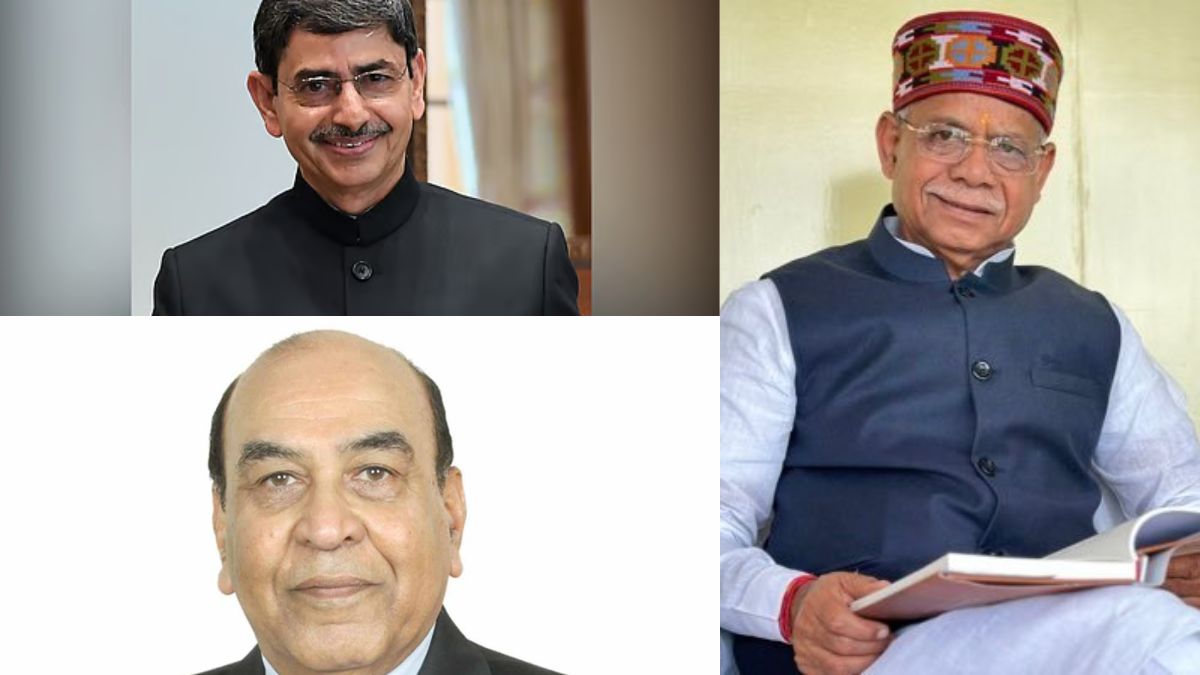
- Rajendra Vishwanath Arlekar – Earlier Governor of Kerala, now appointed Governor of Tamil Nadu.
An experienced administrator; the move is seen as an attempt to ease Centre–State tensions in Tamil Nadu ahead of elections. - R. N. Ravi – Earlier Governor of Tamil Nadu, now appointed Governor of West Bengal.
A former IPS officer; he had several disagreements with the DMK government over pending bills and university appointments. - Arif Mohammed Khan – Earlier Governor of Kerala (held additional charge after Arlekar’s transfer), now Governor of Chhattisgarh.
Known for outspoken political views and previous confrontations with the LDF government in Kerala. - Pratap Shukla – Earlier Governor of Himachal Pradesh, now Governor of Jharkhand.
A senior BJP leader; the transfer is seen as an attempt to strengthen political outreach in Jharkhand, particularly among tribal communities. - Jairam Thakur – Former Chief Minister of Himachal Pradesh, appointed Governor of Maharashtra.
Considered a political appointment bringing administrative experience to a major western state. - Dev Vir Sharma – Senior BJP leader, appointed Lieutenant Governor of Puducherry.
The appointment clarifies earlier confusion that linked the post to Telangana. - Prahlad Singh Patel – Former Union Minister, appointed Governor of Himachal Pradesh, replacing Pratap Shukla.
Expected to focus on development and governance issues in hill states. - K. Laxman – BJP National OBC Morcha President, appointed Governor of Assam.
The appointment has strategic significance for the Northeast, especially amid regional border and security concerns. - Kavinder Gupta – Former Deputy Chief Minister of Jammu & Kashmir, appointed Lieutenant Governor of Ladakh.
The focus is expected to be on administrative stability and development in the Union Territory after Article 370 changes. - C. V. Ananda Bose – Governor of West Bengal, resigned from the position.
He cited personal reasons; his tenure had seen disagreements with the TMC government over university appointments and legislative matters.
Regional Patterns in the Appointments
- Southern States (Tamil Nadu, Kerala)
Appointments appear aimed at stabilizing Centre–State relations in regions governed by non-BJP parties. - Eastern & Northeastern States (West Bengal, Assam, Jharkhand)
Strategic placements are viewed as efforts to strengthen political influence in opposition-dominated regions. - Western & Central States (Maharashtra, Chhattisgarh, Himachal Pradesh)
A mix of experienced administrators and political leaders have been chosen to balance governance and political strategy. - Union Territories (Puducherry, Ladakh)
Appointments emphasize administrative stability, development, and security considerations.
Drivers of the Reshuffle
Pre-Election Strategy
-
- Ahead of 2026 Assembly polls in Tamil Nadu, West Bengal, Assam, Kerala, and Puducherry, the Centre aims to appoint Governors who can oversee fair elections and manage potential post-poll instability.
Managing Centre-State Conflicts
-
- In Tamil Nadu, R.N. Ravi's tenure saw delays in assenting to bills and disputes over NEET exemption, straining ties with CM M.K. Stalin's DMK government.
- In West Bengal, C.V. Ananda Bose clashed with CM Mamata Banerjee over university appointments and withholding assent to laws, leading to Supreme Court interventions.
Federalism and Political Alignment
-
- Appointments favor BJP-affiliated leaders (e.g., Jairam Thakur, Prahlad Singh Patel) to strengthen the party's influence in non-BJP states.
- Resignations (e.g., Bose) indicate a purge of figures seen as ineffective in advancing Central agendas.
Administrative Reforms
-
- Transfers like Arif Mohammed Khan to Chhattisgarh address vacancies and bring fresh perspectives to tribal and Naxal-affected areas.
Constitutional Imperatives
-
- Under Article 156, Governors serve at the President's pleasure; reshuffles ensure alignment with national policies like NEP 2020 implementation.
Public and Judicial Pressure
-
- Recent Supreme Court rulings (e.g., on Governor's role in Punjab, Maharashtra) criticizing delays in bill assent prompted proactive changes.
Regional Balance
-
- Diverse appointments from North (Himachal leaders) to South and East to maintain federal equilibrium.
Long-term Political & Constitutional Consequences
- Impact on Federalism
- Reinforces perceptions of Governors as "Centre's agents," potentially eroding state autonomy and leading to more litigations (e.g., under Article 200 for bill assent).
- Electoral Implications
- In Tamil Nadu, Arlekar's appointment may neutralize anti-Centre sentiments; in West Bengal, Ravi's hardline stance could polarize voters against TMC.
- Centre-State Tensions
- Opposition states may see increased friction, affecting schemes like PMAY or Jal Jeevan Mission implementation.
- Judicial Scrutiny
- Could invite more SC interventions, as seen in recent cases (e.g., Maharashtra floor test, Punjab Governor case), shaping jurisprudence on Article 163 (aid and advice).
- Political Realignments
- BJP's strategy to place loyalists may aid alliances (e.g., with AIADMK in TN) but risk backlash in anti-BJP strongholds like WB.
- Administrative Efficiency
- New Governors may expedite pending decisions, but transitions could cause short-term delays in state functions.
Policy Challenges & Suggested Reforms
- Reform Governor's Role: Amend Constitution to limit discretionary powers; introduce fixed tenure or impeachment process.
- Enhance Federal Dialogue: Revive Inter-State Council (Article 263) for regular Centre-State consultations.
- Election Oversight: Ensure Governors' neutrality through EC guidelines; avoid pre-poll reshuffles.
- Judicial Safeguards: Fast-track cases on Governor-State disputes in SC.
- Political Neutrality: Appoint non-partisan figures (e.g., retired judges, bureaucrats) to reduce bias.
- Regional Development Focus: Link appointments to state-specific needs, like disaster management in WB or industrial growth in TN.
Prelims
- Constitutional Provisions: Articles 153 (Governor appointment), 155 (by President), 156 (tenure), 200 (bill assent), 163 (aid and advice).
- Key Facts: New Governors for TN (Arlekar), WB (Ravi); Resignation of Bose.
- Current Affairs: 2026 Assembly Elections in TN, WB, Kerala, Assam, Puducherry.
GS-1 (Society & Geography)
- Regionalism and federal tensions in South vs. North/East India.
GS-2 (Polity & Governance)
- Role of Governor in federal structure; Centre-State relations; Judicial interventions.
- Election reforms and political appointments.
GS-3 (Economy)
- Impact on state economies (e.g., delays in budgets, schemes).
Essay / Interview
- “The Institution of Governor: Pillar of Federalism or Tool of Centralism?”
- “Pre-Election Gubernatorial Reshuffles: Implications for Democracy and Governance.”
- Who has been appointed as the new Governor of Tamil Nadu in the recent reshuffle announced in March 2026?
(a) R.N. Ravi
(b) C.V. Ananda Bose
(c) Rajendra Vishwanath Arlekar
(d) Arif Mohammed Khan
Answer: (c)
- Under which Article of the Indian Constitution is the Governor appointed by the President?
(a) Article 153
(b) Article 155
(c) Article 156
(d) Article 163
Answer: (b)
- Which Governor resigned from their position in West Bengal amid the March 2026 reshuffle?
(a) R.N. Ravi
(b) C.V. Ananda Bose
(c) Jagdeep Dhankhar
(d) Rajendra Arlekar
Answer: (b)
- The recent gubernatorial changes are strategically timed ahead of Assembly elections in which of the following states?
(a) Tamil Nadu and West Bengal
(b) Maharashtra and Jharkhand
(c) Kerala and Himachal Pradesh
(d) Assam and Chhattisgarh
Answer: (a)
- “The role of Governors in India has often been controversial, especially in opposition-ruled states.” Discuss in the context of the recent gubernatorial reshuffle and suggest measures to strengthen federalism. (15 marks / 250 words)
- Analyse the implications of pre-election gubernatorial appointments on Centre-State relations and electoral integrity. (10 marks / 150 words)
- “Strategic reshuffles of Governors reflect the evolving dynamics of Indian federalism.” Critically evaluate this statement with reference to the March 2026 appointments and recommend constitutional reforms. (15 marks / 250 words)
- Essay (250 marks) “The Institution of Governor in India: Balancing Federalism and Central Authority – Challenges and Reforms.”
Why in News?
- A recent study published in the peer-reviewed journal Metabolism by Huang Zhang et al., analyzing data from the Global Burden of Diseases, Injuries, and Risk Factors Study (GBD), 1990-2023, has revealed that India and China bear the highest absolute burden of metabolic diseases in the Asia-Pacific region.
- The study highlights a sharp rise in disability-adjusted life years (DALYs) due to conditions like diabetes mellitus, high systolic blood pressure (BP), high body mass index (BMI), high low-density lipoprotein (LDL) cholesterol, and metabolic dysfunction-associated steatotic liver disease (MASLD). In 2023, India recorded about 21 million DALYs from these diseases, underscoring the urgent need for integrated prevention strategies.
- This "metabolic crisis" is attributed to rapid urbanization, dietary shifts, and sedentary lifestyles, positioning India as a global hotspot for non-communicable diseases (NCDs).
- The findings align with forecasts up to 2030 for the Asia-Pacific region, where metabolic diseases are projected to account for a significant portion of healthcare burdens. Dr. Mira Misra, study chairman from Fortis Centre for Diabetes, Obesity and Cholesterol, New Delhi, emphasized the narrowing gap between India and China, calling for policy interventions like healthier diets and front-of-pack nutrition labeling.
- This issue gains prominence amid India's push for Universal Health Coverage under Ayushman Bharat and global commitments to SDG 3.4 (reduce NCD mortality by one-third by 2030).
Regional Patterns: 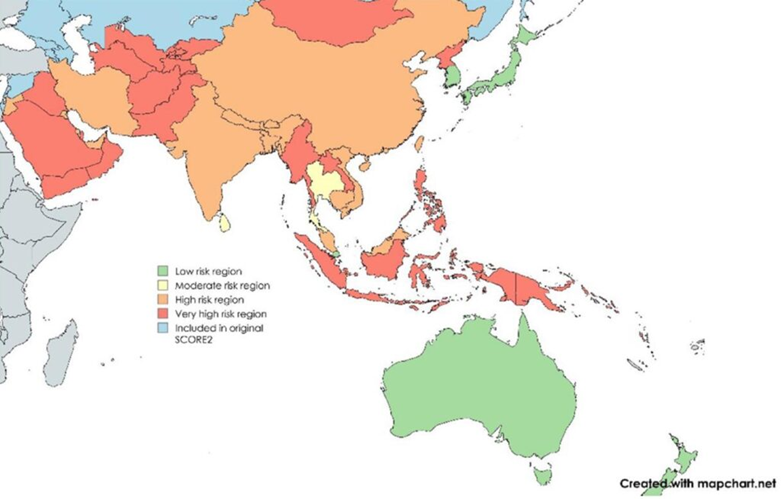
- India & China: Highest absolute burdens; India's position shifted from top in 1990 to second in 2023, but gap narrowing.
- Asia-Pacific: From top position in 1990 (India) to diverse burdens; urban-rural divide prominent.
- Projections: By 2030, India may lead if trends continue; China replaced India at top from 1990-2023.
- Other Countries: Under all other four parameters, India in second position.
Drivers of Rising Metabolic Disease Burden
- Urbanization and Lifestyle Changes
- Rapid urban growth leads to sedentary jobs, reduced physical activity, and reliance on processed foods; urban India sees higher BMI and diabetes rates.
- Dietary Shifts
- Increased consumption of sugar, salt, unhealthy fats, and ultra-processed foods; lack of fruits, vegetables, and whole grains exacerbates insulin resistance.
- Aging Population
- India's demographic shift (median age rising to ~32 by 2030) increases vulnerability to age-related metabolic issues like Type 2 diabetes.
- Genetic and Environmental Factors
- South Asians have a genetic predisposition to insulin resistance; pollution and stress amplify risks.
- Healthcare Access Gaps
- Rural areas lack screening; only ~15% of diabetics in India achieve glycemic control.
- Economic Pressures
- Rising incomes lead to "nutrition transition" towards calorie-dense, nutrient-poor diets; poverty limits access to healthy options.
- Policy and Awareness Deficits
- Inadequate regulation of food labeling; low public awareness of risk factors like high LDL and MASLD.
Long-term Socio-economic & Health Consequences
- Healthcare Burden
- Projected to cost India ~$2-3 trillion by 2030 in lost productivity and treatment; overwhelms public health systems like AIIMS and state hospitals.
- Economic Productivity Loss
- DALYs translate to workforce absenteeism; high BP and diabetes reduce GDP by 1-2% annually.
- Social Inequities
- Disproportionate impact on women and low-income groups; widens urban-rural health divide.
- Mortality and Morbidity Rise
- By 2030, NCDs could cause 75% of deaths in India; MASLD may lead to liver cirrhosis epidemics.
- Regional Geopolitical Implications
- India-China comparison highlights need for bilateral health cooperation; affects labor migration and economic competitiveness in Asia-Pacific.
- Environmental Linkages
- Poor diets contribute to food waste and climate change; unsustainable agriculture worsens the cycle.
Policy Challenges & Suggested Reforms
- Integrated Prevention: Launch national campaigns under National Programme for Prevention and Control of NCDs; integrate metabolic screening into PM-JAY.
- Dietary Regulations: Mandate front-of-pack nutrition labeling; tax sugary drinks and reduce salt/sugar in processed foods (e.g., via FSSAI guidelines).
- Promote Physical Activity: Develop urban green spaces, school-based exercise programs, and workplace wellness incentives.
- Healthcare Infrastructure: Expand rural diagnostics; train 1 lakh community health workers for NCD management.
- Research and Surveillance: Fund GBD-like studies; use AI for predictive modeling of disease trends.
- International Collaboration: Partner with WHO for Asia-Pacific NCD targets; learn from China's urban health models.
- Avoid Over-medicalization: Focus on lifestyle over drugs; subsidize healthy foods for low-income groups.
Prelims
- Key Terms: DALYs, NCDs, MASLD, GBD Study, SDG 3.4.
- Facts: India's 2023 DALYs (~21 million); High BP deaths (~15.7 lakh).
- Organizations: FSSAI, WHO, ICMR.
GS-1 (Society & Geography)
- Urbanization and health transitions; regional disparities in Asia-Pacific.
GS-2 (Polity & Governance)
- Health policies: Ayushman Bharat, NCD Program; Centre-State coordination.
- International Relations: India-China health comparisons; WHO frameworks.
GS-3 (Economy & Science)
- Economic impact of NCDs; biotechnology in diagnostics; food security linkages.
- Environment: Sustainable diets and climate health.
Essay / Interview
- “The Metabolic Disease Burden in India: Challenges and Pathways to a Healthier Nation.”
- “Non-Communicable Diseases as a Silent Epidemic: Lessons from Asia-Pacific.”
- According to the GBD Study 1990-2023, which country recorded the highest absolute burden of metabolic diseases in the Asia-Pacific region in 2023?
(a) India
(b) China
(c) Japan
(d) Indonesia
Answer: (b)
- What is the approximate number of disability-adjusted life years (DALYs) recorded in India due to metabolic diseases in 2023?
(a) 10 million
(b) 21 million
(c) 30 million
(d) 40 million
Answer: (b)
- Which metabolic condition caused nearly 3.8 crore DALYs and about 15.7 lakh deaths in India in 2023?
(a) Diabetes Mellitus
(b) High BMI
(c) High Systolic Blood Pressure
(d) MASLD
Answer: (c)
- The Global Burden of Diseases (GBD) Study analyzes data from which period in the recent report on Asia-Pacific metabolic diseases?
(a) 1980-2020
(b) 1990-2023
(c) 2000-2025
(d) 2010-2030
Answer: (b)
- “The rising burden of metabolic diseases in India poses significant challenges to public health and economy.” Discuss the key drivers and suggest comprehensive policy measures to address this issue. (15 marks / 250 words)
- Analyse the comparative trends in metabolic disease burdens between India and China as per the GBD Study. How does this impact regional health cooperation? (10 marks / 150 words)
- “Prevention strategies must be integrated into national health policies to combat the metabolic crisis.” Critically evaluate India's preparedness and recommend reforms in light of recent studies. (15 marks / 250 words)
- Essay (250 marks) “From Lifestyle Choices to National Crisis: Tackling the Metabolic Disease Epidemic in India and Asia-Pacific.”
Why in News?
- On March 6, 2026, amid the escalating West Asia conflict—now in its sixth day—the U.S. and Israel conducted joint pre-emptive strikes on Iranian military targets, including missile sites, nuclear facilities, and command centers. These actions, justified by the U.S. and Israel as self-defense under Article 51 of the UN Charter, have sparked intense global debate on their legality.
- Legal experts, UN officials, and international bodies like the International Court of Justice (ICJ) have questioned whether the strikes meet the criteria of necessity, proportionality, and imminence required for legitimate self-defense. The strikes resulted in significant civilian casualties, infrastructure damage, and heightened fears of a broader regional war.
- This incident follows the U.S. torpedoing of the Iranian frigate IRIS Dena on March 4 and the stranding of IRINS Bushehr near Sri Lanka on March 5, marking a rapid spillover of the conflict into international waters and third-party territories.
- The UN Security Council (UNSC) convened an emergency session, with Russia and China condemning the strikes as "aggression," while the U.S. vetoed a resolution calling for an immediate ceasefire.
- The debate underscores tensions in international law, particularly the interpretation of pre-emptive self-defense post-9/11, and has implications for global norms on sovereignty and use of force.
Regional Patterns:
- West Asia: Strikes concentrated in central and western Iran; retaliation threats from Iran via proxies (Hezbollah, Houthis).
- Global: Protests in major cities (e.g., New York, London); calls for ICC investigation into potential war crimes.
- South Asia: India expresses concern over energy security; no direct involvement but monitors IOR spillover.
Drivers of the Strikes and Legal Debates
- Geopolitical Tensions
- Rooted in Iran's nuclear ambitions, support for militias attacking Israel/U.S. interests, and recent missile strikes on Israel; U.S.-Israel alliance seeks to degrade Iran's capabilities.
- Self-Defense Doctrine
- Article 51 allows force in response to an "armed attack"; debate on "pre-emptive" vs. "preventive" strikes—former requires imminent threat, latter (as alleged here) may violate sovereignty.
- Proportionality and Necessity
- Strikes must be proportionate to the threat and necessary (no alternatives like diplomacy); critics argue civilian casualties indicate disproportionality, violating Geneva Conventions.
- Historical Precedents
- Post-2003 Iraq invasion and 1981 Israeli strike on Osirak reactor set controversial benchmarks; U.S. invokes "Bush Doctrine" of pre-emption.
- Intelligence and Justification
- U.S.-Israel cite intelligence on imminent Iranian attacks; skeptics demand evidence, referencing past "WMD" claims in Iraq.
- International Law Gaps
- Absence of clear UNSC authorization; veto powers (U.S.) hinder resolutions, exposing flaws in multilateralism.
- Domestic Politics
- U.S.: Bolsters support amid elections; Israel: Netanyahu government diverts from domestic issues; Iran: Hardliners rally national unity.
Long-term Geopolitical & Socio-economic Consequences
- Escalation Risks
- Potential Iranian retaliation via cyber attacks, proxy wars, or Hormuz blockade; could draw in Russia/China, risking global conflict.
- Erosion of International Law
- Weakens UN Charter norms; encourages unilateral actions by powerful states, undermining sovereignty for smaller nations.
- Humanitarian Crisis
- Displacement in Iran; refugee flows to neighboring countries (Iraq, Turkey); long-term health impacts from damaged infrastructure.
- Economic Disruptions
- Energy crisis: 20% of global oil through Hormuz; inflation in import-dependent economies like India (oil imports rise 15-20%).
- Supply chain breaks: Tech and commodity markets affected.
- Diplomatic Realignments
- Strains U.S.-EU ties; boosts BRICS (Iran member) as alternative to Western order; India balances non-alignment with QUAD.
- Security Paradigms
- Accelerates arms race in West Asia; questions on ICC/ICJ efficacy in holding major powers accountable.
Policy Challenges & Suggested Reforms
- Strengthen UN Mechanisms: Reform UNSC veto system; mandate evidence-sharing for self-defense claims.
- Diplomatic Engagement: Revive JCPOA (Iran nuclear deal); India to mediate via SCO/BRICS.
- Legal Accountability: Support ICJ/ICC probes; adopt global norms on pre-emptive strikes.
- Humanitarian Aid: UN-led relief for Iran; prepare for refugee protocols under 1951 Convention.
- Energy Security: Diversify sources (e.g., India boosts renewables, Russian imports); international patrols in Hormuz.
- Avoid Unilateralism: Promote R2P (Responsibility to Protect) with safeguards against abuse.
Prelims
- UN Charter Articles: 2(4) (prohibition on force), 51 (self-defense).
- Key Bodies: UNSC, ICJ, ICC; Caroline Case (1837).
- Current Facts: Strikes on March 6, 2026; civilian casualties ~50.
GS-1 (Society & Geography)
- Impact on global migration and West Asian stability.
GS-2 (Polity & Governance)
- International Relations: Self-defense doctrines, UN reforms.
- Bilateral Ties: India-U.S./Iran/Israel relations.
GS-3 (Economy & Security)
- Energy security; defense implications (e.g., missile tech).
- Internal Security: Potential terrorism spillover.
Essay / Interview
- “The Legality of Pre-emptive Strikes: Balancing Sovereignty and Security in International Law.”
- “West Asia Conflicts: Challenges to Global Order and India's Strategic Response.”
- Under which Article of the UN Charter is the right to self-defense recognized?
(a) Article 2(4)
(b) Article 51
(c) Article 39
(d) Article 42
Answer: (b)
- The principle of proportionality in international law requires that military actions:
(a) Be unlimited in scope
(b) Match the scale of the threat
(c) Target only military sites
(d) Involve UN approval
Answer: (b)
- Which doctrine is often cited in debates on pre-emptive self-defense?
(a) Monroe Doctrine
(b) Truman Doctrine
(c) Caroline Doctrine
(d) Eisenhower Doctrine
Answer: (c)
- The U.S.-Israel strikes on Iran in March 2026 targeted which key facilities?
(a) Oil refineries only
(b) Missile and nuclear sites
(c) Civilian airports
(d) Cultural heritage sites
Answer: (b)
- “The U.S.-Israel strikes on Iran highlight the ambiguities in international law regarding pre-emptive self-defense.” Discuss the legal framework and suggest measures to prevent misuse. (15 marks / 250 words)
- Analyse the geopolitical drivers behind the U.S.-Israel actions against Iran and their implications for global energy security. (10 marks / 150 words)
- “International institutions like the UNSC are inadequate in addressing unilateral military actions.” Critically evaluate in the context of the recent West Asia conflict and recommend reforms. (15 marks / 250 words)
- Essay (250 marks) “The Erosion of Sovereignty in the Age of Pre-emptive Wars: Lessons from the U.S.-Israel-Iran Conflict.”
Why in News?
- On March 4-5, 2026, U.S. Interior Secretary Doug Burgum visited Caracas, accompanied by over two dozen executives from American mining companies, to advance U.S. access to Venezuela's vast mineral wealth.
- Meeting Interim President Delcy Rodríguez, Burgum emphasized investments potentially worth "billions of dollars" and thousands of high-paying jobs, as part of President Donald Trump's "National Energy Dominance Council" agenda.
- This follows the U.S.-led intervention in January 2026 that ousted Nicolás Maduro, with Rodríguez assuming interim leadership. The visit coincides with announcements of restored U.S.-Venezuela diplomatic ties and a forthcoming mining law reform to facilitate foreign extraction of gold, diamonds, bauxite, coltan, and rare earths.
- This "mineral diplomacy" marks a shift from oil-focused sanctions to resource securitization, driven by U.S. efforts to counter China's dominance in critical minerals supply chains.
- Venezuela, with the world's largest oil reserves, also holds untapped mineral potential in the Orinoco Mining Arc—rich in coltan (for electronics), bauxite (aluminum), and gold (Latin America's largest deposits).
- Environmentalists warn of risks from expanded mining in biodiversity hotspots, while the move underscores shifting geopolitics in Latin America amid Trump's "America First" resource strategy.
Drivers of U.S. Mineral Push
- Geopolitical Realignment Post-Intervention
- After U.S. capture of Maduro (Operation Absolute Resolve, Jan 2026), Rodríguez's interim govt. pledged "Trump speed" reforms; mining law overhaul expected in days.
- Critical Minerals Security
- China controls 80%+ of rare earths/processing; Venezuela offers alternative for EVs, AI chips, defense tech amid trade wars.
- Economic Dominance
- Burgum (head of National Energy Dominance Council) seeks $100B+ investments; gold deal with Trafigura (1,000 kg) signals momentum.
- Diversification from Oil
- Venezuela's 300B+ barrels oil focus shifts to minerals; U.S. firms eye "red tape" cuts for capital inflow.
- Domestic U.S. Politics
- Trump's agenda: Jobs, supply chain resilience; counters "China threat" narrative.
- Venezuelan Incentives
- Cash-strapped post-crisis: Foreign investment revives economy; Rodríguez balances Chavismo legacy with pragmatism.
- Environmental & Security Risks
- Illegal mining (armed groups) drives urgency; U.S. promises "legitimate sector" oversight.
Long-term Geopolitical & Socio-economic Consequences
- U.S. Supply Chain Resilience
- Reduces reliance on adversarial suppliers; boosts defense/tech sectors; potential $ trillions in strategic reserves.
- Venezuela's Economic Revival
- Billions in FDI; job creation (thousands in mining); but risks "resource curse" redux with inequality.
- Latin American Power Shifts
- Strengthens U.S. influence; strains China-Russia ties (prior Venezuelan partners); sparks regional debates on sovereignty.
- Environmental Degradation
- Orinoco Arc expansion: Deforestation, river pollution; Amazon spillover; biodiversity loss in protected zones.
- Global Commodity Markets
- Gold/diamond prices stabilize; coltan supply eases EV battery costs; inflation hedge for West.
- Human Rights & Governance
- Mining reforms may empower locals but invite exploitation; ICJ/UN scrutiny on indigenous rights.
- India's Ripple Effects
- Opportunities for diversification (e.g., coltan imports); risks higher gold prices; strategic lessons for critical minerals policy.
Policy Challenges & Suggested Reforms
- Sustainable Mining: Enforce ESG standards; U.S.-Venezuela joint audits; tech for low-impact extraction.
- Supply Chain Diplomacy: India to form alliances (e.g., with QUAD, I2U2) for critical minerals; invest in African/Latin alternatives.
- Environmental Safeguards: International funding for Orinoco restoration; satellite monitoring via ISRO.
- Economic Diversification: Venezuela: Beyond mining, revive agriculture/manufacturing; U.S.: Tech transfer for local processing.
- Geopolitical Balancing: Multilateral forums (OAS, CELAC) for transparent deals; avoid neo-colonialism perceptions.
- India-Specific: Accelerate PLI for batteries/semiconductors; stockpile coltan/rare earths; engage Venezuela diplomatically.
- Anti-Corruption: Blockchain for mineral tracing; anti-money laundering via FATF.
Prelims
- Key Terms: Critical Minerals (USGS list), Orinoco Mining Arc, Coltan (Tantalum ore).
- Facts: Venezuela's gold reserves (Latin America's largest); U.S. visit (March 2026).
- Organizations: USGS, Trafigura; Trump's National Energy Dominance Council.
GS-1 (Society & Geography)
- Resource geopolitics; environmental impacts in Latin America.
GS-2 (Polity & Governance)
- International Relations: U.S. hegemony, post-intervention Venezuela; India's non-alignment.
- Diplomacy: Resource nationalism; critical minerals blocs.
GS-3 (Economy & Security)
- Critical minerals in supply chains; energy transition (EVs, renewables).
- National Security: Diversifying from China; strategic reserves.
Essay / Interview
- “Critical Minerals: The New Oil in Geopolitics – Lessons from Venezuela.”
- “U.S. Resource Diplomacy: Opportunities and Challenges for the Global South.”
- Which U.S. official led the delegation to Caracas in March 2026 to discuss mineral access?
(a) Antony Blinken
(b) Doug Burgum
(c) Pete Hegseth
(d) Gina Raimondo
Answer: (b)
- What is the primary mineral from Venezuela's Orinoco Mining Arc used in electronics and defense?
(a) Bauxite
(b) Coltan
(c) Iron ore
(d) Coal
Answer: (b)
- Venezuela holds the largest reserves of which mineral in Latin America?
(a) Copper
(b) Gold
(c) Lithium
(d) Rare Earths
Answer: (b)
- The U.S. visit coincided with the announcement of restored diplomatic ties with which country?
(a) Venezuela
(b) Cuba
(c) Bolivia
(d) Nicaragua
Answer: (a)
- “The U.S. pursuit of Venezuelan minerals reflects evolving global resource geopolitics.” Discuss the drivers and implications for developing nations like India. (15 marks / 250 words)
- Analyse the potential of Venezuela's mineral sector for U.S. strategic interests and the challenges of sustainable exploitation. (10 marks / 150 words)
- “Critical minerals are redefining international relations in the 21st century.” Critically evaluate in the context of the U.S.-Venezuela engagement and recommend India's policy response. (15 marks / 250 words)
- Essay (250 marks) “From Oil to Minerals: Venezuela's Resource Wealth and the New Great Game for Critical Commodities.”
Why in News?
- On March 6, 2026, Iran launched a series of missile and drone attacks across the Persian Gulf, targeting U.S. and Israeli interests in the region, including Oman for the first time. This marks a significant escalation in the ongoing West Asia conflict, now in its sixth day, following U.S.-Israel pre-emptive strikes on Iranian facilities.
- The attacks spared no one in the region, hitting U.S. military assets like the Abraham Lincoln aircraft carrier and causing casualties, while disrupting energy flows and regional stability.
- Iranian leaders, including Supreme Leader Ayatollah Ali Khamenei, view this "chaos strategy" as a means to inflict costs on adversaries, deter further aggression, and pressure for de-escalation.
- This "Gulf-wide retaliation" is Iran's first major cross-regional response, breaching previous red lines by targeting neutral mediators like Oman. It highlights Tehran's shift from proxy warfare (via Hezbollah, Houthis) to direct, multi-front assaults, amid warnings of blanketing West Asia with fire if its existence is threatened.
- The UN Security Council (UNSC) condemned the strikes, with calls for an immediate ceasefire, while oil prices surged 12% amid fears of Hormuz Strait disruption. This event underscores evolving asymmetric warfare tactics and challenges to international maritime security under UNCLOS.
Drivers of Iran's Chaos Strategy
- Retaliation to U.S.-Israel Aggression
- Response to March 6 strikes on Iranian nuclear/missile sites; aims to restore deterrence after perceived existential threats.
- Asymmetric Warfare Doctrine
- Iran's military asymmetry (vs. U.S./Israel tech superiority) favors chaos: Disrupt energy, inflict casualties, and strain alliances.
- Domestic Consolidation
- Supreme Leader Khamenei rallies public support; portrays strikes as defending sovereignty amid economic sanctions.
- Regional Power Projection
- Targets GCC states to punish U.S. basing; extends influence via "Axis of Resistance" (Iran, Syria, proxies).
- Economic Leverage
- Gulf energy disruption as "oil weapon"; mirrors 1973 OPEC embargo tactics to pressure global powers.
- Diplomatic Breakdown
- Failed Oman-mediated talks; U.S. vetoes in UNSC fuel Iran's unilateralism.
- Technological Advancements
- Indigenous drones/missiles (e.g., Shahed-136) enable low-cost, high-impact strikes; evades defenses.
Long-term Geopolitical & Socio-economic Consequences
- Regional Instability
- Potential GCC retaliation; widens conflict to Yemen, Lebanon; risks "total war" in West Asia.
- Global Energy Crisis
- Prolonged Hormuz disruption: 20-30% oil supply cut; inflation in India (85% oil imports), Europe.
- Alliance Realignments
- Strains U.S.-GCC ties; boosts Russia-China-Iran axis; India faces balancing act with I2U2/QUAD.
- Humanitarian Fallout
- Civilian deaths escalate; refugee surges to Turkey, Europe; health crises from infrastructure damage.
- Maritime Security Threats
- Increased piracy/attacks in Gulf; challenges UNCLOS; naval buildups by U.S., India.
- Economic Repercussions
- Global recession risk; $ trillions in losses; accelerates shift to renewables.
- Nuclear Escalation Risks
- Strikes near Iranian sites may accelerate Tehran's weaponization; IAEA concerns rise.
Policy Challenges & Suggested Reforms
- De-escalation Diplomacy: Revive JCPOA talks; India to mediate via SCO; UNSC special envoy for Gulf security.
- Energy Security: Diversify imports (India: Boost Russian/African oil; invest in green hydrogen).
- Maritime Protection: Enhance IMEC (India-Middle East-Europe Corridor); joint patrols under CTF-150.
- Sanctions Review: Balanced U.S. approach; lift humanitarian exemptions to reduce Iran's desperation.
- Proxy Containment: Intelligence sharing on Hezbollah/Houthis; arms embargoes via UN.
- Humanitarian Aid: Red Crescent/UN-led relief; prepare for Gulf refugee protocols.
- India's Role: Strengthen "SAGAR" policy; stockpile oil reserves; advocate multilateralism in UNGA.
Prelims
- Key Terms: Asymmetric Warfare, Hormuz Strait, Axis of Resistance, JCPOA.
- Facts: Iran's attacks (March 6, 2026); Targets in Oman, UAE; Casualties ~150.
- Organizations: UNSC, IAEA, OPEC.
GS-1 (Society & Geography)
- Regional conflicts and migration in West Asia.
GS-2 (Polity & Governance)
- International Relations: India-Iran ties, UN reforms.
- Diplomacy: Mediation roles (Oman); energy geopolitics.
GS-3 (Economy & Security)
- Energy security; defense tech (drones/missiles).
- Internal Security: Potential spillover to Indian Ocean.
Essay / Interview
- “Chaos as Strategy: Iran's Role in West Asia Instability.”
- “Gulf Conflicts: Implications for Global Energy and India's Security.”
- Iran's retaliatory strikes on March 6, 2026, targeted U.S. interests in which neutral country for the first time?
(a) Qatar
(b) Oman
(c) Kuwait
(d) Bahrain
Answer: (b)
- What is the primary strategic goal of Iran's "chaos" approach in the Persian Gulf?
(a) Territorial expansion
(b) Economic alliances
(c) Deterrence through disruption
(d) Nuclear negotiations
Answer: (c)
- Which U.S. aircraft carrier was damaged in Iran's attacks near Duqm, Oman?
(a) USS Nimitz
(b) USS Abraham Lincoln
(c) USS Dwight D. Eisenhower
(d) USS Gerald R. Ford
Answer: (b)
- The Persian Gulf attacks disrupted which critical global chokepoint?
(a) Suez Canal
(b) Strait of Hormuz
(c) Panama Canal
(d) Malacca Strait
Answer: (b)
- “Iran's strategy of creating regional chaos in response to U.S.-Israel strikes reflects the limits of asymmetric warfare.” Discuss the drivers and global implications. (15 marks / 250 words)
- Analyse the impact of Persian Gulf escalations on India's energy security and suggest mitigation strategies. (10 marks / 150 words)
- “The West Asia conflict underscores the need for reformed multilateral institutions.” Critically evaluate the role of UNSC and recommend India's diplomatic approach. (15 marks / 250 words)
- Essay (250 marks) “From Proxy Wars to Direct Confrontations: The Evolving Dynamics of Conflict in the Persian Gulf.”
Why in News?
- On March 4, 2026, a U.S. Navy submarine launched a torpedo attack on the Iranian naval frigate IRIS Dena in international waters of the Indian Ocean, approximately 40 nautical miles off the southern coast of Galle, Sri Lanka.
- The vessel, which had just participated in India's International Fleet Review (IFR) 2026 at Visakhapatnam, was en route back to Iran when it was sunk.
- This incident, marking the first torpedo sinking of a warship since World War II, resulted in heavy casualties: around 87 Iranian sailors killed, several missing, and 30-32 rescued by the Sri Lankan Navy. U.S. Defense Secretary Pete Hegseth confirmed the strike, framing it as a necessary action in the ongoing U.S.-Iran conflict.
- This event signifies a dramatic spillover of the West Asia crisis—characterized by U.S.-Israel strikes on Iranian targets and Iran's retaliatory missile/drone attacks—into the Indian Ocean Region (IOR).
- It raises alarms over maritime security, global energy routes, and the militarization of previously neutral waters. The UN Security Council (UNSC) discussed the incident in an emergency session, with India expressing concern over regional stability. Analysts view this as a U.S. strategy to degrade Iran's naval capabilities amid fears of Iranian disruptions in the Strait of Hormuz.
Drivers of the Incident
- Escalating West Asia Conflict
- U.S.-Israel operations targeted Iranian nuclear/missile sites; Iran retaliated with attacks on U.S. bases in Gulf states.
- U.S. aimed to neutralize Iranian naval threats extending beyond the Gulf.
- Strategic Deterrence
- IRIS Dena's participation in IFR 2026 symbolized Iran's outreach; sinking it demonstrates U.S. resolve to curb Iranian power projection in IOR.
- Maritime Domain Expansion
- Conflict geography shifted: From Middle East land/air battles to oceanic warfare, protecting U.S. interests in global shipping lanes.
- Intelligence and Opportunity
- U.S. tracked the vessel post-IFR; torpedo use for stealth, avoiding escalation via airstrikes.
- Geopolitical Rivalries
- Countering Iran's alliances (e.g., with Russia/China); U.S. secures alliances like QUAD in IOR.
- Legal and Doctrinal Factors
- Invokes Article 51 (UN Charter) self-defense; echoes post-9/11 pre-emption doctrines.
- Regional Neutrality Challenges
- Proximity to Sri Lanka/India tests non-aligned policies; U.S. denies using regional bases.
Long-term Geopolitical & Socio-economic Consequences
- Expansion of Conflict Zone
- West Asia crisis spills into IOR; potential for Iranian proxies (e.g., Houthis) to target shipping.
- Maritime Security Threats
- Increased risks to SLOCs; piracy/attacks rise; naval arms race in IOR (U.S., China, India).
- Energy and Trade Disruptions
- Oil supply volatility: 20% global crude via nearby routes; impacts India (85% oil imports).
- Diplomatic Strains
- India balances U.S. (Indo-Pacific ally) and Iran (Chabahar port); Sri Lanka faces pressure as neutral actor.
- Militarization of IOR
- U.S. deployments surge; China may enhance Djibouti/Gwadar presence; erodes "Zone of Peace" norms.
- Humanitarian and Environmental Risks
- Sailor losses highlight naval warfare costs; potential oil spills from future incidents.
- Global Order Implications
- Questions U.S. unilateralism; boosts multipolarity debates in UNSC.
Policy Challenges & Suggested Reforms
- Enhance Maritime Diplomacy: India to lead IOR forums (e.g., IONS) for de-escalation; joint patrols with QUAD.
- Energy Diversification: Accelerate renewables (India: 500 GW by 2030); diversify imports via Russia/Africa.
- Neutrality Reinforcement: Sri Lanka/India reject foreign basing; advocate UNCLOS compliance.
- Intelligence Sharing: Regional mechanisms (e.g., Colombo Security Conclave) for threat monitoring.
- Humanitarian Protocols: Strengthen SAR (Search and Rescue) under IMO; international aid for casualties.
- Conflict Prevention: Revive U.S.-Iran talks via Oman/Qatar; India mediate in SCO.
- Avoid Escalation: Global arms control on submarines; UNSC reforms for veto abuse.
Prelims
- Key Terms: Torpedo Warfare, IFR 2026, SLOCs, UNCLOS Article 98 (rescue duty).
- Facts: IRIS Dena (Moudge-class); Sinking near Galle; First since WWII.
- Geography: Visakhapatnam, Galle, IOR routes.
GS-1 (Society & Geography)
- Geopolitical shifts in IOR; impact on regional stability.
GS-2 (Polity & Governance)
- India's foreign policy: Strategic autonomy, multi-alignment.
- International Law: Self-defense (Article 51), maritime disputes.
GS-3 (Economy & Security)
- Energy security; defense modernization (submarines).
- Internal Security: IOR threats spillover.
Essay / Interview
- “The Expansion of West Asia Conflicts into the Indian Ocean: Challenges for India's Maritime Strategy.”
- “Neutrality in Global Conflicts: Lessons from the IRIS Dena Incident.”
- The IRIS Dena, sunk by a U.S. submarine on March 4, 2026, had participated in which Indian-hosted event prior to the incident?
(a) Exercise Malabar
(b) International Fleet Review 2026
(c) RIMPAC
(d) Exercise Milan
Answer: (b)
- The attack on IRIS Dena marked the first torpedo sinking of a warship since which historical event?
(a) World War I
(b) Korean War
(c) World War II
(d) Falklands War
Answer: (c)
- Approximately how many nautical miles off the coast of Galle, Sri Lanka, did the incident occur?
(a) 20
(b) 40
(c) 60
(d) 80
Answer: (b)
- Which article of the UN Charter was invoked by the U.S. to justify the strike as self-defense?
(a) Article 2(4)
(b) Article 51
(c) Article 39
(d) Article 42
Answer: (b)
- “The sinking of an Iranian warship near Sri Lanka by a U.S. submarine signifies the globalization of regional conflicts.” Discuss the strategic drivers and implications for India's foreign policy. (15 marks / 250 words)
- Analyse the role of maritime security in the Indian Ocean Region in light of the IRIS Dena incident. How does it affect global energy trade? (10 marks / 150 words)
- “India's strategic neutrality is tested by escalations in West Asia spilling into its neighborhood.” Critically evaluate India's response and suggest measures to safeguard its interests. (15 marks / 250 words)
- Essay (250 marks) “From the Persian Gulf to the Indian Ocean: The Widening Arc of Conflict and India's Maritime Imperatives.”
Why in News?
- A pair of elusive Dusky Eagle-Owls (Ketupa coromanda) was sighted in the Phato tourism zone of the Terai West forest division, adjacent to Jim Corbett Tiger Reserve in Uttarakhand, after a gap of 15 years.
- The sighting, reported in early March 2026, has been hailed as a significant indicator of successful habitat restoration, improved forest connectivity, and effective conservation measures in the Terai Arc Landscape.
- Wildlife enthusiasts, researchers, and forest officials captured images and videos, sparking excitement in biodiversity circles. This rare avian comeback underscores the positive outcomes of corridor restoration efforts in the Corbett landscape, linking fragmented habitats and supporting apex predators and large owls.
- The event aligns with India's broader biodiversity monitoring under the National Biodiversity Action Plan and contributes to knowledge on nocturnal raptors in the Himalayan foothills.
Features & Ecology of Dusky Eagle-Owl
- Taxonomy & Appearance
- Family: Strigidae (typical owls)
- Large greyish-brown owl with prominent ear tufts
- Underparts: Greyish-white with dark brown streaks
- Wings: Dark brown with whitish streaks
- Powerful feet and strong flight for hunting
- Size & Dimorphism
- Length: 48–53 cm
- Females larger than males (sexual dimorphism typical in owls)
- Behavior
- Nocturnal/crepuscular; active ~1 hour before sunset
- Diurnal activity in cloudy weather
- Roosts in shady foliage during day
- Uses old stick nests of other raptors (kites, vultures, eagles) for breeding
- Diet & Hunting
- Preys on small mammals (rodents, bats), birds, reptiles, insects
- Powerful hunter; ambushes from perch
- Habitat Preferences
- Thick riverside (riparian) forests, old-growth woodlands, plantations near waterbodies
- Low-altitude, open wooded areas
- Distribution
- South Asia to Southeast Asia: Pakistan, India, Nepal, Bangladesh, Myanmar, Thailand, Malaysia, southern China
- Threats & Conservation
- Habitat loss (deforestation, agriculture), pesticide use, human disturbance
- IUCN: Least Concern (wide range, stable population)
Long-term Ecological & Conservation Implications
- Biodiversity Indicator
- Apex nocturnal predator; presence signals healthy prey base and minimal disturbance.
- Habitat Restoration Success
- Validates Terai Arc Landscape corridor projects (WWF-India, forest dept.); links Corbett with Rajaji and Nepal reserves.
- Eco-Tourism Boost
- Enhances Phato zone appeal; promotes responsible birdwatching in Uttarakhand.
- Climate & Ecosystem Health
- Riparian forests vital for water regulation, carbon sequestration; owl presence indicates resilience.
- Research Opportunities
- Camera trapping, telemetry studies to monitor population, breeding success.
- Threat Mitigation
- Continued anti-poaching, reduced human-wildlife conflict, pesticide regulation.
- Broader Conservation Linkages
- Supports Schedule I protection under Wildlife (Protection) Act, 1972; aligns with India’s Aichi/NBSAP targets.
Policy Challenges & Suggested Reforms
- Strengthen Monitoring: Integrate nocturnal raptor surveys into annual wildlife census; use citizen science (eBird, iNaturalist).
- Corridor Protection: Enforce buffer zones around Corbett; expand community reserves.
- Eco-Tourism Regulation: Guidelines for night safaris; training for guides to avoid disturbance.
- Research Funding: Support ICMR/BNHS studies on owl ecology in Terai.
- Community Engagement: Involve locals in conservation; alternative livelihoods to reduce forest dependency.
- Interstate Cooperation: India-Nepal TAL coordination for transboundary corridors.
Prelims
- Species in News: Dusky Eagle-Owl (Ketupa coromanda)
- IUCN Status: Least Concern
- Habitat: Riparian forests, Terai Arc Landscape
- Protected Area: Corbett Tiger Reserve (Project Tiger)
GS-1 (Society & Geography)
- Biodiversity hotspots: Himalayan foothills, Terai region
GS-3 (Environment & Ecology)
- Conservation: Habitat corridors, riparian ecosystems
- Species recovery: Indicator of ecosystem health
- Acts: Wildlife (Protection) Act, 1972
Essay / Interview
- “Biodiversity Comebacks as Indicators of Conservation Success.”
- “Role of Protected Areas in Preserving Elusive Species in India.”
- The Dusky Eagle-Owl (Ketupa coromanda) was recently sighted after 15 years in which zone of Uttarakhand?
(a) Dhikala
(b) Phato tourism zone
(c) Sitavani
(d) Ringora
Answer: (b)
- The Dusky Eagle-Owl primarily inhabits:
(a) High-altitude coniferous forests
(b) Thick riverside and old-growth forests
(c) Desert scrublands
(d) Grasslands
Answer: (b)
- The IUCN Red List status of Dusky Eagle-Owl is:
(a) Endangered
(b) Vulnerable
(c) Near Threatened
(d) Least Concern
Answer: (d)
- Dusky Eagle-Owls typically use nests built by:
(a) Their own species
(b) Other raptors like kites and eagles
(c) Woodpeckers
(d) Ground burrows
Answer: (b)
- “Rare wildlife sightings like the Dusky Eagle-Owl in Uttarakhand reflect the efficacy of habitat corridor restoration.” Discuss in the context of the Terai Arc Landscape and suggest measures to sustain such recoveries. (15 marks / 250 words)
- Analyse the ecological significance of nocturnal raptors like the Dusky Eagle-Owl in forest ecosystems. How do their presence/absence indicate broader biodiversity health? (10 marks / 150 words)
- “Protected areas and community involvement are key to conserving elusive species in India.” Critically evaluate with reference to recent sightings in Corbett landscape. (15 marks / 250 words)
- Essay (250 marks) “From Absence to Comeback: The Role of Conservation in Reviving Elusive Species in India’s Landscapes.”
Why in News?
- Amid the escalating U.S.-Israel-Iran conflict (now in its sixth day as of March 6, 2026), Iran has unleashed thousands of low-cost Shahed-series kamikaze drones in retaliatory swarms targeting U.S. bases, Gulf allies (Saudi Arabia, UAE, Bahrain, Kuwait, Qatar), and critical infrastructure across the Persian Gulf.
- U.S. officials, including Defense Secretary Pete Hegseth and Joint Chiefs Chairman Gen. Dan Caine, briefed lawmakers on March 3–4, 2026, warning that Shahed drones pose a "bigger problem than anticipated." U.S. air defenses (Patriot, THAAD, etc.) cannot intercept every incoming drone due to their low-altitude, slow-flight profile, massive numbers, and Iran's rapid production capacity—creating a severe "math problem" of interceptor depletion vs. cheap attackers.
Key developments:
- Iran launched 18th–19th waves of "Operation True Promise 4" (March 5), deploying 1,000+ Shaheds in massive barrages.
- Strikes hit U.S. Fifth Fleet (Bahrain), embassies, airports, ports, hotels, and data centers in Gulf states.
- UAE reported 941 drones detected, 65 impacts causing damage.
- U.S. reverse-engineered Shahed tech to deploy its own LUCAS (Low-Cost Unmanned Combat Attack System) drone against Iran—first combat use of such inspired system.
- Ukrainian President Zelenskyy offered counter-Shahed expertise (from Ukraine war) to Gulf partners in exchange for Patriot missiles.
This asymmetric "poor man's cruise missile" tactic, battle-tested in Ukraine (Russia's Geran-2), has now transformed the Middle East theater, overwhelming high-cost defenses and raising global concerns about drone proliferation.
Drivers of Shahed Prominence
- Cost Asymmetry
- Shahed ($20k–$50k) vs. Patriot interceptor (~$3–4M) → unsustainable defense economics.
- Swarm Tactics
- Saturate air defenses from multiple vectors; decoys + real drones overwhelm radars.
- Battle-Tested in Ukraine
- Russia’s nightly barrages refined tactics; Iran adopted similar saturation strategy.
- Production Scalability
- Low-tech, garage-assembly possible; Iran maintains high output despite strikes.
- U.S. Vulnerabilities
- Low heat signature, slow speed evade advanced sensors; finite interceptor stockpiles.
- Reverse Engineering
- U.S. LUCAS drone (modeled on Shahed-136) deployed against Iran—ironic tech diffusion.
- Regional Escalation
- Post-U.S./Israel strikes on Iran → Tehran shifts to cheap, deniable mass attacks.
Long-term Geopolitical & Security Consequences
- Air Defense Crisis
- Depletes expensive interceptors; forces reliance on pre-emptive strikes or electronic warfare.
- Drone Proliferation Risk
- Shahed blueprint spreads; non-state actors gain long-range precision strike capability.
- Energy & Trade Disruption
- Gulf strikes threaten oil infrastructure; Hormuz risks spike shipping costs.
- Alliance Strain
- Gulf states demand more U.S. protection; Ukraine offers expertise for Patriots.
- Technological Diffusion
- U.S. adoption of Shahed-inspired LUCAS shows bidirectional innovation flow.
- Global Norms Erosion
- Low-cost swarms challenge arms control; potential for asymmetric wars worldwide.
- India's Concerns
- IOR spillover (e.g., earlier IRIS Dena incident); energy import risks; lessons for counter-drone tech.
Policy Challenges & Suggested Reforms
- Counter-Drone Tech: Invest in layered defenses (lasers, EW jammers, interceptor drones).
- Intelligence & Pre-emption: Enhance ISR for "left-of-launch" strikes on drone sites.
- International Cooperation: Share Ukraine's Shahed countermeasures; UN discussions on loitering munitions.
- India's Response: Accelerate DRDO counter-UAV systems; diversify energy; monitor IOR drone threats.
- Arms Control: Push for export controls on drone tech; multilateral frameworks.
- Economic Resilience: Hedge oil prices; boost renewables to reduce Gulf dependency.
Prelims
- Key Terms: Kamikaze/OWA UAVs, Shahed-136 (Geran-2), LUCAS drone, Asymmetric Warfare.
- Facts: Cost asymmetry, range (2,000–2,500 km), Gulf swarms (March 2026).
GS-2 (IR)
- India’s energy security; U.S.-Iran conflict; QUAD/Indo-Pacific implications.
GS-3 (Security & Tech)
- Emerging threats: Drone swarms, counter-UAV tech.
- Defense indigenization: DRDO loitering munitions.
Essay / Interview
- “Cheap Drones, Expensive Defenses: The Revolution in Modern Warfare.”
- “Asymmetric Threats in West Asia: Lessons for India's Security Architecture.”
- Which Shahed variant, widely used by Iran in 2026 Gulf attacks, has a range of 2,000–2,500 km?
(a) Shahed-131
(b) Shahed-136
(c) Shahed-101
(d) Shahed-191
Answer: (b)
- The U.S. has deployed which Shahed-inspired low-cost attack drone against Iran in March 2026?
(a) Switchblade
(b) LUCAS
(c) Coyote
(d) Phoenix Ghost
Answer: (b)
- Shahed drones are often called "the poor man's cruise missile" due to:
(a) High cost and precision
(b) Low cost and saturation tactics
(c) Stealth features
(d) Nuclear capability
Answer: (b)
- In March 2026 briefings, U.S. officials described Shahed drones as posing a:
(a) Minor nuisance
(b) Bigger problem than anticipated
(c) Easily interceptable threat
(d) Ballistic missile equivalent
Answer: (b)
- “Iran’s Shahed drone swarms represent a paradigm shift in asymmetric warfare.” Discuss the technological and strategic factors driving their effectiveness and implications for global security. (15 marks / 250 words)
- Analyse the cost asymmetry between attack drones and air defense systems as seen in the 2026 U.S.-Iran conflict. Suggest measures for India to enhance its counter-drone capabilities. (10 marks / 150 words)
- “The diffusion of Shahed-like technology to major powers underscores the challenges of drone proliferation.” Critically evaluate and recommend multilateral responses. (15 marks / 250 words)
- Essay (250 marks) “From Ukraine to the Persian Gulf: How Low-Cost Drones Are Redefining Modern Conflict and Strategic Stability.”
CLICK HERE to download the PDF
