
7th March Editorials & Articles
UPSC 360°
The Hindu Unwrapped – Daily Current Affairs Mastery for UPSC CSE (Clear that it’s based on The Hindu editorials / news analyses – very aspirant-friendly)
|
Significance |
|
The West Asia conflict has implications beyond oil and gas, as the region is a key supplier of critical raw materials and an important hub for global shipping routes. Disruptions can affect supply chains, increase transportation costs, and impact industries such as fertilizers, cement, and manufacturing, thereby influencing global trade and economic stability. |
Beyond Oil: How the West Asia Conflict Threatens Global Industrial Supply Chains
Introduction 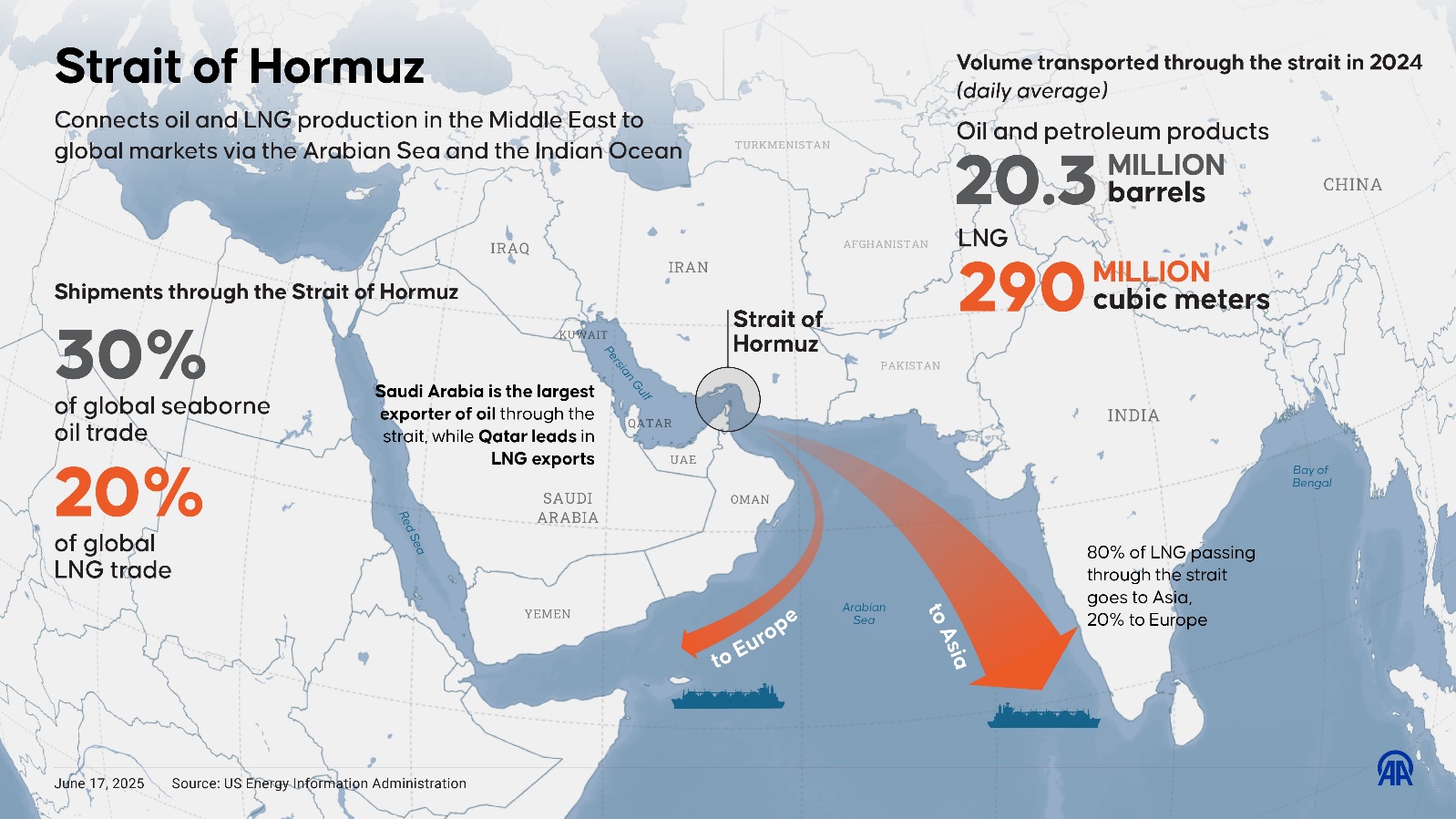
- The ongoing geopolitical tensions and conflicts in West Asia are usually associated with disruptions in oil and gas supplies. However, the impact of such conflicts extends far beyond the energy sector.
- West Asia is strategically located along major global shipping routes and serves as an important supplier of several raw materials essential for industrial production.
- As a result, instability in the region can affect global trade, increase transportation costs, and disrupt supply chains that support industries such as construction, fertilizers, metals, and manufacturing. Countries like India, which depend on imports for key industrial inputs, are particularly vulnerable to these disruptions.
Strategic Importance of West Asia in Global Trade
- West Asia plays a crucial role in global maritime trade due to its proximity to vital sea routes such as the Strait of Hormuz, through which a significant portion of the world’s oil and cargo shipments pass.
- Apart from petroleum products, many industrial raw materials and intermediate goods are transported through these routes. When conflicts escalate in this region, shipping companies face increased security risks, which may lead to delays, rerouting of vessels, or higher insurance premiums.
- These disruptions slow down global trade flows and increase the cost of transporting goods, thereby affecting industries that rely heavily on international supply chains.
Threat to India’s Critical Industrial Imports
- India imports several important raw materials from West Asian countries that are vital for its core industries. These include sulphur, gypsum, rock phosphate, and petrochemical products. Sulphur and rock phosphate are essential for the production of fertilizers, while gypsum is a key component used in cement manufacturing.
- Since a large share of these materials comes from West Asia, any disruption in supply due to regional conflict can directly affect industrial production in India. Shortages or delays in imports may force industries to seek alternative suppliers at higher costs, thereby increasing overall production expenses.
Impact on Fertilizer Industry and Agriculture
- The fertilizer industry is one of the sectors most vulnerable to disruptions in West Asian supply chains. Fertilizers are crucial for maintaining agricultural productivity, and many of their raw materials are imported from this region.
- If the supply of sulphur or rock phosphate is interrupted, fertilizer production may decline or become more expensive. This can increase the cost of agricultural inputs for farmers and potentially reduce crop yields. In the long term, such disruptions may also contribute to rising food prices and food security concerns.
Effect on Cement and Infrastructure Development 
- Cement manufacturing requires large quantities of gypsum, much of which is imported from West Asia. If geopolitical tensions disrupt these imports, cement production costs could rise significantly.
- Since cement is a fundamental material used in infrastructure projects such as highways, bridges, housing, and urban development, higher production costs may slow down construction activities. This could delay large infrastructure projects and increase the financial burden on both government and private developers.
Rising Shipping and Logistics Costs
- Conflict in West Asia can also lead to higher shipping and logistics costs. Shipping companies may avoid certain high-risk areas or take longer alternative routes, increasing fuel consumption and delivery times.
- Additionally, insurance premiums for cargo ships traveling through conflict zones may rise sharply. These additional costs are often passed on to manufacturers and consumers, leading to higher prices for industrial goods and construction materials.
Impact on Manufacturing and Industrial Production
- Manufacturing industries rely on a steady supply of raw materials and intermediate goods to maintain production. Disruptions in imports can cause delays in manufacturing processes, reduce output, and increase operational costs.
- Sectors such as steel, automobiles, chemicals, and electronics may face challenges if supply chains are interrupted. Over time, these disruptions can weaken industrial growth and reduce competitiveness in global markets.
Inflationary Pressures on the Economy
- As production costs increase due to higher import prices and shipping expenses, industries often pass these costs on to consumers. This can result in higher prices for construction materials, consumer goods, and infrastructure services.
- Such price increases contribute to inflationary pressures within the economy, which can slow economic growth and reduce purchasing power among consumers.
Need for Diversification and Strategic Planning
- To reduce vulnerability to geopolitical disruptions, countries like India must adopt strategies such as diversifying import sources, strengthening domestic production capabilities, and maintaining strategic reserves of critical raw materials.
- Encouraging domestic mining, developing alternative suppliers, and improving logistical infrastructure can help mitigate the impact of future conflicts on industrial supply chains.
Conclusion
- The conflict in West Asia highlights how geopolitical tensions can affect global industries far beyond the oil and gas sector. Disruptions in shipping routes and raw material supplies can impact fertilizer production, cement manufacturing, infrastructure development, and overall industrial growth.
- For countries dependent on imports, such conflicts underscore the importance of building resilient supply chains and adopting long-term strategies to ensure economic stability and sustainable industrial development.
UPSC CSE & State PCS Relevance
Prelims
- Trade Dependencies: West Asia imports (diamonds, sulfur); Strait of Hormuz.
- Policies: Atmanirbhar Bharat, PLI Scheme.
- Geography: Terai Arc (related to broader resource issues).
GS-1 (Society & Geography)
- Resource distribution; West Asia's role in global minerals.
GS-2 (Polity & Governance)
- India's foreign policy: Balancing West Asia ties; FTAs.
- International Relations: Conflict's global impact.
GS-3 (Economy & Infrastructure)
- Supply chain vulnerabilities; industrial sectors; food security.
- Economic Reforms: Diversification strategies.
Essay / Interview
- “Geopolitical Conflicts and India's Supply Chain Resilience.”
- “Beyond Oil: West Asia's Influence on India's Industrial Growth.”
MCQs
- Over what percentage of India's rough diamonds imports come from West Asia, as highlighted in the March 2026 conflict analysis? (a) 20% (b) 40% (c) 60% (d) 80% Answer: (b)
- Which strait is critical for India's mineral imports from West Asia and faces disruption risks due to the conflict? (a) Malacca Strait (b) Strait of Hormuz (c) Bab-el-Mandeb (d) Suez Canal Answer: (b)
- India's imports of sulfur from West Asia primarily affect which industry? (a) Electronics (b) Automobiles (c) Fertilizers (d) Textiles Answer: (c)
- What is the approximate annual value of India's sulfur imports from West Asia? (a) $100M (b) $420M (c) $800M (d) $1B Answer: (b)
Mains Questions
- “The West Asia conflict exposes India's vulnerabilities in non-oil imports from the region.” Discuss the affected sectors and suggest strategies for supply chain diversification. (15 marks / 250 words)
- Analyse the potential impact of disruptions in the Strait of Hormuz on India's construction and agriculture industries. (10 marks / 150 words)
- “Geopolitical risks necessitate a shift towards self-reliance in critical minerals.” Critically evaluate India's preparedness and recommend policy reforms in light of the 2026 West Asia crisis. (15 marks / 250 words)
- Essay (250 marks) “From Conflict Zones to Supply Chains: The Far-Reaching Impacts of West Asia Instability on India's Economy.”
CLICK HERE to download the PDF
